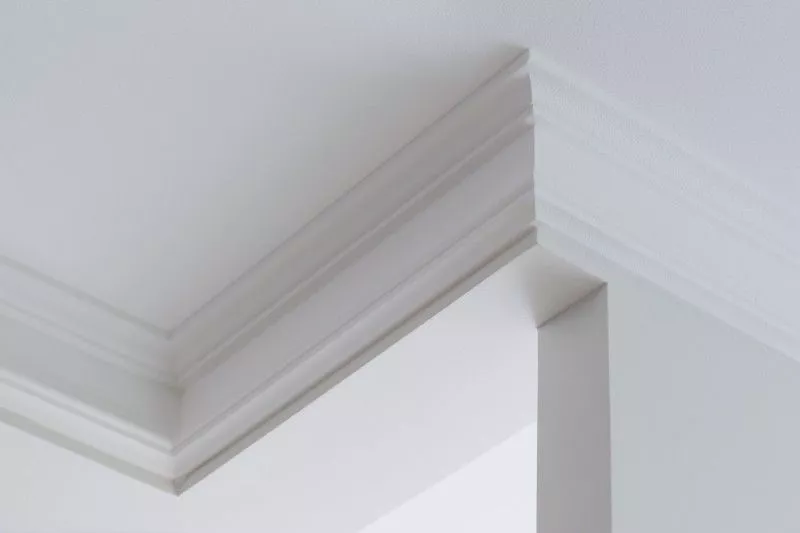
What Causes Damaged Cornice?
A cornice is the decorative feature where the wall meets the ceiling. It can be plain, detailed, modern, or period in style. In many older homes, plaster cornices, plaster coving, decorative plaster mouldings, decorative mouldings, and decorative cornices help create character and elegance. When a cornice is cracked, loose, missing in places, or stained, it can affect the whole room and make the property look tired.
Cornice damage can happen for many reasons. The most common causes include water leaks, structural movement, poor installation, temperature changes, physical impact, damp, age, and poor workmanship. In most cases, early cornice repairs can prevent more expensive restoration work later. A small problem can grow if cracks, gaps, moisture issues, or loose sections are left for too long.
Good cornice repairs are not only about filling cracks. The aim is to restore the original appearance, protect the ceiling and wall, and ensure the repaired sections blend seamlessly with the existing cornice designs. This is especially important in listed buildings, period properties, public buildings, private homes, rental properties, offices, and other residential and commercial properties where original detail has value.
Why Has My Cornice Cracked?
A cornice often cracks because the building moves over time. Older homes can settle as foundations shift slightly. This movement can place stress on the cornice, ceiling, and wall. Hairline cracks and minor cracks are often a sign of normal movement, but larger cracks may point to structural movement, subsidence, or wider structural problems.
Temperature changes can also cause cracks. When a house gets warm and then cools down, plaster, adhesive, timber, paint, and other materials expand and contract. This can lead to small cracks, gaps, or a loose bond between the cornice and the surface behind it. If the bond fails, the cornice may start to pull away from the ceiling or wall.
Water damage is another common source of cornice damage. Water leaks from a roof, bathroom, kitchen, flood or burst pipe can soak into plasterwork and weaken it. A burst pipe or serious water episode may leave water staining, mould, dampness, sagging, and damaged areas. Excessive moisture and moisture ingress can make traditional plaster soft, crumbly, or unsafe.
Poor installation is also a leading cause of damaged cornices. If the fitting was rushed, the adhesive was weak, or the sections were not aligned with precision, cracks and gaps can appear. Poor installation can also happen when modern cornices are fixed over old, dusty, damp, or uneven surfaces. In some cases, poor workmanship means the cornice was never secure from the start.
Common Causes for Cornice Damage
The causes of cornice damage can vary from one property to another. A period home in London may suffer because of age, damp, or building movement, while modern cornices in a newer house may suffer because of poor installation or accidental bumps. Understanding the cause is key before any cornice repairs are carried out.
Water leaks are one of the most serious causes. Leaks from roofs, pipes, windows, bathrooms, or other building work can reach the ceiling and damage the cornice. Moisture can create mould, soften plaster, stain paint, and weaken the layers beneath the surface. If water damage is not fixed, any repairs may fail because the area is still damp.
Structural movement can also cause cracks. This may be due to normal settling, subsidence, building work nearby, sustained vibrations, or changes in the structure of the house. Small cracks can be monitored, but deep cracks, wide gaps, or a cornice that has started to fall should be checked by an expert.
Physical impact is another cause. Accidental bumps during moving, decorating, DIY, or other building work can chip plaster, break decorative plaster, or tear away a damaged section. Even minor repairs need care when the profile includes fine detail, patterns, or older mould.
Age can also contribute to deterioration. Original plaster cornices can last for decades with care, but old materials may become brittle. Traditional plaster, lime, sand, cement, and fibrous plaster can all weaken if they have been affected by damp, vibration, heat, or previous repairs that used the wrong mix.
When Should You Worry About Cracks in a Cornice?
Not every crack means there is a major problem. Hairline cracks and small cracks are common in many homes. They may only need filler, light sanding, and paint. The area should be made smooth, clean, and tidy so the finish looks neat. These minor repairs are often straightforward when the damage is limited.
You should take cracks more seriously if they are growing, if the cornice feels loose, if there are gaps between the wall and ceiling, or if there is water staining. Cracks with mould, damp, sagging, or missing sections may mean the building has suffered water damage or movement. In these situations, it is important to assess the extent of the damage before any cornice repairs begin.
A professional can check whether the cornice is secure and advise on the best way to fix it. In some cases, the damaged section can be repaired by hand. In other cases, new sections need to be cast, fitted, and painted so they match existing cornice profiles. The right approach will depend on the size, location, materials, and complexity of the project.
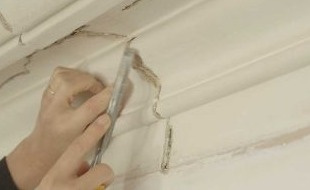
Need assistance finding coving and cornice repair near you?
Get a QuoteHow Water Damage Affects Cornice and Coving
Water damage can be one of the most harmful causes of cornice damage. Moisture can move through a ceiling, soak into plaster coving, and leave stains on the paint. If the moisture remains, mould can form and the plaster may become soft. Over time, this can lead to cracks, loose sections, missing sections, and a weakened bond.
Before cornice repairs are carried out, the leak must be fixed. If not, the same problem can return. A professional team should check the area, remove any compromised materials, allow it to dry, and then restore the damaged cornice. This helps ensure the repair has strength and durability.
For a flood, burst pipe, or serious leak, replacement may be needed if the original materials cannot be saved. However, skilled craftsmen can often replicate original coving, recreate the profile, and cast new sections so the design is retained. With enough patience and attention to detail, the replacement can match existing mouldings and restore the original character of the room.
Poor Installation and Poor Workmanship
Poor installation can shorten the life of a cornice. If the wall or ceiling was dusty, damp, uneven, or not prepared correctly, the adhesive may not hold. If sections were not lined up, the clean lines of the design may be lost. Poor workmanship can also create gaps that need repeated repairs.
Good installation takes time, care, and the right skills. The surface should be clean, dry, and secure. The cornice should be measured, cut, and fitted with precision. The joints should be filled and sanded so each section looks smooth. Ensuring clean lines is essential, especially when matching period design, Edwardian detail, or decorative plaster mouldings.
DIY cornice repairs can work for small cracks, chips, or paint touch ups, but more complex restoration usually needs specialists. This is because plaster mouldings, fibrous plaster, and traditional plaster require the right methods. A poor repair can leave visible joins, mismatched patterns, or an uneven finish.
How Professional Cornice Repairs Are Carried Out
Professional cornice repairs usually start with an inspection. The specialist will assess the cause, the extent of the damage, the type of plaster, and whether the cornice is secure. They may check for damp, leaks, loose areas, cracks, and missing sections. This helps them decide whether to repair, restore, replicate, or replace the damaged section.
For small cracks, the area may be cleaned, opened slightly, filled, sanded, and painted. For larger cracks, the repair may need reinforcement so the bond is stronger. If a section is missing, a mould can be taken from the existing cornice profile. New sections can then be cast using materials that match existing cornice designs.
In period properties and listed buildings, sympathetic cornice restoration is often important. The aim is to retain as much original plaster as possible. Where replacement is required, specialists can recreate original detail by hand. This approach helps protect heritage, character, and value while keeping the repair tidy and long lasting.
Cornice Restoration for Period and Listed Buildings
Cornice restoration is often more detailed than basic repairs. In listed buildings, conservation rules may apply, so the work should be carried out with care. Original materials may need to be retained where possible, and any new sections should match the original profile, design, and finish.
Traditional plaster cornices in older homes may include lime, sand, cement, and plaster. Some may also include fibrous plaster. These materials need a careful approach because they can be vulnerable to moisture, movement, and age. Using the wrong filler, adhesive, or paint can affect the final result.
Good cornice restoration can enhance the property while keeping its original appearance. It can also prevent further damage by making loose areas secure and addressing the cause of cracks. When carried out professionally, restoration can make the cornice look as though it has always been in place.
Modern Cornices and Traditional Plaster Cornices
Modern cornices are often made from lighter materials. They can be easy to fit and may suit newer homes, offices, and commercial properties. However, modern cornices can still suffer damage if there is poor installation, movement, impact, or water leaks.
Traditional plaster cornices usually offer more depth and detail. They are often found in period homes and listed buildings. They can last for many years when cared for, but they require the right repairs and restoration methods. The main aim is to match existing sections, protect the original detail, and ensure the finish is smooth.
Whether the cornice is modern or traditional, the same rule applies. The cause of the damage must be fixed first. If damp, movement, or leaks are ignored, the repairs may not last. A trusted professional can provide honest advice and explain whether repair or replacement is the better option.
Can Damaged Cornices Be Matched?
In many cases, damaged cornices can be matched. A skilled team can take a profile from the original cornice, create a mould, and cast new sections. This is useful when missing sections need to be replaced or when a damaged section has been removed.
The goal is to match existing detail, size, shape, and design. Good cornice repairs should not stand out. The new sections should blend with the existing mouldings, and the final paint finish should help the whole area look even. Attention to detail is essential because even a small difference in the profile can be noticeable.
Specialist cornice repairs are often needed when there are complex patterns, deep mould, or older plasterwork. With the right skills, materials, and methods, it is possible to restore the cornice while keeping the original character of the room.
How to Prevent Cornice Damage
There are several ways to prevent cornice damage. The most important step is to fix leaks quickly. Check roofs, pipes, bathrooms, and windows if you notice damp, mould, water staining, or peeling paint. Keeping moisture away from plaster helps protect the cornice and coving.
It is also wise to keep indoor temperature changes steady where possible. Sudden changes in temperature can cause materials to expand and contract. This can lead to cracks, gaps, and movement over time. Good ventilation can also help reduce moisture issues.
During decorating, DIY, or building work, protect the cornice from accidental bumps. Cover vulnerable areas and take care when moving furniture or ladders. If other building work is taking place, check afterwards for cracks, chips, loose sections, or new gaps.
Regular checks can also help. Look for small cracks, missing detail, loose plaster, mould, or signs that the cornice is pulling away from the wall or ceiling. Early repairs are usually quicker, cleaner, and less expensive than major restoration.
When to Choose Cornice Repair Services
You should consider cornice repair services if the damage is too large for basic DIY, if the cornice is loose, or if there are missing sections. You should also contact specialists if the property is listed, period, or has original coving that needs to be retained.
Professional cornice repair services can provide cornice repairs for private homes, landlords, rental properties, offices, public buildings, and commercial properties. A good company will explain the process, provide a free quote, and offer clear guidance before work starts.
For clients in London, Kent, and nearby areas, professional cornice repairs can help restore elegance and protect the property. Whether the project is a small fix or a full cornice restoration, the team should work with minimal disruption and leave the area clean.
What Affects the Cost of Cornice Repairs?
The cost of cornice repairs depends on several factors. These include the size of the area, the extent of the damage, the type of plaster, the complexity of the design, and whether new sections need to be cast. Missing sections, severe damage, or listed building work can take more time and care.
Small cracks and minor repairs usually cost less than full cornice restoration. However, leaving cracks, damp, or loose plaster for too long can make the job more expensive. Early repairs can help protect the home and give peace of mind.
A clear quote should explain the work required, the materials needed, and the likely result. If you are unsure, ask questions before the work begins. A trusted expert will be happy to advise and provide honest advice.
Causes of Damaged Cornice
Damaged cornice can be caused by leaks, damp, poor installation, age, temperature changes, physical impact, structural movement, and poor workmanship. Some cracks are minor, but others may be a sign of a bigger problem. The best approach is to address the cause, protect the building, and choose repairs that match the original design.
In this article: