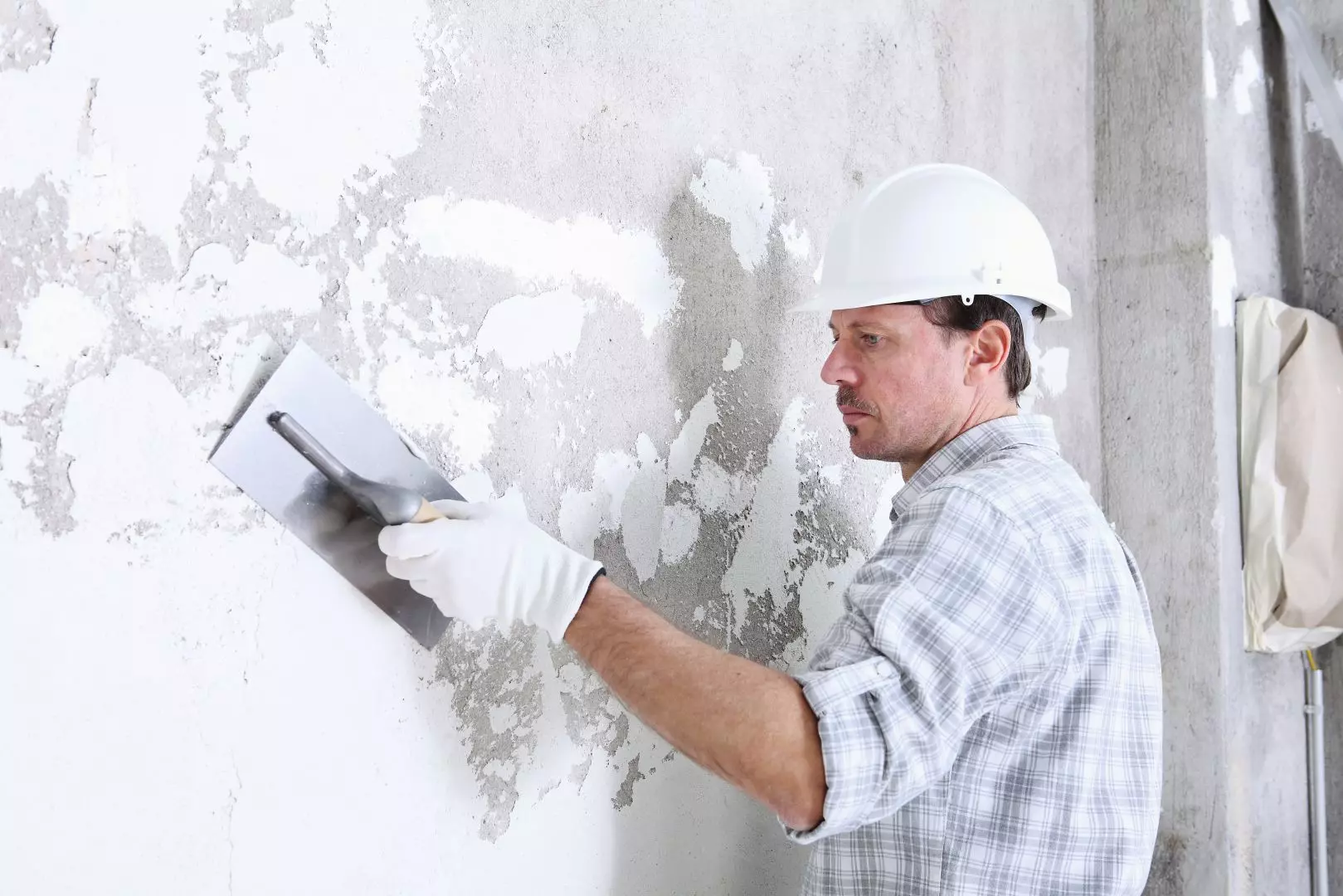
Why Hire a Professional for Coving or Cornice Repair
Coving and cornice repair can make a room look clean, finished, and full of character. Coving is the curved or shaped detail where the wall meets the ceiling, while a cornice is often larger and more decorative. In many older homes, a plaster cornice or plaster coving is an important part of the interior design. When these features are damaged, cracked, badly fitted, or missing sections, the whole property can look tired.
Many homeowners wonder whether coving repair, cornice repair, or coving installation is a DIY job. While small cracks may look easy to fill, plaster work needs care, patience, and the right tools. A professional plasterer can assess the damaged area, choose the right materials, and ensure the cornice or coving is repaired to a good standard. This can save time, money, and stress, especially in a period property with ornate mouldings, high ceilings, or intricate designs.
Is Coving a Plasterer’s Job?
Yes, coving is usually a plasterer’s job, especially when the coving is made from plaster. A plasterer has the skills needed to fit plaster coving, repair a plaster cornice, and restore damaged mouldings. This type of work requires careful measuring, straight lines, clean joints, and a smooth finish. It also needs a good understanding of how plaster behaves during installation, drying, sanding, and painting.
A professional can deal with plaster coving that has cracked, moved, or become loose over time. They can also repair a cornice that has chips, holes, gaps, or missing sections. If the cornice repair is not done well, the repaired section may stand out once paint is applied. A good plasterer will aim for a seamless match so the repaired cornice blends into the ceiling and wall.
Some people try fitting coving themselves, but poorly installed coving is easy to spot. The joints may not line up, the corners may not meet, and the finish may look uneven. Poorly installed coving can also leave gaps between the wall and ceiling, which may require more filler, sanding, and paint later. A professional will know how to avoid these costly mistakes.
>Why Professional Cornice Repair Gives Better Results
Professional cornice repair services are often the best choice when the work needs to look neat and last for years. A cornice can be plain, detailed, large, or delicate, and each style may require a different repair method. An experienced specialist can determine whether the damaged cornice should be repaired in place, partly removed, or matched with a replacement section.
When a plaster cornice is repaired by someone with good experience, the results are usually cleaner and more durable. The plaster must be shaped, fixed, sealed, and finished with care. If the wrong materials are used, the repaired area may crack again. If the wrong tools are used, the detail may be lost. A professional has the right tools, the right materials, and the skills to complete the job with precision.
Cornice repair also needs attention to the age and style of the property. A Victorian house, for example, may have period features that deserve careful repair rather than a quick cover-up. A professional can restore the character of the cornice, match the design, and help the room keep its original charm. This is especially important in a London property, a detached house, or any home where the plaster detail adds value.
The Problems With DIY Coving and Cornice Repair
DIY coving repair can seem like an easy way to save money, but it can become frustrating very quickly. Measuring, cutting, installing, and finishing coving all require accuracy. Even a small mistake can leave the coving looking uneven. If the coving is not fitted straight, the eye will notice it every time someone enters the room.
DIY cornice repair can be even harder. A cornice may have curves, mouldings, and detail that need to be copied exactly. If the repaired part does not match, the difference can be clear once the ceiling and wall are painted. The job may then need to be repaired again by a professional, which can make the project more expensive than hiring a plasterer from the start.
Another problem with DIY work is dust. Sanding plaster, cutting coving, and cleaning old joints can create mess around the site. Without the correct equipment, the dust can spread across the room and into other parts of the home. A professional will plan the work, protect the area, and carry out cleaning at the end of the job.
DIY work can also take a long time. Installing coving, fitting coving around corners, filling gaps, sanding joints, and applying paint may take more than one day, especially if the room is large or the ceiling is high. A professional can complete the work more efficiently because they have the tools, materials, and experience needed for the job.
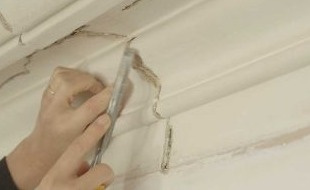
Need assistance finding coving and cornice repair near you?
Get a QuoteCommon Signs That Coving or Cornice Needs Repair
There are several signs that coving or a cornice may need attention. Minor cracks, small cracks, chips, holes, loose pieces, and gaps are all common problems. General wear can also make plaster coving and plaster cornice look old or untidy. In some cases, parts of the cornice may have been damaged by water, movement, poor installation, or previous repair work.
If the coving has pulled away from the wall or ceiling, it should be repaired before the damage becomes worse. If pieces of the cornice are missing, a specialist may need to create a new section that matches the original design. If joints have opened up, the area may need to be cleaned, filled, sanded, sealed, and painted. These steps help ensure the repaired coving or repaired cornice looks complete.
It is also worth getting advice if you are unsure about the condition of your plaster. A professional can assess the damage and explain whether a simple repair is enough or whether a larger section needs to be removed and repaired. This helps you plan the work, understand the likely cost, and set a realistic budget.
Why the Right Materials Matter
Using the right materials is one of the most important parts of cornice repair and coving installation. Plaster, adhesives, filler, sealant, and paint all need to be suitable for the surface and the age of the property. If modern materials are used in the wrong way on old plaster, the repaired area may not last.
A professional will choose materials that suit the cornice, coving, ceiling, and wall. They will also understand when a plaster repair is better than a quick surface fill. This matters because the repaired section should be strong, smooth, and ready for paint. The aim is not just to hide cracks for the moment, but to restore the feature properly.
Good materials also help with longevity. A repaired plaster cornice or repaired plaster coving should not start to crack again soon after the job is finished. When the right materials are used with the right techniques, the work has a better chance of staying in good condition for many years.
Why the Right Tools and Skills Are Needed
Cornice repair and coving installation require more than basic tools. A plasterer may use measuring tools, cutting tools, moulding tools, sandpaper, adhesives, plaster, and finishing equipment. These tools help them cut, shape, fit, and finish the coving or cornice with care.
The right tools are especially important when installing coving around corners or working on high ceilings. High ceilings can make access difficult, and the work must still be done safely and neatly. A builder may be able to help with some parts of a room project, but a plaster specialist is usually the better choice for detailed plaster cornice repair.
Skills also matter because plaster work is not just about filling a gap. The plaster must be shaped, smoothed, and blended into the existing mouldings. A professional knows how much material to use, when to cut, when to sand, and when to leave the plaster to set. This level of care helps create a flawless finish.
The Importance of Matching Existing Cornice and Coving
Matching an existing cornice can be one of the hardest parts of the job. Older properties often have plaster mouldings that are no longer easy to buy. A professional may need to take pictures, make a mould, or shape new plaster by hand so the repaired part matches the original design.
This is where experience makes a great difference. A specialist can look at the size, shape, and style of the cornice and determine the best way to repair it. They can also recommend whether a small section should be repaired or whether a longer piece should be replaced for a better finish.
Good matching is important because a cornice is often placed where the ceiling and wall meet, which means it is very visible. If the new piece is too large, too small, or the wrong style, the repaired area will not look right. A professional will take the time needed to ensure the repaired cornice looks natural and fitted correctly.
Why Installation Quality Makes a Big Difference
Coving installation must be done carefully from the start. If coving is badly measured, poorly cut, or fitted with weak adhesives, it may come loose or leave visible gaps. Installing coving also requires straight lines and clean corners, especially in a room where the walls are not perfectly even.
A professional will plan the installation before work begins. They will check the ceiling, wall, and room size, then decide the ideal coving style and installation method. This makes the finished result look more balanced and helps the coving add character without looking out of place.
When a plasterer is installing coving, they can also deal with uneven surfaces. Many older properties have walls and ceilings that are not straight. A professional has the skills to fit plaster coving neatly even when the building itself is not perfect. This is one reason why a professional installation often looks better than DIY installing.
How a Professional Helps You Avoid Costly Mistakes
Hiring a professional can help you avoid costly mistakes during cornice repair, coving repair, or coving installation. Common mistakes include using the wrong adhesives, cutting the coving at the wrong angle, leaving gaps at the joints, applying too much filler, and sanding away important detail.
These mistakes can lead to more work, more materials, and a higher final price. In some cases, damaged coving or a damaged cornice must be removed and repaired again. A professional can help prevent this by taking care at every stage of the process.
A good plasterer will also provide advice before the job starts. They can explain what needs to be repaired, what materials are included, how long the work may take, and what you should expect at the end. This helps you make a clear plan and feel happy with the project before it begins.
How Much Does Hiring a Plasterer Cost in the UK?
The cost of hiring a plasterer in the UK can vary depending on the size of the room, the condition of the plaster, the amount of detail, and the location of the property. A small cornice repair or coving repair may cost less than a full installation, while a large plaster cornice with intricate designs may require more labour and materials.
For a small room, the price may be lower if only a couple of cracks or gaps need to be repaired. For larger rooms, high ceilings, or detailed Victorian cornice work, the cost can be higher because the job takes more time and care. London prices may also be more expensive than some other areas because labour and access costs can be higher.
It is a good idea to get more than one quote before you hire a plasterer. A clear quote should include the work needed, the materials, the expected timeline, and any cleaning that is included. You can also discuss your budget and ask whether repair, replacement, or a complete new coving installation is the best choice.
In this article: