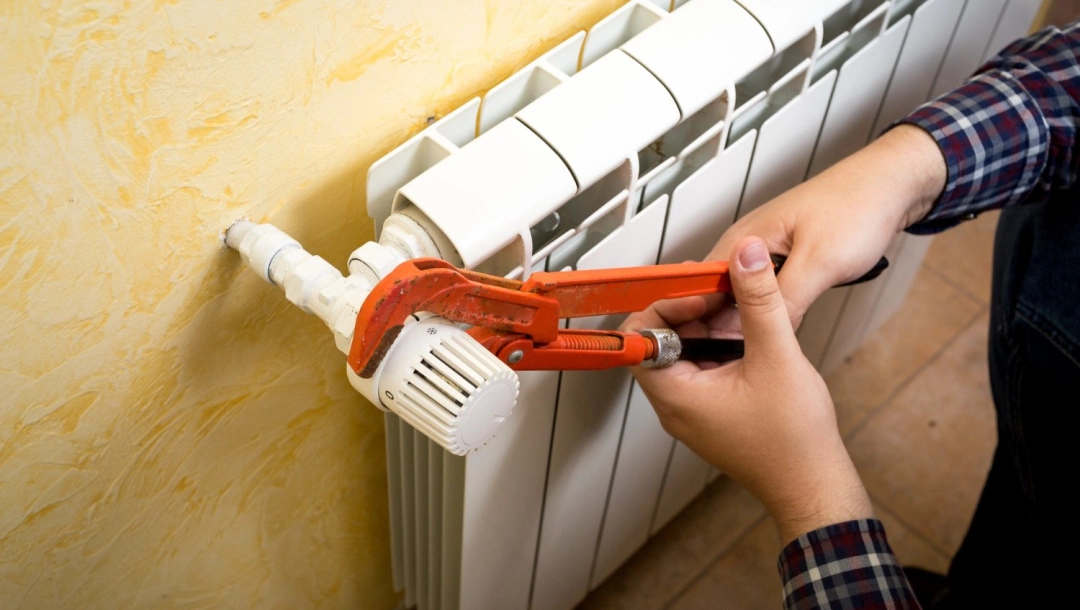
Emergency Central Heating Repairs - What You Need to Know
When your central heating system fails, the effects can be immediate and uncomfortable. In the middle of winter, even a few hours without heat can make your home unpleasantly cold, and the problem is not just about comfort. Prolonged exposure to cold temperatures can be harmful to health, particularly for vulnerable groups such as older people, babies, or those with certain medical conditions.
Emergency central heating repairs aim to restore your heating system quickly so that your home is safe and comfortable again. They are handled by qualified engineers who can diagnose and repair problems efficiently, often on the same day. The faster you arrange help, the less chance there is for the problem to cause further damage or to create additional costs.
This guide explains the main problems that may require urgent attention, why speed matters in fixing them, how the repair process works, and how you can reduce the risk of needing an emergency call-out. Being informed will help you act quickly and effectively if you ever find yourself without heat or hot water.
While no one wants to deal with a heating failure, knowing the process in advance can make it less stressful. Whether you live in a detached house, a flat, or a terraced property, the steps you take when your system fails can make a big difference to the outcome and the cost of repairs.
Common Problems That Require an Emergency Heating Repair
Central heating systems are built to be dependable, but like all equipment, they can break down. Some issues develop gradually and give warning signs, while others happen suddenly. Certain problems require immediate attention, either because they pose a safety risk or because they can leave you without essential heating and hot water.
No Heat or Hot Water
One of the clearest signs of a serious problem is when your system stops producing heat or hot water. This can be caused by a broken thermostat, faulty motorised valves, a pump that has failed, or a problem with the boiler itself. The fault could also be related to the electrical controls or wiring. For households with elderly residents or young children, this situation can quickly become critical.
Sometimes, the cause is as simple as a pressure drop in the boiler, which can be fixed by topping it up. However, without knowing the exact reason for the failure, it is best to call a qualified engineer rather than attempt repairs yourself, as doing so without training can cause further damage or create safety risks.
Leaking Boiler or Pipework
Leaks can be especially damaging because they can cause both property damage and system failure. Water escaping from the boiler or pipework can damage walls, ceilings, and floors. If it reaches electrical wiring, it can create a serious hazard. Leaks also reduce system pressure, which means your heating will not work as effectively and may stop completely.
Even small leaks should be treated as urgent. Switching off the water supply and calling an engineer immediately can limit damage and make repairs simpler. Waiting could mean dealing with structural repairs as well as heating system repairs.
Strange Noises from the System
A healthy central heating system runs quietly. If you start hearing banging, clanking, or gurgling noises, it is a sign that something is wrong. The cause could be trapped air, a build-up of limescale, or a mechanical part beginning to fail. Ignoring these sounds can lead to more severe problems, such as a pump breaking down or a boiler overheating.
Addressing these noises early often means a smaller, less expensive repair. For example, bleeding the radiators may fix gurgling, but persistent noises should be checked by a professional to rule out more serious faults.
Gas or Carbon Monoxide Leaks
Gas leaks are extremely dangerous as they can lead to fire or explosion, while carbon monoxide is a deadly gas that cannot be seen or smelled. If you suspect a gas leak or your carbon monoxide alarm sounds, you must act immediately. Turn off your system, leave the property, and call the emergency services before contacting an engineer.
Having a carbon monoxide alarm fitted in your home is essential. It can alert you to problems before they become life-threatening, giving you time to evacuate and get help.
Need assistance finding central heating repairs near you?
Get a QuoteWhy Speed Is Critical in Emergency Heating Repairs
Acting quickly in a heating emergency can make the difference between a straightforward repair and a major replacement. Problems left unchecked can put additional strain on other components, leading to more parts failing and increasing the cost and time needed for repairs.
During cold weather, delays can also lead to frozen pipes. If these burst, they can cause significant water damage to your property. This not only adds to the repair bill but can also make parts of your home unusable until the damage is fixed. In some cases, water damage can take weeks to fully repair.
Speed also matters because the demand for heating engineers is much higher in winter. By calling as soon as you notice a fault, you reduce the risk of waiting days for an appointment. Engineers often prioritise emergency cases, but availability is always better the sooner you call.
Finally, acting quickly helps protect your health. Cold homes can cause respiratory illnesses and increase the risk of hypothermia for vulnerable individuals. It also reduces the chances of damp and mould developing, which can have long-term effects on health and property.
How Emergency Heating Repairs Are Carried Out
The first step in an emergency repair is to contact a trusted heating engineer. When you call, explain the problem in as much detail as possible. This includes describing any unusual noises, leaks, smells, or changes in how the system works. Giving accurate information helps the engineer prepare for the job before they arrive.
When the engineer arrives, they will carry out a full inspection of the boiler, thermostat, controls, and pipework. They may also check radiators and pumps, and use diagnostic tools to pinpoint the fault. The goal is to find the cause quickly so that repairs can begin immediately.
Where possible, repairs are completed on the spot. This may involve replacing a broken part, repairing pipework, bleeding radiators, or adjusting settings. If a specialist part needs to be ordered, the engineer may install a temporary fix so you are not left without heat while you wait.
After repairs are completed, the engineer will test the system to make sure it is running safely and efficiently. They may also provide maintenance tips to help avoid similar problems in the future. In some cases, they might advise replacing an older boiler entirely if it is no longer cost-effective to repair.
How to Minimise the Risk of Needing Emergency Repairs
Some heating problems occur without warning, but many can be avoided with proper care and maintenance. Following a few key steps can greatly reduce the chance of your system failing unexpectedly.
Book Regular Servicing
Having your boiler and heating system serviced once a year by a qualified engineer ensures that small problems are found before they become serious. A service will check safety systems, clean essential parts, and confirm the system is running efficiently, which can also save on energy bills.
Check Your System Before Winter
Testing your heating in early autumn ensures you have time to deal with any faults before the weather gets cold. This helps you avoid long waits for engineers during the busiest time of year. Simply switching on your heating for a couple of hours and checking that all radiators are warming evenly can highlight potential problems.
Bleed Radiators and Monitor Pressure
Trapped air in radiators can cause uneven heating and strain on your boiler. Bleeding them once or twice a year can improve efficiency and comfort. Keeping an eye on boiler pressure and topping it up when necessary also helps prevent avoidable breakdowns.
If you notice you need to top up the pressure frequently, it could be a sign of a leak or another issue that should be checked by a professional before it leads to a complete breakdown.
In this article: