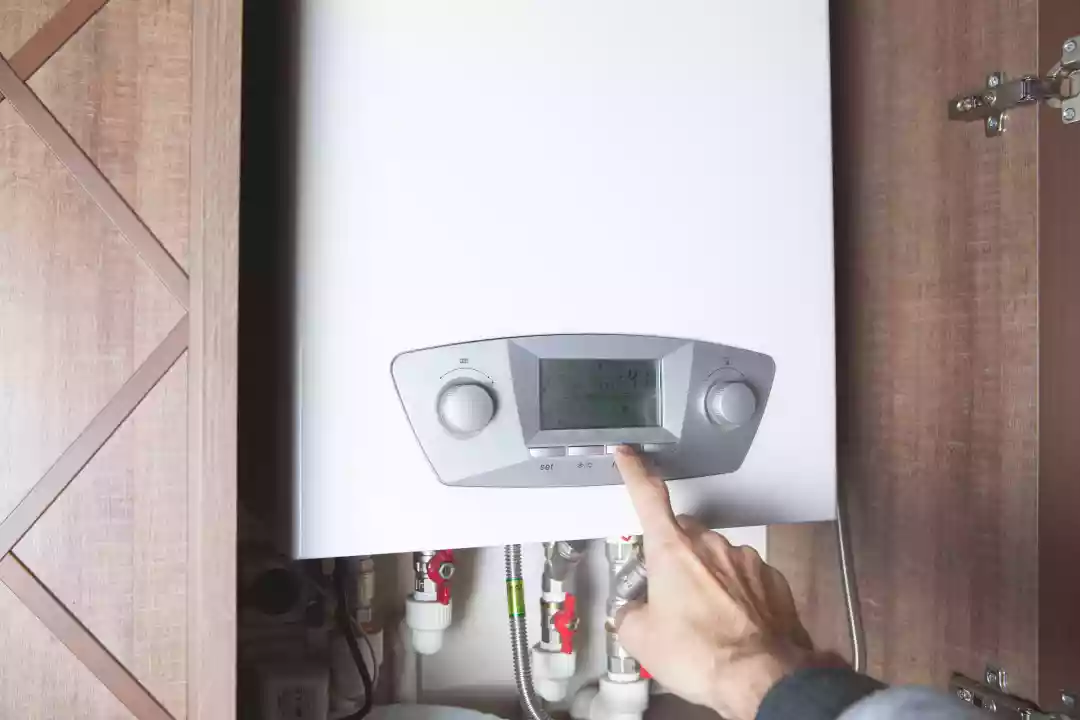
Signs Your Central Heating System Needs Urgent Repairs
Your central heating system is one of the most important parts of your home, especially during the colder months of the year when you rely on it to provide warmth and comfort. It works quietly in the background, ensuring that every room maintains a comfortable temperature, and that you can enjoy hot water for baths, showers and household chores. However, like any mechanical system, it is not immune to wear and tear. Over time, parts may degrade, components may fail, and small faults can begin to appear.
It is essential to recognise when your system is struggling so that you can arrange central heating repairs before it fails completely. Ignoring early warning signs often results in more extensive damage, longer downtime and higher expenses. Acting quickly not only protects your comfort but also safeguards your health and the safety of your home. A faulty system can present risks such as water leaks, gas leaks, or even carbon monoxide poisoning, all of which can have serious consequences if left unresolved.
Being aware of the warning signs and understanding when to call for professional help is vital. This guide explains the key symptoms to watch for, the potential consequences of neglecting them, and how regular maintenance can help you avoid costly emergencies. The more you know about how your system works and the problems it can face, the better equipped you will be to keep it running efficiently and safely throughout the year.
Warning Signs Your Central Heating System Needs Repair
Central heating systems often give clear signals when something is not right. By paying attention to these signs, you can arrange repairs before the situation worsens. Some problems might seem minor at first, but they can lead to severe breakdowns if ignored, leaving you without heat when you need it most.
Unusual Noises
Heating systems should operate quietly most of the time. If you start hearing unusual noises such as banging, whistling, clanking or gurgling, it may be a sign of trouble. These sounds can occur for a variety of reasons. Banging or clunking may be caused by trapped air in the system, loose components or a build-up of sludge in the pipes. Whistling noises could indicate that your boiler is kettling, which happens when limescale builds up on the heat exchanger and restricts water flow. Gurgling often points to air pockets in the system that need to be removed. Leaving these noises unresolved can result in more severe damage to your boiler’s internal parts.
Uneven Heating
If some rooms in your home feel comfortably warm while others remain cold, it can indicate a circulation issue. This may be due to air trapped in radiators, blocked pipes, or sludge that has built up over time. A faulty pump can also lead to uneven heating as it struggles to move hot water around the system. While this might seem like a minor inconvenience at first, poor circulation can force your boiler to work harder, using more energy and increasing wear on parts. Over time, this can shorten the lifespan of your heating equipment and lead to more expensive repairs.
Frequent Pilot Light or Boiler Failures
When your boiler frequently shuts down or the pilot light keeps going out, it is a clear sign that something is wrong. Potential causes include a faulty thermocouple, problems with the gas supply, ignition issues or electrical faults. A boiler that continually fails to start is not only inconvenient but could also pose safety risks, especially if the cause relates to a gas leak or faulty electrical components. If your boiler is modern, it may display an error code to help a professional diagnose the problem quickly. Repeated shutdowns should always be investigated without delay.
Rising Energy Bills
If your heating bills are noticeably higher despite your usage staying the same, it could mean your central heating system is working harder than it should. Inefficiencies can result from dirty components, blockages, worn parts or outdated equipment. Not only will this cost you more each month, but the added strain on your system can lead to more frequent breakdowns. Spotting these changes early can help you avoid more serious issues in the future.
Need assistance finding central heating repairs near you?
Get a QuoteHow Ignoring Central Heating Problems Can Lead to Bigger Issues
Postponing central heating repairs can quickly turn a manageable fault into a major problem. A small leak, for example, can grow over time, damaging floors, walls and even structural elements of your property. Untreated limescale build-up in your boiler can damage the heat exchanger, one of the most expensive parts to replace. In severe cases, a replacement boiler might be the only solution, which is far more costly than a repair would have been. Even a minor fault can cause significant disruption if it develops into a larger issue during the coldest months of the year.
One of the most serious risks of ignoring boiler faults is the potential for carbon monoxide leaks. This dangerous gas is colourless and odourless, making it hard to detect without a proper alarm. Exposure can lead to serious illness or even be fatal. Ensuring your boiler is serviced regularly and that any faults are addressed immediately is essential for your safety. The peace of mind that comes from knowing your system is safe is well worth the small investment in repairs or maintenance.
Even seemingly minor problems like uneven heating can cause your boiler to overwork. Over time, this can reduce its lifespan and lead to more frequent breakdowns. A system under strain can create a domino effect, where one failing part causes another to fail sooner than expected. Addressing problems when they arise keeps your system efficient and your home comfortable.
When to Call a Central Heating Engineer Immediately
Some problems should be treated as urgent and dealt with right away. If you smell gas in your home, turn off the supply immediately and call a professional. Gas leaks are extremely dangerous and can lead to fires, explosions or poisoning. This is not a situation where you should delay or attempt a DIY fix under any circumstances.
Other situations that require immediate attention include visible water leaks from your boiler or radiators, rapid drops in system pressure, or a complete heating failure during cold weather. These issues can cause significant damage to your property and leave you without heat or hot water when you need them most. In freezing conditions, a lack of heating can also result in frozen pipes, which may burst and flood your home. Quick intervention can save you from costly repairs to both your heating system and your property.
By contacting a central heating engineer at the first sign of trouble, you can often prevent further damage, restore warmth to your home quickly, and save money in the long term. Fast action is especially important if the weather is extremely cold or if you have vulnerable individuals in your household who rely on consistent heating.
Preventing Central Heating Emergencies Through Regular Maintenance
Prevention is always better than cure when it comes to central heating systems. With regular maintenance, you can spot and fix small problems before they lead to a breakdown. A well-maintained system runs more efficiently, uses less energy and lasts longer, which can save you considerable money over the years. Good upkeep also ensures your heating operates safely, giving you peace of mind during winter.
Annual Servicing
Booking an annual service with a qualified engineer is one of the most effective ways to keep your central heating in top condition. During the service, the engineer will check all major components, clean the system where necessary, and ensure everything is running safely. They will also test safety devices and controls to make sure they are functioning correctly. Regular servicing can extend the lifespan of your boiler and often keeps your manufacturer’s warranty valid.
Bleeding and Balancing Radiators
Over time, air can become trapped in radiators, reducing their efficiency. Bleeding your radiators releases this air, allowing hot water to flow freely. Balancing radiators ensures that heat is distributed evenly across your home, preventing some rooms from being much warmer or colder than others. These small maintenance tasks can make a big difference to both comfort and efficiency.
Checking System Pressure
Maintaining the correct water pressure is vital for your heating system’s performance. Low pressure can mean there is a leak or that air has entered the system, while high pressure can put unnecessary strain on the boiler and pipework. Regularly checking and adjusting the pressure helps to prevent problems before they develop. Some homeowners also choose to install magnetic filters, which trap sludge and debris, keeping the water in the system cleaner and helping to protect the boiler.
By following these steps and staying alert to warning signs, you can keep your central heating system running smoothly, avoid costly repairs, and ensure your home remains warm and comfortable throughout the year.
In this article: