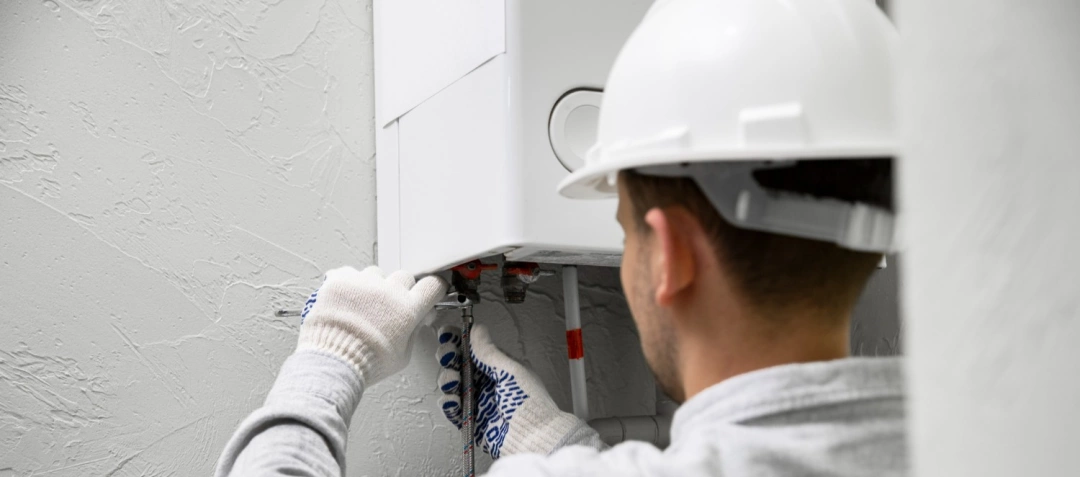
Understanding Central Heating Warranties and Repair Coverage
Central heating plays a vital role in keeping a home warm and comfortable during the colder months. In the UK, where temperatures can drop sharply in winter, having a working heating system is not just about comfort but also about safety and health. A breakdown in the middle of a cold spell can be stressful and costly, especially if it happens without warning. This is why many homeowners choose to take out a central heating warranty, as it can offer financial protection and reduce the worry of unexpected expenses.
A central heating warranty is essentially a service agreement between the homeowner and the warranty provider. In exchange for a monthly or annual fee, the provider agrees to repair or replace certain parts of your heating system if they fail. These warranties can vary widely in what they cover, the length of protection, and the conditions you must meet for the cover to remain valid. Understanding the details of your policy before you need to use it is crucial to avoiding unpleasant surprises later.
While some people rely on savings to cover the cost of repairs, others prefer the predictability and convenience of a warranty. A well-chosen warranty can give peace of mind that help is just a phone call away if your heating fails. However, not all warranties are the same. Some are highly comprehensive, while others offer only basic cover. Knowing exactly what you are buying and how it works will help you choose a plan that meets your needs and fits your budget.
Types of Central Heating Warranties Available
There are several types of central heating warranties on the market, each designed to suit different systems, budgets, and levels of risk tolerance. Whether you have a new boiler or an older one, there is usually a type of cover available, although eligibility requirements can differ. Below are the main types you might encounter when exploring your options.
Manufacturer’s Warranty
When you purchase a new boiler or central heating system, it will usually come with a manufacturer’s warranty. This is included in the price and typically lasts between one and five years, although some premium models may offer longer periods. A manufacturer’s warranty covers faults caused by defects in the materials or workmanship. If your boiler fails during this time due to such a defect, the manufacturer will arrange for it to be repaired or replaced without charge. However, you must follow their terms, which often include having the system serviced annually by a qualified engineer.
Extended Warranty
An extended warranty allows you to prolong the cover after the manufacturer’s warranty expires. This can be bought from the manufacturer or from third-party providers. Extended warranties often mirror the benefits of the original cover but may also include additional features such as quicker response times, priority call-outs during peak winter months, or coverage for more components. They can be a good choice for newer boilers that are still in good condition but are no longer covered by the original plan.
Home Emergency Cover
Home emergency cover is often sold as an optional extra with home insurance policies or as a stand-alone plan. This type of cover focuses on urgent repairs to keep your home safe and habitable. It usually includes central heating repairs, as well as plumbing emergencies, electrical failures, and sometimes even pest control. It provides a single point of contact for multiple types of household emergencies. However, claim limits may apply, and some plans only allow a certain number of call-outs per year.
Full Central Heating Cover
Full central heating cover is the most comprehensive option available. It covers a wide range of components, including the boiler, radiators, pipework, hot water cylinder, and sometimes even the controls and thermostat. Many of these plans also include an annual service, which can help maintain efficiency and spot problems early. For households that rely heavily on their heating system, this type of cover offers strong protection against both small faults and major breakdowns.
Need assistance finding central heating repairs near you?
Get a QuoteTypical Inclusions and Exclusions in Central Heating Cover
Central heating cover can provide a safety net against the cost of repairs, but it is important to be aware of what is and is not included. Most plans share certain common features, but the fine print can vary from one provider to another.
Typical inclusions in central heating warranties are repairs to the boiler and essential system components. This might involve replacing faulty valves, pumps, fans, or sensors. Labour and parts are usually covered, meaning you will not have to pay extra if the repair falls within your cover. Many plans also offer an annual boiler service, which not only helps keep the warranty valid but also ensures the system runs efficiently and safely.
However, there are also standard exclusions. Damage caused by neglect, poor maintenance, or incorrect installation is rarely covered. Accidental damage, such as frozen pipes bursting because the heating was turned off for long periods, may also be excluded. Wear and tear is a grey area: while some parts that fail from use may be replaced, others may not. External components, like flues and outside pipework, might be excluded unless you have a more comprehensive plan.
Pre-existing faults are another common exclusion. If your boiler already has a known problem before you take out the cover, the provider is unlikely to pay for the repair. Some plans also have age limits, meaning older boilers above a certain age will either not be accepted or will have reduced cover. Reading your policy in full is the best way to understand exactly where you stand before you need to make a claim.
How Repair Coverage Works in Practice
Understanding how a warranty works when you need a repair can help you act quickly and avoid unnecessary delays. The process generally starts with contacting your warranty provider as soon as you notice a problem. Many providers offer 24-hour helplines or online claim forms. You will usually need to provide details such as the make and model of your boiler, the symptoms of the fault, and when it started.
Once the claim is logged, the provider will send an approved engineer to your property. This engineer will assess the problem and confirm whether it is covered by your warranty. If it is, they will carry out the repair, often on the same day if parts are available. If parts need to be ordered, a second visit will be arranged. For covered repairs, there is normally no charge for labour or materials, although some plans may have an excess fee per claim.
If the fault is not covered, the engineer may still be able to complete the work for a private fee. Some providers offer discounted rates for non-covered repairs. Acting promptly and keeping your system well-maintained can improve the chances of straightforward repairs and avoidable issues being spotted early.
Tips for Choosing and Using Central Heating Warranty Cover
Selecting the right central heating cover requires a balance between cost, coverage, and your system’s needs. The right plan can save you time and money in the long run, while the wrong one can leave you paying for repairs you thought were included.
Check the Level of Cover
Do not choose a plan based only on the price. A very low-cost policy might exclude important components or limit the number of call-outs you can make. Compare what is included in different plans and consider whether you would be able to cover the cost of any exclusions yourself if necessary.
Consider the Age and Condition of Your System
Older systems may need more repairs and may not qualify for all types of cover. Newer systems are less likely to break down but repairs can still be expensive. Match your cover to your system’s age, history, and expected lifespan. If your boiler is approaching the end of its useful life, it might be better to start saving for a replacement instead of paying for an expensive warranty.
Keep Up with Maintenance
Most warranties require annual servicing to stay valid. Arrange your service at a convenient time each year and keep all receipts and service reports in a safe place. Regular maintenance also helps spot problems early, reducing the risk of major breakdowns and improving your system’s efficiency, which can save you money on energy bills.
In this article: