How Long Do Central Heating Repairs Usually Take?
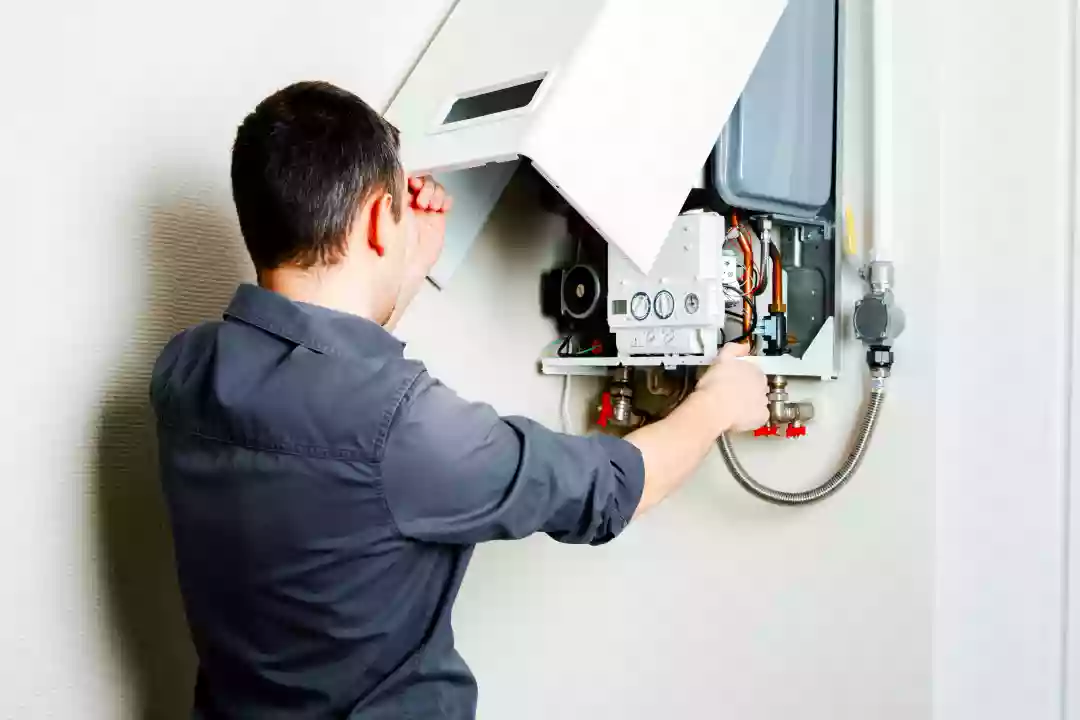
Central heating repairs are an essential part of keeping your home comfortable and safe, particularly during the colder months of the year. These repairs can range from simple fixes that take less than an hour to complex issues that require several days of work. Understanding the time frames for different repairs can help you plan ahead, make informed decisions, and avoid unnecessary stress when your heating system stops working.
Many people are caught off guard when their heating system breaks down, and without a clear idea of how long repairs might take, it can be difficult to manage expectations. Whether you are dealing with a minor fault or a major failure, having an overview of possible time frames can be very helpful. This knowledge is especially important if you rely heavily on your heating for warmth and hot water during the winter months.
While some central heating repairs are straightforward, others may involve ordering specialist parts, carrying out safety checks, or even replacing large components entirely. Factors such as the type of system you have, the skill of the engineer, and the availability of parts can all affect how long it takes to get your heating back up and running. By understanding these details, you can make better choices about whether to request an urgent repair or schedule a standard appointment.
Common Types of Central Heating Repairs and How Long They Take
Central heating systems can develop a wide variety of issues, each requiring different repair approaches. The time needed will depend on the complexity of the problem, the ease of access to the affected part, and whether replacement parts are readily available. Below are some of the most common repair types and an estimate of how long they may take to complete.
Boiler Pressure Problems
Low boiler pressure is one of the most frequent issues homeowners face. The good news is that it is often quick to fix. An engineer will usually begin by checking the pressure gauge, looking for visible leaks in the system, and making sure the pressure release valve is working properly. Repressurising the system can take as little as 30 minutes if no leaks are found. However, if there is a leak in the pipework or inside the boiler, repair times can increase significantly, potentially taking a few hours rather than minutes.
It is worth noting that pressure problems can sometimes point to larger faults, such as a faulty expansion vessel. In such cases, additional time will be needed to replace the part and refill the system, often turning a short job into a longer repair.
Radiator Issues
Radiators that fail to heat up evenly often have air trapped inside them. Bleeding a radiator is a simple fix that usually takes less than 20 minutes per radiator. The engineer will release the trapped air, check for leaks, and ensure the system pressure is correct before finishing the job. However, if the problem is due to sludge or rust build-up inside the radiators, a more involved repair called a power flush might be necessary.
Power flushing is a thorough cleaning process that pushes water and cleaning chemicals through the system at high pressure. This can take anywhere from three to six hours depending on the number of radiators in your home and the level of debris present. While it is time-consuming, it can greatly improve heating efficiency and extend the life of your system.
Faulty Thermostats
Thermostats are a key part of your heating system, controlling the temperature and ensuring your home stays comfortable. If your thermostat is broken or not working correctly, your heating might not turn on at the right times or could overheat your home. Replacing a thermostat is usually straightforward, taking one to two hours for a basic model. More advanced or smart thermostats may take longer to install as they may require additional wiring or software setup.
In some cases, the engineer may also need to test the system’s wiring and control circuits to ensure there are no other faults, which can add extra time to the repair.
Need assistance finding central heating repairs near you?
Get a QuoteKey Factors That Affect Repair Times
Several factors can influence how long it takes to repair your central heating. The first and most obvious is the type and severity of the problem. Simple issues like a small leak or trapped air can be fixed quickly, whereas major faults involving the boiler or pipework will take much longer.
Part availability is another important factor. If the engineer has the necessary parts on hand, repairs can often be completed in one visit. However, if a specific component needs to be ordered, especially for older or less common systems, it could take days or even weeks for the part to arrive. This is particularly true during the winter when demand for heating repairs is at its highest.
The age and condition of your heating system can also affect repair times. Older systems are often more complex to work on, and parts may no longer be produced by the manufacturer. In such cases, the engineer might need to find compatible replacements or modify the installation, which adds extra time.
Access to the faulty component also matters. If the boiler or pipework is in a tight space, it may take longer to carry out repairs safely. Similarly, if the heating system is spread across multiple floors or in large properties, repairs might require more time to check and balance the system after work is complete.
Finally, the skill and experience of the engineer can make a big difference. An experienced engineer who is familiar with your type of system can often diagnose and fix issues more quickly and efficiently, reducing the total repair time.
Average Repair Times for Emergency vs Scheduled Appointments
When your central heating stops working, you may be faced with the choice between booking an emergency call-out or scheduling a standard repair appointment. Each option has its benefits and drawbacks, and the time it takes to complete the work can vary depending on which you choose.
Emergency call-outs are designed for urgent problems such as complete heating failure in winter, a burst pipe, or a major leak. Engineers will usually aim to arrive as quickly as possible, often within a few hours, and attempt to carry out a temporary or permanent repair on the spot. If the repair is straightforward and parts are available, it may be completed in one to two hours. However, if specialist parts are required, the engineer may have to return on another day to finish the work.
Scheduled appointments, on the other hand, allow the engineer to plan the job in advance. This means they can bring the correct parts and tools with them, reducing delays. While the actual repair work might take a similar amount of time to an emergency call-out, the overall process is generally smoother. You also avoid the higher costs often associated with urgent call-outs, making scheduled appointments a more cost-effective choice for non-urgent issues.
In both cases, communication with the engineer is key. Providing detailed information about the problem before the appointment can help them prepare, ensuring repairs are completed as efficiently as possible.
How to Make Central Heating Repairs Go More Smoothly
While you cannot always prevent heating breakdowns, there are steps you can take to ensure repairs are carried out quickly and with minimal disruption. Being proactive and organised can save time, money, and frustration.
Book Regular Maintenance
Annual servicing is one of the best ways to avoid unexpected breakdowns. During a service, the engineer will check the boiler, radiators, controls, and pipework, identifying any parts that may be worn or likely to fail soon. Replacing or repairing these parts in advance can help avoid emergency repairs during the colder months when engineers are in high demand.
Provide Clear Information
When you book a repair, give the engineer as much information as possible about the issue. Describe any unusual noises, leaks, error codes, or changes in heating performance you have noticed. The more details you provide, the easier it will be for the engineer to prepare, which can reduce the total repair time and avoid the need for repeat visits.
Clear the Work Area
Ensure the area around your boiler, radiators, and any relevant pipework is accessible before the engineer arrives. Remove furniture, stored items, or decorations that might block access. This allows the engineer to start work immediately and complete the repair more efficiently. Small steps like this can make a big difference to the overall speed and success of the job.
In this article: