What Does a Central Heating Engineer Do?
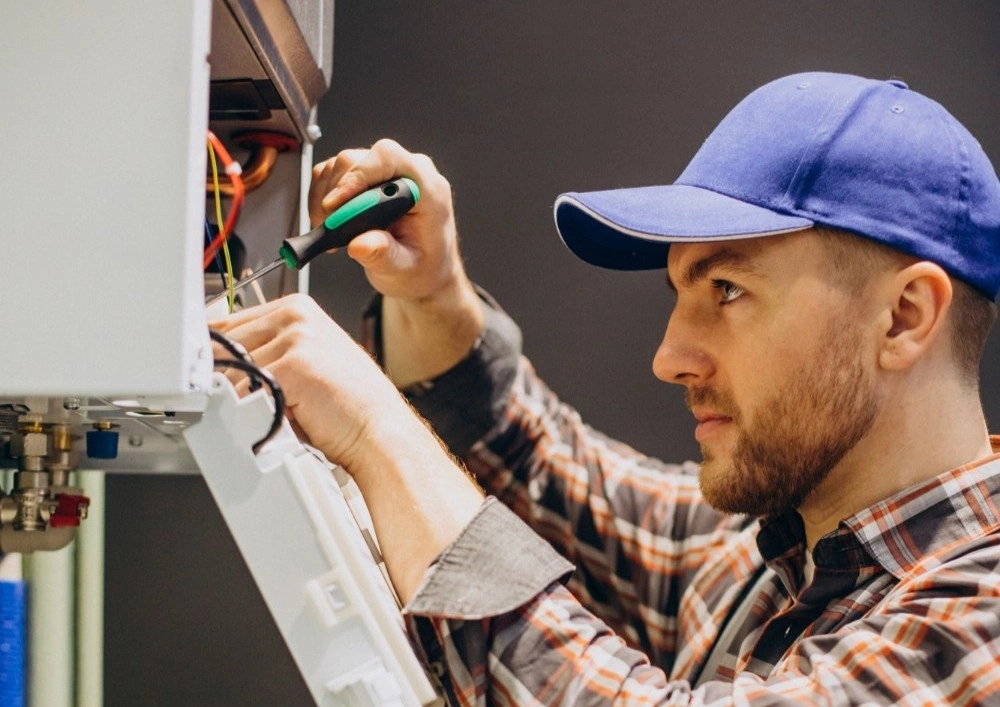
A central heating engineer is a trained professional who is responsible for the installation, repair, and maintenance of central heating systems. These systems are essential for keeping homes and businesses warm during the colder months, and their proper function can have a significant impact on comfort, safety, and energy bills.
Central heating engineers work with a wide range of equipment, including boilers, radiators, thermostats, pipework, and pumps. They are not only skilled in fitting these components but also in making sure they operate efficiently together. Their role is crucial in ensuring that heating systems deliver warmth evenly, respond to temperature controls correctly, and operate without safety hazards.
In many cases, a central heating engineer also acts as a problem-solver. When a system fails, it can cause considerable disruption to a household or business. Engineers must be able to quickly diagnose the cause of the problem, whether it is a mechanical failure, an electrical fault, or an issue related to water pressure or air in the system. Their expertise helps minimise downtime and ensures the property is heated again as soon as possible.
With growing awareness of environmental concerns and rising energy costs, central heating engineers are increasingly involved in helping customers upgrade to more energy-efficient systems. They may advise on replacing older boilers with modern condensing models, installing smart thermostats for better control, or integrating renewable heating options such as heat pumps. These improvements can reduce energy use, lower utility bills, and help households reduce their carbon footprint.
The Core Responsibilities of a Central Heating Engineer
The role of a central heating engineer involves several key responsibilities. Each of these requires a mix of technical knowledge, hands-on skill, and an understanding of customer needs. The work is varied and often requires engineers to adapt to different environments, from small flats to large commercial buildings.
Installation of Heating Systems
Installing a central heating system is a complex process that requires careful planning. Engineers must consider the layout of the property, the heating requirements of each room, and the most efficient way to run pipework. This includes fitting the boiler, connecting radiators, installing pumps, and ensuring that thermostats are positioned for accurate temperature readings. In some cases, they may also be involved in integrating underfloor heating systems, which require a different setup and skills.
Engineers also ensure that new installations meet all legal and safety regulations. This includes checking gas connections for leaks, ensuring proper ventilation for boilers, and conducting final safety tests before the system is handed over to the customer.
Central Heating Repairs
Breakdowns can occur for many reasons, from worn-out components to system blockages. Central heating engineers are trained to diagnose issues accurately, often by listening to unusual noises, checking system pressure, or using specialist diagnostic tools. Repairs might involve replacing parts such as valves, pumps, or thermostatic controls. In more serious cases, it could mean repairing or replacing the boiler itself.
Quick response times are vital, especially in winter, when a lack of heating can be more than just an inconvenience. Skilled engineers can restore heating in a matter of hours, preventing pipes from freezing and ensuring that vulnerable occupants, such as the elderly, remain warm and safe.
Servicing and Maintenance
Annual servicing is one of the best ways to prevent unexpected breakdowns. During a service, engineers inspect all components for wear, clean the boiler to improve efficiency, and check safety devices such as pressure relief valves and carbon monoxide detectors. This routine maintenance can extend the lifespan of the system and ensure it operates at peak performance, saving money on energy bills over time.
Maintenance also includes flushing the system to remove sludge and debris, which can build up inside radiators and pipes. This improves water flow and ensures that heat is distributed evenly throughout the property.
System Upgrades and Advice
Technology in heating systems is constantly evolving. Central heating engineers keep up to date with the latest products and can recommend upgrades that improve efficiency and performance. For example, replacing a decades-old boiler with a modern, energy-efficient model can cut heating bills significantly. Installing smart thermostats allows homeowners to control their heating from a smartphone, leading to better comfort and reduced energy waste.
Engineers also provide advice on renewable options, such as air-source and ground-source heat pumps. These systems can be a sustainable alternative to traditional gas boilers and are becoming increasingly popular as the UK works towards lowering carbon emissions.
Need assistance finding central heating repairs near you?
Get a QuoteWhat Skills Should a Central Heating Engineer Have?
To perform their job effectively, central heating engineers must have a wide range of skills. Technical ability is at the core, as they must understand how boilers, pumps, thermostats, and radiators work together as part of a heating system. They must also be able to read and interpret technical manuals, wiring diagrams, and safety codes.
Problem-solving skills are equally important. Heating systems can fail for many reasons, and engineers must be able to diagnose faults quickly and accurately. This requires both experience and logical thinking, as well as the ability to use diagnostic equipment effectively.
Communication skills are also key. Engineers often need to explain complex technical issues in simple terms so that customers can make informed decisions. They must also listen carefully to customers’ descriptions of problems, as these details can be vital in diagnosing issues.
Practical skills such as soldering pipes, handling electrical wiring, and safely working with gas are essential. Attention to detail is critical, as even a small oversight could lead to a safety hazard or a system that does not work as efficiently as it should. Time management and the ability to work independently are also necessary, especially when dealing with emergency callouts.
When You Might Need a Central Heating Engineer
There are many situations where hiring a central heating engineer is the best option. If your boiler stops producing heat or hot water, an engineer can quickly determine whether the problem lies with the boiler itself, the controls, or another part of the system. Common issues include low pressure, leaks, frozen pipes, or faulty thermostats.
Unusual noises coming from the boiler or radiators, such as banging, gurgling, or whistling, can indicate problems that need attention. Engineers can investigate and carry out central heating repairs before the problem worsens. Similarly, cold spots on radiators may mean that the system needs flushing or balancing.
You may also require an engineer when moving into a new property. Having the heating system inspected ensures that it is safe and working correctly. In older properties, upgrading the heating system can improve both comfort and energy efficiency.
During warmer months, it can be wise to book maintenance or servicing. Engineers are often less busy outside of winter, and preparing your system in advance means you are less likely to face problems when temperatures drop.
How to Choose the Right Central Heating Engineer for Your Needs
Finding the right central heating engineer is essential for ensuring that your system is well cared for and any central heating repairs are completed to a high standard. The best engineers combine technical skill with reliability and good customer service.
Check Qualifications and Certifications
In the UK, anyone working on gas appliances must be registered with the Gas Safe Register. This certification proves they have been trained and assessed to work safely with gas. Always ask to see an engineer’s Gas Safe ID card before allowing them to work on your system.
Look for Experience and Reviews
Experience can make a big difference when it comes to diagnosing and fixing problems quickly. An engineer with years of hands-on work is more likely to have encountered a wide range of issues. Checking online reviews and asking for references can give you an idea of their reliability and quality of service.
Compare Costs and Services
While it is tempting to choose the cheapest quote, it is important to consider the quality of work and the level of service offered. Some engineers may include extras such as extended warranties, priority callouts, or free annual servicing. Taking the time to compare what is included can help you find the best value for money.
In this article: