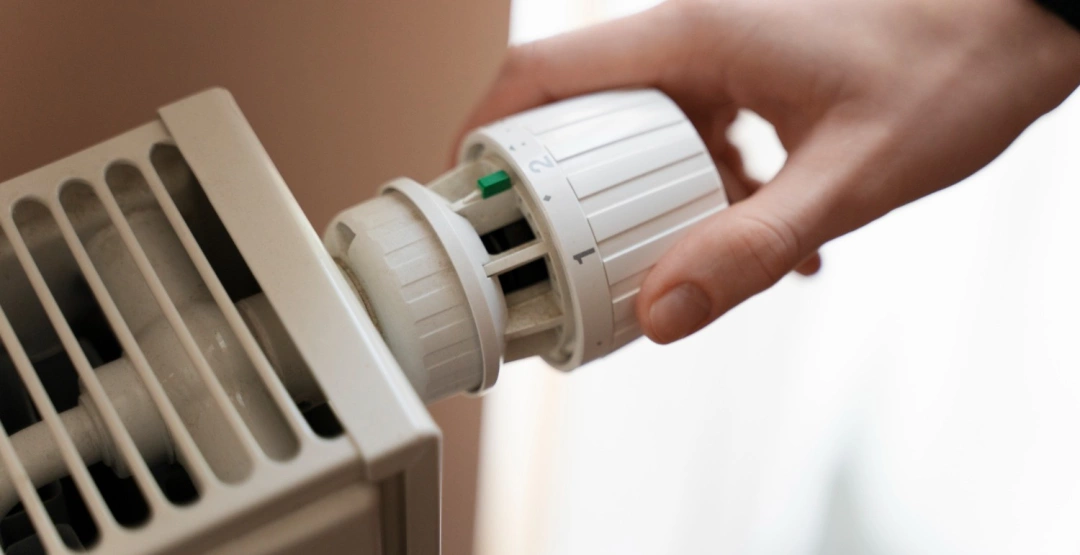
How Old Radiators Can Affect Your Central Heating Performance
Central heating systems rely on several parts working together, and radiators play a key role in keeping your home warm. Over time, radiators can lose their efficiency, which may lead to higher bills, uneven heating and extra strain on other parts of the system. Understanding how older radiators can cause these issues is important if you want to maintain a reliable heating setup. Paying attention to these changes helps to keep the system running smoothly and can avoid unexpected breakdowns. A timely check from a qualified engineer can often confirm the cause and suggest the most effective solution.
Whether you are dealing with rooms that never quite heat up or you have noticed your boiler working harder than usual, the condition of your radiators could be the cause. Central heating repairs may be needed, but sometimes a more cost-effective solution can be found if you know what to look for. Paying attention to these changes helps to keep the system running smoothly and can avoid unexpected breakdowns. A timely check from a qualified engineer can often confirm the cause and suggest the most effective solution.
What Happens to Radiators as They Age
Radiators, like any other part of your home, change with time. The effects of age are often gradual, so you might not notice problems until they become serious. Below are some common changes that occur as radiators get older. Paying attention to these changes helps to keep the system running smoothly and can avoid unexpected breakdowns. A timely check from a qualified engineer can often confirm the cause and suggest the most effective solution.
Build-Up of Sludge and Rust
Over the years, sludge made up of rust particles and other debris can collect inside a radiator. This build-up blocks the flow of hot water and reduces the radiator’s ability to heat a room. In many cases, you may feel cold spots at the bottom of the radiator while the top remains warm. Paying attention to these changes helps to keep the system running smoothly and can avoid unexpected breakdowns. A timely check from a qualified engineer can often confirm the cause and suggest the most effective solution.
Leaks and Corrosion
Corrosion can weaken the metal and create small holes that allow water to leak out. Even small leaks can lower system pressure, forcing the boiler to work harder and potentially causing further damage that will require central heating repairs. Paying attention to these changes helps to keep the system running smoothly and can avoid unexpected breakdowns. A timely check from a qualified engineer can often confirm the cause and suggest the most effective solution.
Reduced Heat Output
As parts inside the radiator deteriorate, the unit may not transfer heat as effectively. This leads to longer heating times, higher energy use and colder rooms. It can also affect the balance of your heating system, causing other radiators to work harder. Paying attention to these changes helps to keep the system running smoothly and can avoid unexpected breakdowns. A timely check from a qualified engineer can often confirm the cause and suggest the most effective solution.
Outdated Design and Technology
Older radiators may not be as efficient as modern ones. New designs often heat up faster and distribute warmth more evenly, so relying on outdated models can limit your system’s performance even if they appear to be in good condition. Paying attention to these changes helps to keep the system running smoothly and can avoid unexpected breakdowns. A timely check from a qualified engineer can often confirm the cause and suggest the most effective solution.
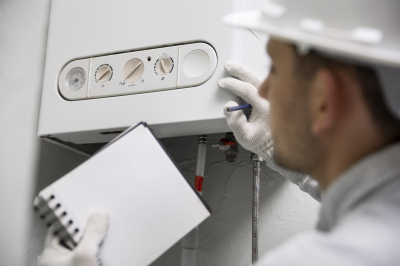
Need assistance finding central heating repairs near you?
Get a QuoteHow Radiator Condition Impacts the Rest of Your Heating System
When one or more radiators are not working properly, the entire central heating system can be affected. Sludge or blockages in an old radiator can restrict water flow, which may cause pressure issues in the boiler. This can reduce the efficiency of your heating and increase wear on key components. Paying attention to these changes helps to keep the system running smoothly and can avoid unexpected breakdowns. A timely check from a qualified engineer can often confirm the cause and suggest the most effective solution.
Boilers are designed to operate under certain conditions, and if radiators are not heating correctly, the boiler may cycle on and off more frequently. This not only wastes energy but also shortens the life of the boiler. Pumps and valves can also be affected, leading to more frequent central heating repairs and higher maintenance costs. Paying attention to these changes helps to keep the system running smoothly and can avoid unexpected breakdowns. A timely check from a qualified engineer can often confirm the cause and suggest the most effective solution.
Uneven heating across rooms can also put stress on your system. Some areas may remain cold while others get too warm, which forces you to adjust the thermostat more often. This leads to inconsistent comfort levels and further energy waste. Paying attention to these changes helps to keep the system running smoothly and can avoid unexpected breakdowns. A timely check from a qualified engineer can often confirm the cause and suggest the most effective solution.
Deciding Whether to Repair or Replace
Choosing between repairing or replacing a radiator depends on the level of damage, the cost of repairs and the overall efficiency of your system. If a radiator has a minor leak or needs bleeding to remove trapped air, a repair can often solve the problem at a low cost. Paying attention to these changes helps to keep the system running smoothly and can avoid unexpected breakdowns. A timely check from a qualified engineer can often confirm the cause and suggest the most effective solution.
However, if the radiator is heavily corroded, has recurring leaks or consistently underperforms despite repairs, replacement might be the better choice. New radiators are often more efficient and can improve your heating system’s overall performance. In some cases, upgrading to modern models may reduce the need for frequent central heating repairs in the future. Paying attention to these changes helps to keep the system running smoothly and can avoid unexpected breakdowns. A timely check from a qualified engineer can often confirm the cause and suggest the most effective solution.
You should also consider the age of your entire heating system. If most of your radiators are old and inefficient, replacing them as part of a wider upgrade can improve comfort, reduce energy bills and extend the life of your boiler. Paying attention to these changes helps to keep the system running smoothly and can avoid unexpected breakdowns. A timely check from a qualified engineer can often confirm the cause and suggest the most effective solution.
Practical Ways to Improve Central Heating Performance
Even if your radiators are showing signs of age, there are steps you can take to get more out of your central heating system. These methods can help improve efficiency and comfort without the need for immediate replacement. Paying attention to these changes helps to keep the system running smoothly and can avoid unexpected breakdowns. A timely check from a qualified engineer can often confirm the cause and suggest the most effective solution.
Regular Maintenance and Cleaning
Bleeding radiators to remove trapped air and having your system flushed to clear sludge can improve heat output and balance the system. Regular servicing can also spot small problems before they lead to major central heating repairs. Paying attention to these changes helps to keep the system running smoothly and can avoid unexpected breakdowns. A timely check from a qualified engineer can often confirm the cause and suggest the most effective solution.
Upgrading Thermostatic Controls
Fitting thermostatic radiator valves allows you to control the temperature in each room individually. This reduces wasted heat and can help maintain even comfort levels across your home. Paying attention to these changes helps to keep the system running smoothly and can avoid unexpected breakdowns. A timely check from a qualified engineer can often confirm the cause and suggest the most effective solution.
Insulating and Balancing the System
Ensuring pipes are insulated and the heating system is balanced can improve performance. A balanced system means each radiator gets the right amount of hot water, so no room is too hot or too cold. Paying attention to these changes helps to keep the system running smoothly and can avoid unexpected breakdowns. A timely check from a qualified engineer can often confirm the cause and suggest the most effective solution.
In this article: