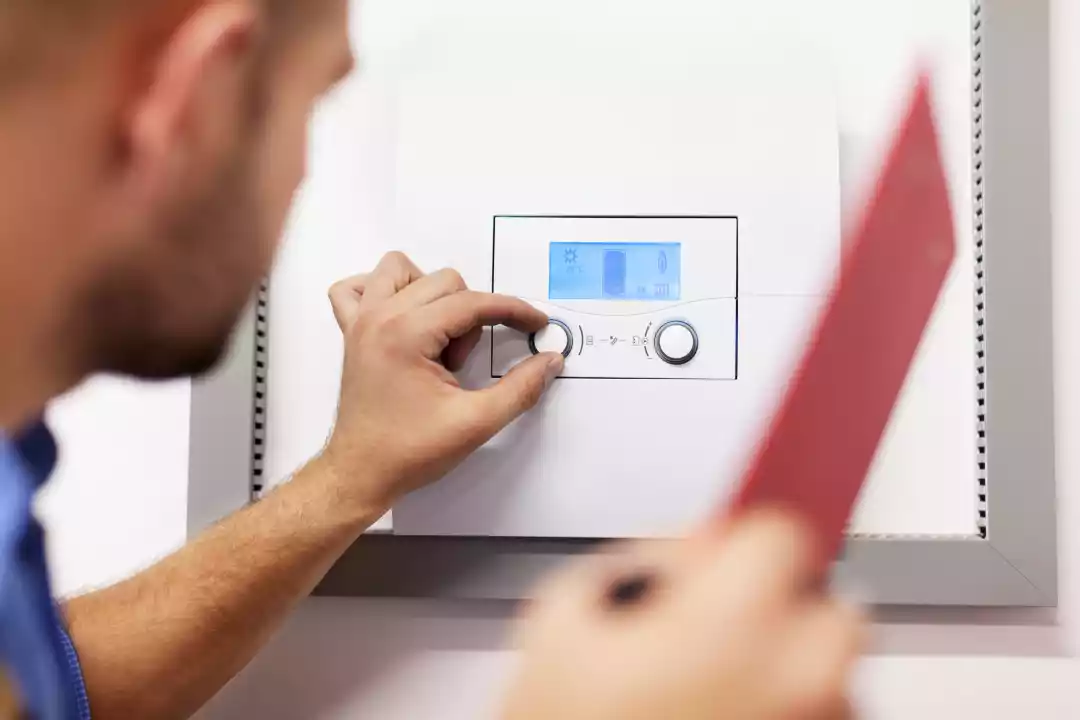
The Benefits of Regular Central Heating Maintenance
Keeping your central heating system in good working order is essential for maintaining a comfortable and warm home, especially during the colder months. Regular maintenance ensures that your heating operates efficiently, helping you avoid unexpected breakdowns and expensive central heating repairs. By scheduling routine checks, you can extend the lifespan of your system and keep your energy bills under control.
Central heating systems are a major part of any household, and when they fail, the inconvenience can be significant. A sudden breakdown in the middle of winter can leave your home without heat or hot water at the time you need it most. This can cause discomfort for your family and even lead to health risks for vulnerable people such as children, older adults, and those with certain medical conditions.
Investing in consistent upkeep not only protects your comfort but also offers peace of mind. You know your system is less likely to let you down, and that any small faults will be spotted before they turn into costly repairs. This article will explore the advantages, performance improvements, and potential risks associated with central heating maintenance, as well as what you can expect from a professional service. By the end, you will understand why regular maintenance is a smart decision for every homeowner.
Key Advantages of Scheduling Central Heating Maintenance
Arranging regular maintenance for your central heating system offers several important benefits. It keeps your heating reliable, efficient, and safe to use throughout the year. These advantages are not only practical but also financial, as they can help you save money in the long term.
Reduced Risk of Breakdowns
One of the main benefits of regular servicing is the reduced likelihood of unexpected failures. Engineers can identify worn parts or minor faults before they develop into larger problems, helping you avoid urgent central heating repairs during the peak of winter. For example, replacing a small valve or seal during a routine check is far cheaper and less stressful than dealing with a full system breakdown when temperatures are near freezing.
Preventative maintenance can also reduce the need for emergency call-outs, which are often more expensive than scheduled appointments. This means you can plan ahead and keep costs under control.
Improved Energy Efficiency
A well-maintained system uses less energy to produce the same amount of heat. Over time, parts can become dirty or worn, making your boiler work harder to heat your home. This wastes energy and increases your bills. During a service, components are cleaned and adjusted so the system runs smoothly and uses only the energy it needs.
For example, removing sludge from radiators can help them heat more evenly, so you do not have to turn the thermostat up higher to achieve the same level of comfort. These small improvements can lead to noticeable savings on your energy bills over the year.
Extended System Lifespan
Central heating systems that receive consistent care often last longer than those that are neglected. Routine maintenance helps prevent excessive wear and tear, which can delay the need for a complete replacement. Boilers and other key components are expensive to replace, so prolonging their life can save a significant amount of money in the long run.
Think of it like servicing a car. Regular oil changes and checks keep the engine running smoothly for years, while neglecting them can lead to early breakdowns and costly repairs. Your central heating system works in much the same way.
Enhanced Safety
Safety is another crucial reason to book regular servicing. Engineers check for gas leaks, faulty wiring, and other hazards that could put your household at risk. They will also inspect ventilation and flues to make sure harmful gases such as carbon monoxide are not entering your home.
Even if your system seems to be working fine, safety issues can develop quietly over time. A regular service ensures you are not unknowingly putting your family in danger.
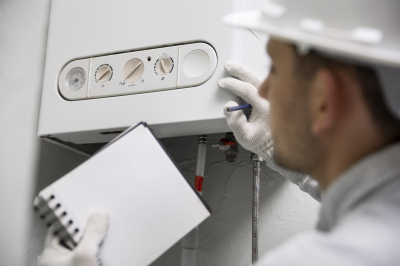
Need assistance finding central heating repairs near you?
Get a QuoteHow Regular Maintenance Improves System Performance
When a central heating system is properly maintained, it operates at peak efficiency, providing consistent warmth without using more energy than necessary. Cleaning and inspecting components such as the boiler, radiators, and thermostats helps keep them in optimal condition.
Regular maintenance ensures that each part of the system works together effectively. For example, bleeding radiators removes trapped air, allowing heat to circulate evenly. Checking the boiler’s pressure ensures that it runs within the correct range, which helps avoid unnecessary strain on the system and reduces the risk of leaks.
During a service, engineers can also update or recalibrate your thermostat settings. This helps you keep your home at a comfortable temperature without overworking the boiler. In some cases, they may suggest upgrades such as smart controls that can make your heating even more efficient.
These small adjustments make a big difference in the long run. They help prevent strain on components, reduce energy waste, and maintain a comfortable indoor environment. Ultimately, keeping your system in top condition means you are less likely to experience unexpected central heating repairs and more likely to enjoy reliable performance year-round.
Potential Risks of Neglecting Central Heating Maintenance
Failing to look after your central heating system can lead to several costly and inconvenient problems. Without regular checks, minor issues can go unnoticed until they cause significant damage. By then, repairs are likely to be far more expensive than the cost of routine maintenance.
One of the main risks is reduced efficiency. Dust, debris, and worn components can force the system to work harder, which not only increases your energy bills but also puts extra strain on the equipment. This can lead to frequent breakdowns and the need for expensive central heating repairs at short notice.
Neglecting maintenance can also shorten the lifespan of your system, meaning you may have to replace it sooner than expected. A boiler that could have lasted 15 years with regular care might only last 10 if it is not maintained properly. The cost of a new system is far greater than the cost of annual servicing, making neglect a poor financial decision.
Additionally, safety issues such as gas leaks or faulty electrical connections are more likely to occur without regular inspections, putting you and your household in danger. Carbon monoxide is a silent and odourless gas that can be deadly if it builds up indoors. A qualified engineer will check for signs of this and ensure your system is safe to operate.
In short, skipping maintenance may save money in the short term, but it increases the risk of larger expenses, safety hazards, and periods without heating in the future.
What’s Included in a Professional Central Heating Service
A professional central heating service is designed to check all essential components and ensure your system is working safely and efficiently. It typically includes cleaning, testing, and adjusting key parts to keep your heating running smoothly. While the exact process may vary depending on the engineer and your system’s type, there are some common steps you can expect.
Thorough Inspection and Testing
The engineer will examine the boiler, radiators, and controls to make sure everything is in good condition. This includes checking for leaks, inspecting seals, and testing the system’s pressure. They will also ensure that safety devices are working correctly and that there are no signs of corrosion or other damage.
Electrical connections will be checked, and gas appliances will be tested for safe operation. The engineer will also review your thermostat and control settings to ensure they are working as intended.
Cleaning and Maintenance of Components
Parts of the system, such as heat exchangers and burners, will be cleaned to remove any build-up that could reduce efficiency. Radiators may be bled to remove air pockets, and filters will be checked or replaced if necessary. Flues and vents will also be inspected to ensure safe ventilation.
In some cases, the engineer may recommend a system flush to remove sludge and debris from pipes and radiators. This can restore lost efficiency and improve heat distribution throughout your home.
Advice and Recommendations
After completing the service, the engineer may offer guidance on how to keep your system in good condition between visits. This could include tips on adjusting thermostat settings, recognising early signs of problems, and planning your next maintenance appointment. They may also suggest energy-saving measures or upgrades that could further improve your heating’s performance and reduce running costs.
In this article: