How Much Do Central Heating Repairs Cost in the UK?
Central heating systems are a vital part of most homes in the UK, providing warmth and comfort during the colder months. Without a working heating system, winter can be unpleasant and unsafe, especially for vulnerable people. While modern systems are built to last, they still require occasional repairs due to wear, accidental damage, or parts reaching the end of their lifespan.
When something goes wrong, it can be difficult to know how much the repair might cost. Prices vary depending on the issue, the type of system, and location. Knowing potential costs can help you budget and make informed maintenance decisions.
The cost of central heating repairs can range from small amounts for minor fixes to hundreds of pounds for major work. By understanding common problems, the factors that influence costs, and ways to save money, you can keep your system running efficiently. In many cases, planning ahead and being aware of potential issues means you can take action before a fault becomes more serious, avoiding unnecessary disruption to your home.
Common Central Heating Issues and Their Average Repair Costs
Central heating systems contain many parts, and one fault can affect the whole system. Some issues are simple to fix, while others need more time, skill, and expensive parts. Understanding what each problem involves can help you decide whether it is urgent and what budget you might need.
Boiler Breakdowns
Boilers heat water for radiators and taps. Breakdowns can be caused by faulty valves, damaged heat exchangers, broken pumps, or blockages. Minor repairs like replacing a thermostat may cost £100 to £200. Larger jobs, such as repairing a heat exchanger, can reach £400 to £500. The final cost depends on the make and model and the engineer’s rates, and older or less common models can be more expensive to fix due to limited parts availability.
Radiator Problems
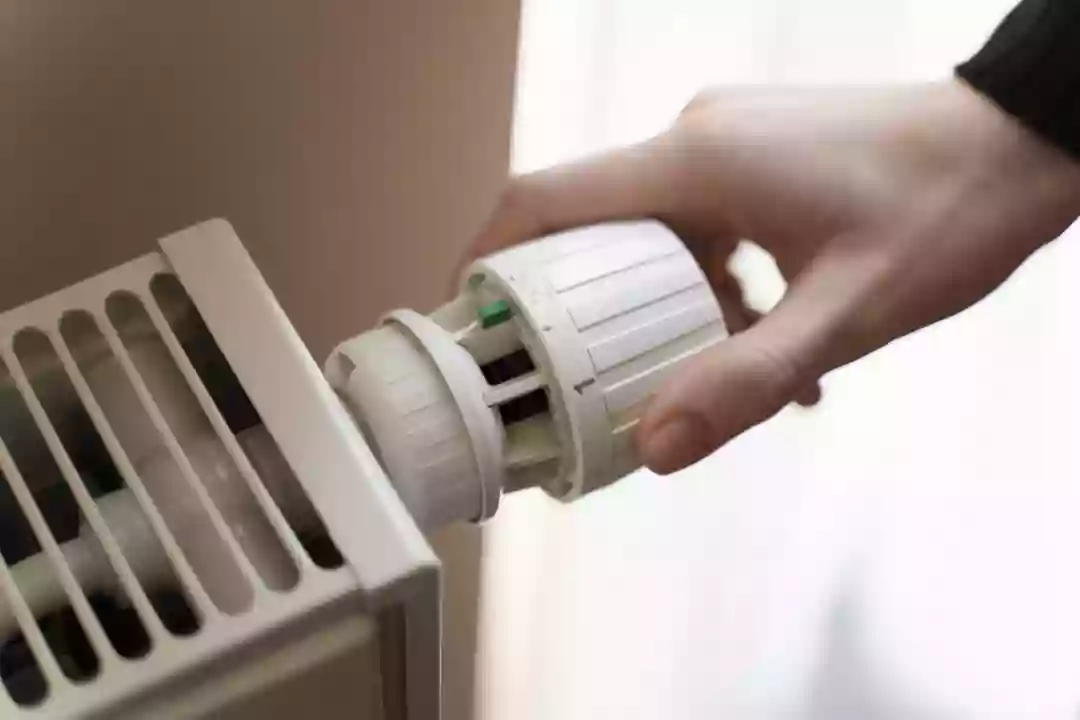
Radiators can develop cold spots, leaks, or valve faults. Bleeding trapped air may cost £50 to £80. Valve replacements can cost £100 to £150. A full power flush, which removes sludge and debris, can cost £300 or more but often improves efficiency. If sludge is left untreated, it can lead to blockages in the boiler and pipes, creating further expense later.
Pump or Motor Failures
The pump moves hot water around the system. If it fails, radiators may not heat properly. Replacing a pump costs between £200 and £450 depending on size, brand, and how accessible it is. In some cases, a pump may be repairable rather than replaced, which can save money, but this depends on the extent of the fault.
Thermostat or Control Faults
A faulty thermostat can cause inefficient heating or prevent the system from working. Basic replacements cost £60 to £100, while smart thermostats cost £150 to £200, excluding installation. Smart models can provide better temperature control, potentially reducing long-term energy bills.
Need assistance finding central heating repairs near you?
Get a QuoteFactors That Affect the Cost of Central Heating Repairs
The type of system you have affects repair costs. Combi boilers, system boilers, and regular boilers use different parts and can require different skills to repair. Some older models need rare parts, while newer systems may need expensive electronics.
Location matters too. Engineers in London and other cities often charge more than those in rural areas. Emergency callouts in the evening, at weekends, or on holidays are also more expensive than standard appointments.
Parts can be branded or generic, with branded usually costing more. Your engineer may suggest upgrades for efficiency, which increases the cost. Complexity also matters. Small jobs may take less than an hour, while complex repairs could take several hours or require return visits. These longer jobs can sometimes be split into stages to reduce disruption, but this may affect labour charges.
Warranty coverage or service plans can reduce your costs, so it is worth checking what is included before paying for a repair.
How to Save Money on Central Heating Repairs
There are several effective ways to reduce the cost of central heating repairs, and many of them involve preventing problems before they happen. Annual servicing is one of the most important steps you can take. A routine service, costing £70 to £120, can identify worn components, check for leaks, and ensure your boiler is running efficiently. This not only helps to prevent costly breakdowns but can also improve energy efficiency, lowering your heating bills. Booking a service during the summer months can sometimes be cheaper, as engineers are less busy and may offer discounted rates.
Alongside professional servicing, carrying out simple maintenance tasks yourself can save money in the long run. Learning how to bleed radiators, check boiler pressure, and keep air vents clear can help your system work efficiently and avoid unnecessary strain on parts. These tasks are straightforward and safe to perform if you follow proper guidance, and they can make a noticeable difference in performance. While more technical work should be left to qualified engineers, knowing how to handle these basic checks reduces the likelihood of minor issues turning into major repairs.
When a repair is required, always compare multiple quotes before agreeing to the work. Prices can vary significantly depending on the engineer’s rates, location, and the parts used. Make sure each quote includes the same parts, labour, and any additional charges so you can compare like-for-like and avoid hidden costs. It is also worth checking whether you have cover through home insurance, a manufacturer’s warranty, or a boiler service plan, as these can sometimes cover the cost of repairs entirely or require only a small excess payment. Having this cover in place can be particularly beneficial for older systems that are more prone to faults.
Finally, act quickly if you notice warning signs such as strange noises, uneven heating, or pressure drops. Ignoring small issues often results in larger, more expensive problems. Prompt action not only saves money but can also prevent long periods without heating or hot water. Keeping a basic record of your system’s maintenance and repairs can help you track recurring issues, plan ahead for potential replacements, and ensure that you stay on top of your heating system’s overall health.
Comparing Quotes and Choosing the Right Heating Engineer
Finding the right heating engineer is key to ensuring repairs are safe, cost-effective, and long-lasting. Taking the time to check credentials, compare quotes, and review feedback can prevent problems later.
Check Qualifications and Experience
Only hire a Gas Safe registered engineer for any gas-related work. Ask about their experience with your type of system, as this can lead to quicker diagnosis and efficient repairs.
Compare Like-for-Like Quotes
Request written quotes that include the same parts, labour, and service details. A cheaper option that excludes essential elements may end up costing more once extras are added.
Read Reviews and Ask for Recommendations
Look for engineers with consistently positive customer reviews. Personal recommendations from friends or neighbours can be especially useful for finding reliable, professional tradespeople.
Costs can also vary based on location and timing. For example, a weekday repair from a local engineer may cost significantly less than an urgent weekend callout in a city. Service plans can also reduce costs, allowing you to pay a small excess instead of the full bill for major repairs.
To avoid breakdowns during the busiest times, schedule maintenance before the colder months. This can highlight worn parts early, preventing failures when you need heating most.
Pay attention to warning signs such as unusual noises, uneven heating, pressure drops, or strange smells from your boiler. Addressing these quickly can help avoid costly and disruptive breakdowns.
A knowledgeable engineer can also offer tips for improving efficiency, recommend worthwhile upgrades, and make sure your system remains safe and compliant.
In this article: