How Can I Prevent and Treat Algae in My Pool?
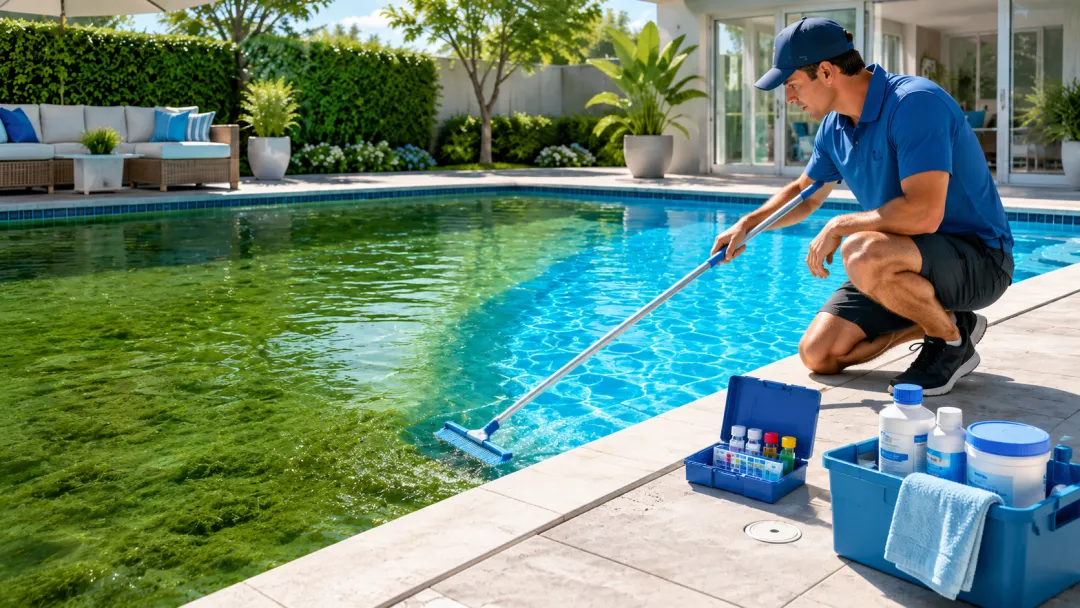
Pool algae is one of the most common problems pool owners face. It can turn clear pool water into green water, make the pool walls and floor slippery, and leave the whole swimming pool looking cloudy and unsightly. Pool algae can also make the pool less pleasant to swim in, especially when algae growth is left untreated.
The good news is that you can prevent algae with a steady pool maintenance routine. Keeping chlorine levels correct, running the pool pump, brushing the pool walls, checking the pool filter, and removing debris all help prevent algae growth. If algae does appear, you can usually get rid of it by testing the pool water, brushing the pool surfaces, using shock treatment, and keeping the filtration system running.
What Is Pool Algae?
Pool algae is a simple plant-like growth that can live in pool water. It can be introduced by wind, rain, plant debris, soil, animals, pool toys, swimwear, and other items that come into contact with the water. Algae spores are often too small to see, but they can multiply quickly when conditions are right.
Algae growth is more likely when pool water is warm, still, or unbalanced. Algae thrive in sunlight and can feed on organic matter, phosphates, nitrates, dirt, pollen, and other contaminants. The presence of carbon dioxide, low chlorine levels, and poor circulation can also create a breeding ground for pool algae.
Small amounts of algae may not be easy to notice at first. Over time, algae can form on the pool walls, settle on the floor, or become free floating in the water. Depending on the type of algae, the pool may turn green, yellow, teal, black, or cloudy.
Why Algae Grows in Swimming Pools
Algae usually grows when pool chemistry is not properly managed. Low chlorine, poor water circulation, dirty filters, clogged baskets, and unbalanced pH levels can all lead to algae growth. If chemical levels are not checked often, algae spores may begin to spread before you realise there is a problem.
Warm weather can accelerate algae growth. A pool that gets a lot of sun, heavy use, or rain may need extra cleaning and testing. Leaves, waste, dirt, and debris can use up chlorine, which gives algae more food and space to grow.
Poor water circulation is another common cause of pool algae. If the pump is not running long enough, or if the filtration system is not working well, water may not move through the filter properly. This can leave dead spots around stairs, corners, ladders, crevices, and shaded areas where algae can stick and spread.
Common Signs of Pool Algae
One of the first signs of algae is cloudy or dull pool water. You may notice green patches on the pool walls, a green tint in the water, or slimy areas on the walls and floor. A green pool is a clear warning that algae growth has already begun.
Other signs include yellow dust on shaded walls, black spots on rough areas, and slippery stairs. Pool algae can also make the water smell unpleasant. If the pool stays cloudy after normal filtration, or if the filter becomes dirty quickly, there may be an algae problem.
Algae can pose a health risk because it may make pool surfaces slippery and can hide bacteria. The algae itself is not always the main danger, but the conditions that allow algae to grow may also allow harmful bacteria and contaminants to spread. Swimmers may also get rashes, sore ears, or skin irritation if pool water is poorly treated.
Types of Pool Algae
There are several types of pool algae, and each type may need a slightly different treatment. The common types include green algae, yellow pool algae, mustard algae, and black algae. Being able to identify the type of pool algae helps you choose the best way to get rid of it.
Green algae is the most common type. It can turn pool water green and may appear on the walls, floor, stairs, and other pool surfaces. Green algae can spread quickly, especially when chlorine levels are low or circulation is poor.
Yellow algae, also called mustard algae, usually appears in shaded areas. Mustard algae can look like dust, sand, or yellow dirt on the pool walls and floor. It can cling to surfaces and may return if the pool is not deep cleaned properly.
Black algae is usually more difficult to remove. Black pool algae can appear as black spots, often in cracks, crevices, and rough areas. Black algae can grow roots into porous surfaces, which makes it more resistant to normal cleaning. It can affect concrete, tiled areas, and some older pool surfaces.
How to Prevent Algae Growth
The best way to stop algae is to prevent algae growth before it starts. A clean pool with good circulation, balanced water, and correct chlorine levels is much less likely to develop an algae infestation. Prevention is usually easier than algae removal.
To prevent algae, test the pool water often, brush the pool walls, clean your filter, remove debris, and keep the pool pump running for long enough each day. Regular maintenance routine is key because algae spores can begin to grow in only a few hours when conditions are right.
Pool owners should also check water levels, pH balance, alkalinity, and chlorine after heavy rain, hot weather, or heavy use. This helps keep your pool safe, clear, and ready to swim in. Good pool care is about taking small steps often, rather than waiting until the pool turns green.
Need assistance finding swimming pool maintenance near you?
Get a QuoteKeep Chlorine at the Right Level
Chlorine helps kill algae, kill algae spores, and control bacteria in pool water. If chlorine levels fall too low, algae can grow quickly. Low chlorine levels are one of the most common reasons a green pool develops.
Use a test kit to check chlorine levels several times a week during the swimming season. You may need to test more often after rain, during warm weather, or when many people have used the pool. If chlorine drops, adjust it as soon as possible to prevent algae growth.
Chlorine works best when the water balance is right. If the pH is too high or too low, chlorine may lose effectiveness. This means algae and bacteria can survive, even if chemicals have been added.
Balance the Pool Water
Balanced pool water helps chlorine work properly. For many pools, a pH level between 7.2 and 7.6 is often suitable. You should also check alkalinity, stabiliser if used, and other chemical levels as part of your pool maintenance.
If pH levels are too high, chlorine may not be able to kill algae as well as it should. If the pH is too low, the water may become uncomfortable to swim in and may damage equipment, a liner, or some pool surfaces. Unbalanced water can lead to staining, cloudy water, and algae growth.
Checking pool chemistry weekly helps prevent algae and keeps the pool clean. If the water is not in balance, follow product instructions carefully and rebalance before adding more treatment.
Run the Pool Pump and Filtration System
The pool pump and filtration system help keep water moving and clean. Proper circulation makes it harder for algae spores to settle and grow. When the pump is running well, the filter can catch dirt, debris, and contaminants before they become a bigger problem.
Run the pump long enough each day for the pool size and level of use. During hot weather, after heavy rain, or after heavy use, the pump may need to run for longer. Circulating the water also helps chemicals mix evenly through the pool.
If you notice poor circulation, weak flow, or areas where dirt always gathers, check the pump, skimmer, filter, baskets, and return jets. Poor water circulation can make some areas more prone to algae growth, especially corners, stairs, and shaded walls.
Clean the Pool Filter Regularly
A dirty pool filter cannot clean the water properly. If the filter is blocked with debris, algae, dirt, and dead algae may stay in the pool water. This can make it harder to get rid of algae and may cause the water to stay cloudy.
Clean or backwash the filter when needed, depending on the type of filter system you have. A sand or media filter may need backwash after algae treatment, while a cartridge filter may need rinsing or deep clean work. Always follow the instructions for your filter.
Brush the Pool Walls and Floor
Brushing is one of the most important steps in algae prevention and algae treatment. A pool brush helps dislodge algae, dirt, and spores from the pool walls, floor, corners, stairs, ladders, and shaded areas. This gives chlorine and algaecide better contact with the algae.
Brush the pool weekly as part of your normal cleaning routine. If you notice algae growth, brush before adding shock or algaecide. Algae can cling to walls and floor, so brushing helps break it up and makes treatment more effective.
Use the correct brush for your pool. A fibreglass pool usually needs a softer brush to protect the smooth surface. A concrete pool may need a firmer brush. If you are unsure, check the product instructions or contact a pool professional.
Vacuum Your Pool
Vacuuming helps remove dirt, leaves, dead algae, and other debris from the pool floor. This makes it easier for the filter and chemicals to work. Vacuum your pool at least once a week, or more often after storms, wind, or heavy use.
If algae is present, vacuum slowly so you do not stir it back into the water. In some cases, you may need to vacuum to waste, depending on your system and the amount of algae. This can help remove algae without sending it back through the filter.
When algae has settled after treatment, vacuum pool walls and floor areas carefully. Cleaning missed areas is important because even a small amount of existing algae can spread again.
Remove Leaves, Dirt, and Debris
Leaves, insects, plant debris, and other waste can use up chlorine and provide nutrients for algae. To prevent algae, remove debris as soon as you can. This is especially important if the pool is near trees, soil, plants, or areas where wind can blow dirt into the water.
Skim the pool surface often and empty the skimmer basket when needed. A clean pool is much less likely to develop pool algae because there is less organic matter for algae to feed on.
Debris can also block the pump and filter, which affects circulation and filtration. Keeping baskets clean helps the whole system work properly and helps keep your pool clear.
Use a Pool Cover Carefully
A pool cover can help keep leaves, dirt, pollen, and insects out of the water. This can reduce contaminants and make algae growth less likely. A cover is useful during periods when the pool is not being used, especially in winter or when trees are shedding leaves.
However, a pool cover should also be kept clean. If debris falls from the cover into the pool, it can add waste and nutrients to the water. Remove the cover carefully and clean it when needed.
Pool covers can reduce sunlight, but they do not replace chlorine, filtration, or regular testing. You still need to maintain the water, check chemical levels, and keep the pool clean.
How to Treat Green Pool Water
If the pool water has turned green, begin by testing it. Check chlorine, pH, alkalinity, and the filtration system before adding treatment. A green pool often means there is active green algae, low chlorine, or poor filtration.
Brush the pool walls and floor, empty baskets, remove debris, and clean the pool filter. Then shock your pool using the correct amount of pool shock for the pool size. Always follow the instructions on the label.
After you shock your pool, keep the pump running and allow the filter to remove dead algae. The water may look cloudy for a while as the algae dies. You may need to brush, vacuum, and clean the filter more than once before the water becomes clear again.
Shocking the Pool
To shock your pool means adding a stronger dose of chlorine or pool shock treatment. This helps kill algae, bacteria, and contaminants that normal chlorine levels may not control. Shock treatment is often needed when algae growth has turned the water green or cloudy.
Shock is usually best added in the evening or overnight, because strong sunlight can reduce chlorine strength. Keep the pump running so the chemicals circulate through the pool water. Do not swim until chlorine levels have returned to a safe range.
Some algae problems need more than one shock treatment. If the water is still green after the first treatment, test the water again, brush the walls and floor, clean the filter, and repeat treatment if needed.
Using Algaecide
Algaecide is a pool chemical designed to help prevent algae or treat algae. It can be useful after brushing, balancing the water, and using shock. Algaecide can also be part of a prevention plan, especially in warm weather or when the pool is more susceptible to algae growth.
Different algaecide products work in different ways. Some are made for green algae, while others may help with mustard algae or black algae. Always read the label and follow the instructions, as adding too much can cause foaming or other water issues.
Algaecide should not be used as a replacement for chlorine, filtration, brushing, or good water balance. It works best when the pool is already being cleaned and maintained properly.
Cleaning After Algae Treatment
After algae treatment, dead algae may settle on the pool floor or remain suspended in the water. This can make the pool appear cloudy even when the algae has been killed. Keep the pump running, clean the filter, and vacuum the pool until the water clears.
Brush the pool walls, stairs, corners, and ladders again after treatment. This helps remove anything that may have survived or stuck to the surface. Cleaning after treatment is essential because missed algae can grow again.
You may also need to clean pool toys, floats, brushes, nets, and other equipment. Algae spores can stick to these items and be introduced back into the pool if they are not cleaned.
In this article: