A Beginner’s Guide to Septic Tank Maintenance
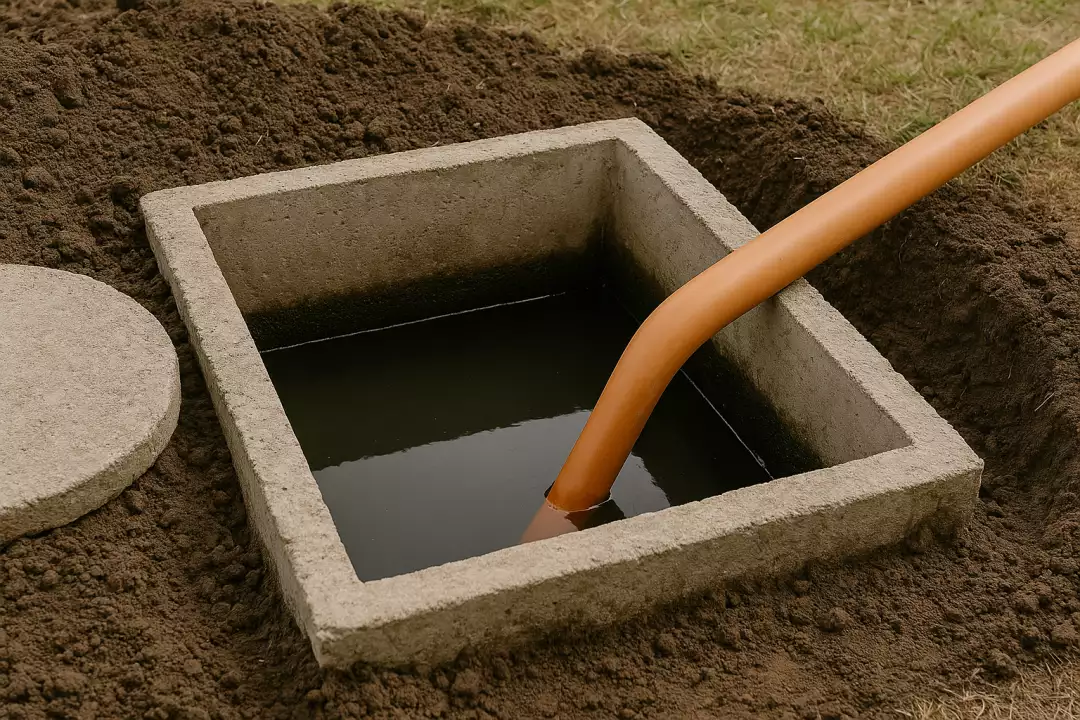
Septic tanks are an essential part of waste management for many households, particularly in rural areas or places not linked to public sewage systems. These underground systems process waste water from homes, separating solids from liquids and allowing natural processes to clean the water before it re-enters the soil. Although they may seem hidden, septic tanks require regular care to remain safe and efficient.
For many homeowners, septic systems are unfamiliar, and the idea of looking after them may feel daunting. However, with the right knowledge, maintenance is not difficult. Neglecting them can lead to unpleasant odours, costly repairs and even health hazards. By learning how they function and what steps to take, anyone can look after their tank successfully. This beginner’s guide explains the basics, highlights common issues, explores professional help compared to do-it-yourself efforts and offers practical habits for long-term care.
The Basics of Septic Tank Care
Looking after a septic tank begins with understanding its role. A septic system is designed to treat waste water safely and relies on a balance of natural processes. The design may seem simple, but without proper care, the system can fail, often at great expense. Below are the core elements of septic tank care that every homeowner should know.
How a Septic Tank Works
When waste water leaves your home through toilets, sinks, showers and appliances, it flows into the septic tank. Inside, gravity separates the waste: heavier solids sink to the bottom, forming sludge, while fats and oils rise to the top, forming scum. The liquid layer between these is effluent, which slowly flows out to the drainage field.
In the drainage field, the soil acts as a natural filter, removing bacteria and impurities. Helpful bacteria inside the tank also break down some of the waste. The process works smoothly as long as the tank is not overloaded and the bacteria are not harmed. When disrupted, the system may struggle to treat waste properly.
Routine Inspections
Routine inspections are one of the best ways to keep a septic system healthy. Experts recommend professional checks every three to five years, depending on household size and water use. During these visits, technicians measure sludge and scum levels, check pipes for leaks and ensure the drainage field is absorbing effluent correctly.
Small issues spotted during an inspection, such as a minor leak or early pipe blockage, can be corrected before they develop into costly repairs. Inspections also help homeowners understand how often pumping will be required, as usage patterns vary.
Pumping the Tank
Pumping removes the sludge and scum that collect in the tank over time. If not cleared, these layers reduce space for effluent and may push solids into the drainage field. Once the field is clogged, it is difficult and expensive to repair. Pumping is usually needed every three to five years, although larger households may require it more often.
Professional pumping uses specialist equipment to empty the tank safely. Along with clearing waste, technicians use this time to inspect the tank’s condition and look for cracks or damage.
Being Careful with What Goes Down the Drain
Everyday habits strongly affect septic health. Items such as wipes, nappies, sanitary products, fats and harsh chemicals should never be flushed or poured down drains. These can block pipes, disturb bacteria and reduce the system’s ability to treat waste.
Instead, stick to septic-safe cleaning products and dispose of non-biodegradable waste in the bin. Avoiding grease in the sink also helps protect the system. The more careful you are about what enters the tank, the longer it will last.
Need assistance finding septic tanks near you?
Get a QuoteCommon Problems Caused by Poor Maintenance
When septic tanks are not maintained, several problems can appear. Some develop slowly and may not be obvious at first, while others create sudden disruption. Recognising early signs helps prevent damage from becoming severe.
One warning sign is unpleasant smells around the home or garden. These odours often mean waste water is not breaking down properly or gases are escaping due to leaks. Ignoring the smell can allow the problem to worsen.
Slow drainage in sinks, baths and toilets is another warning. This may mean the tank is full or that pipes are blocked. Left untreated, it can cause waste water to back up into the home, creating a health hazard.
Drainage field failure is one of the most serious outcomes of poor maintenance. If solids escape into the soil, they block the filtering process. This can create pools of dirty water on the surface with foul odours. Repairing or replacing a drainage field is expensive and disruptive, so prevention is key.
In the worst cases, untreated waste water can contaminate nearby soil and water supplies. Harmful bacteria may enter streams or wells, creating risks for people and wildlife. Septic care is not just about protecting your property but also about safeguarding the environment.
Professional Help vs DIY Maintenance
Many homeowners wonder whether they can look after their septic tanks themselves. The truth is that both professional care and DIY efforts have important roles. Knowing which tasks can be managed at home and which require expert attention is crucial for keeping the system safe.
Homeowners can handle habits such as monitoring water use, avoiding harmful waste in drains and watching for slow drains or smells. These daily efforts play a major role in prevention and cost nothing.
However, jobs such as pumping, inspecting drainage fields and repairing leaks require professional expertise. These tasks involve specialist equipment and protective measures because waste water can contain harmful bacteria and gases. Without training, attempting these jobs can be dangerous and may even cause further damage.
Professionals bring experience and knowledge that most homeowners do not have. They can identify problems early, give advice about service schedules and provide safe pumping. Investing in professional help saves money long term by avoiding major breakdowns.
The best approach combines both: professional servicing supported by responsible daily habits. Together, these efforts ensure the system continues to work effectively for years.
Practical Habits for Long-Term Septic Health
Maintaining a septic tank is not only about occasional pumping or inspections. Good daily habits make a difference to how well the system works and how long it lasts. By adopting simple routines, you can avoid unexpected breakdowns and save money over time.
Use Water Wisely
Managing water use reduces strain on the septic system. Large amounts of water entering at once can overwhelm the tank. Spread out water-heavy tasks such as laundry and washing up. Fixing leaks also prevents waste. Even small leaks can add up to hundreds of litres per week, putting pressure on the system.
Installing water-saving devices, such as efficient showerheads and dual-flush toilets, reduces demand. A steady flow of waste water allows the tank and drainage field to process liquids properly, helping the system remain balanced.
Keep the Drainage Field Clear
The drainage field plays an important role in treating waste water, so it must be protected. Avoid parking vehicles or placing heavy objects on it, as weight can damage underground pipes. Keep trees and shrubs away, since roots may grow into the pipes and cause blockages.
Planting shallow-rooted grass is the safest option. By keeping this space free from damage, the drainage field will continue to work properly.
Plan for Regular Upkeep
Septic care is easier when it is planned. Keep records of inspections, pumpings and repairs. This helps you stay organised and makes it easier to schedule future work. Marking service dates in a calendar prevents overdue checks.
It is also useful to know who to call in an emergency. Keeping details of a trusted professional ensures you can get help quickly if problems arise. With regular upkeep and simple habits, your septic tank can stay reliable for decades.
In this article: