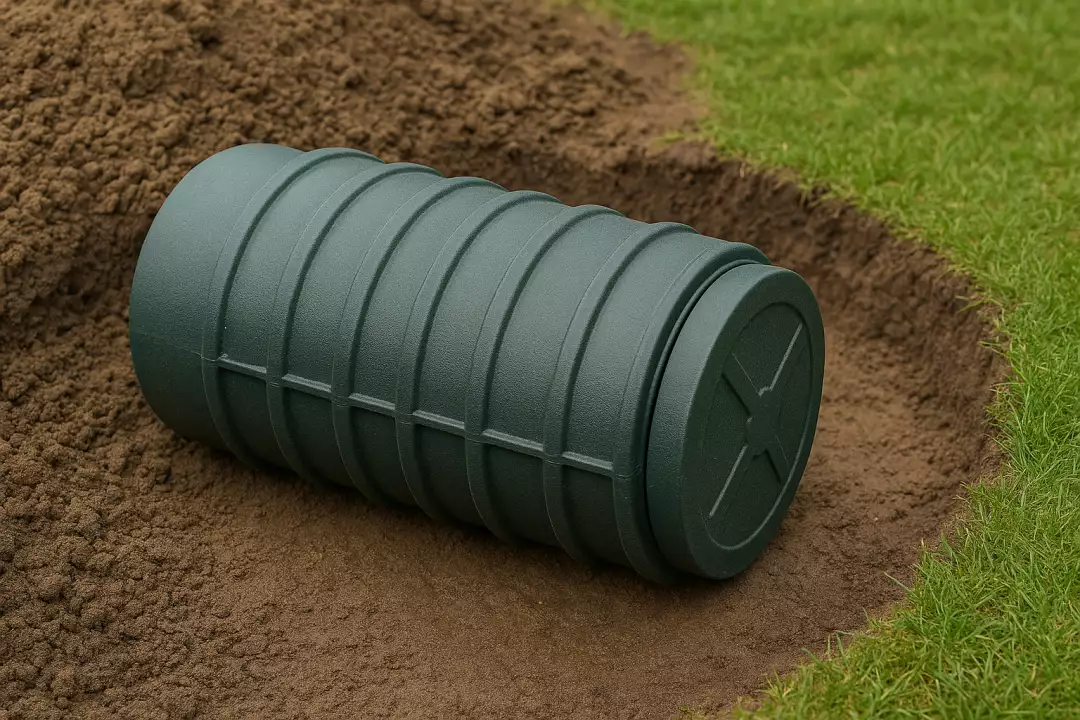
Signs Your Septic Tank Needs Professional Attention
Homes that rely on septic tanks need careful maintenance, as the system plays a vital role in handling all household wastewater. A septic tank collects, breaks down, and filters waste before releasing it back into the soil. When it is working well, most homeowners barely notice it. However, once problems begin, the consequences can be unpleasant, costly, and even hazardous to health.
Septic systems are often out of sight and therefore out of mind. Unlike a leaky tap or a noisy boiler, many early issues with a septic tank are less visible and easier to overlook. Yet the sooner problems are identified, the simpler and cheaper they are to resolve. Knowing the key warning signs and acting promptly can protect both your home and the environment.
This article explains the most common warning signs that your septic tank needs professional attention, why you should not ignore them, how to judge when to call in expert help, and the preventative steps that reduce the risk of serious failure. By understanding these points, homeowners can feel confident that their septic system is being looked after properly.
Common Warning Signs Homeowners Should Watch For
There are several signals that a septic tank may be struggling. Some are obvious, while others may appear harmless but still indicate an underlying fault. Being aware of these signs helps homeowners act before small issues turn into larger problems.
Unpleasant Smells Around the Property
One of the most noticeable symptoms is the smell of sewage inside or outside the home. Odours around drains or near the tank suggest wastewater is not being treated correctly. Heavy rain can make the smell worse as the ground becomes saturated. While sprays may cover the smell briefly, they do not solve the issue. Persistent odours almost always require professional attention.
Slow or Backed-Up Drains
Water that drains slowly from sinks, baths, or toilets may mean the tank is full or that pipes are blocked. A single blocked drain might be local, but when several fixtures are affected, the septic system is usually to blame. Wastewater backing up into the house is an emergency that must be dealt with immediately to avoid health risks.
Patches of Standing Water
Puddles or soggy ground near the drain field can point to wastewater rising to the surface rather than filtering underground. In some cases, the water may smell or look dirty, which confirms that untreated waste is leaking. Standing water is not only a sign of failure but also a direct risk to people and pets.
Unusually Lush Grass Growth
Grass that grows greener and thicker over the septic tank or drain field may be feeding on leaking wastewater. Although it may look healthy, it signals that the system is not working as it should.
Need assistance finding septic tanks near you?
Get a QuoteWhy These Problems Shouldn’t Be Ignored
It can be tempting to hope that septic issues will resolve themselves, but delaying action nearly always makes things worse. Septic tanks are designed to operate within a fine balance. When that balance is disrupted, both health and the environment are at risk.
A leaking or overflowing septic tank can release harmful bacteria, viruses, and parasites into the soil. These can travel into local water sources, including rivers, ponds, or underground supplies. If drinking water is affected, the risk to health is severe. Illnesses caused by contaminated water range from stomach bugs to more serious infections that can harm vulnerable people. For households with children or elderly residents, the risks are even greater.
Beyond personal health, the environment also suffers. Wastewater is high in nutrients such as nitrogen and phosphorus. In excess, these cause algae to spread in rivers and lakes. Algae blooms reduce oxygen in the water, killing fish and harming plants. Once this damage occurs, it can take years for the ecosystem to recover. Wildlife that relies on the water may disappear, and entire habitats can be disrupted. In some cases, property owners may even face fines if their neglected system is shown to have caused pollution.
The financial impact is also significant. Routine maintenance, such as inspections and pumping, is far cheaper than replacing a failed system. Ignoring warning signs often results in breakdowns that require major work. Acting early prevents disruption to daily life, as emergency repairs may leave you without working drains for days. Property value is another concern. Buyers often ask for inspection records, and poor maintenance can reduce the selling price of a home. In short, the cost of ignoring problems is always higher than taking action early.
When to Call a Professional vs. Temporary Fixes
Some small household clogs can be solved without expert help, but septic tanks are complex systems that demand specialist knowledge. Attempting risky fixes may make the situation worse. Knowing when to try a short-term measure and when to call in a professional can prevent costly damage.
If only one sink or toilet is draining slowly, the problem might be local. Using a plunger may be enough in these cases. However, if multiple drains are affected at once, the issue is almost certainly linked to the septic system. Strong chemical cleaners should be avoided, as they kill the bacteria that break down waste inside the tank. While the water might flow more freely for a short time, long-term damage often follows.
Professional help is needed whenever there are foul smells, standing water, sewage backflow, or suspiciously green grass above the tank. Specialists use equipment such as cameras and pumps to diagnose problems safely. They can repair pipes, clear blockages, and restore balance to the system. They are also trained to work safely, as septic tanks can produce dangerous gases that are harmful if inhaled in enclosed spaces.
For many homeowners, the decision comes down to confidence and safety. Trying a plunger on a single toilet is one thing, but digging up pipes or tampering with the tank is another. Septic tanks are delicate systems, and even small mistakes can cause expensive damage. If you are unsure, the best choice is always to call a professional. Their advice may also help prevent similar issues in the future.
How to Prevent Issues Before They Get Worse
Most septic tank failures can be avoided. Following good practices and arranging maintenance reduces the risk of emergencies and extends the life of the system. Prevention not only protects your household but also saves money and supports the environment.
Schedule Regular Inspections and Pumping
Septic tanks should be inspected every one to three years and pumped every three to five years, depending on household size and water use. Inspections reveal problems early, and pumping clears solid waste before it causes blockages. A professional may also check for leaks, examine the drain field, and ensure the system is working efficiently. These simple steps are far cheaper than emergency repairs.
Be Careful What Goes Down the Drain
Wipes, nappies, sanitary products, and paper towels should never be flushed, as they do not break down and cause clogs. Oils and fats should also be kept out of the drains, as they harden in pipes. Even food scraps and coffee grounds can cause build-up. Strong cleaning chemicals should be used sparingly, as they upset the balance of bacteria in the tank. By adjusting daily habits, you can reduce the chance of problems starting in the first place.
Protect the Drain Field
The drain field must be treated with care. Do not park vehicles or place heavy objects on top, as pressure can crush pipes. Avoid planting large trees nearby, as roots may spread into the system. Directing rainwater away from the area prevents flooding and helps maintain healthy soil conditions. Small actions such as rerouting roof gutters can make a big difference.
By adopting these steps, homeowners can prevent most common issues. Regular maintenance, sensible use of drains, and protecting the drain field ensure the septic system continues to serve the household effectively for many years.
In this article: