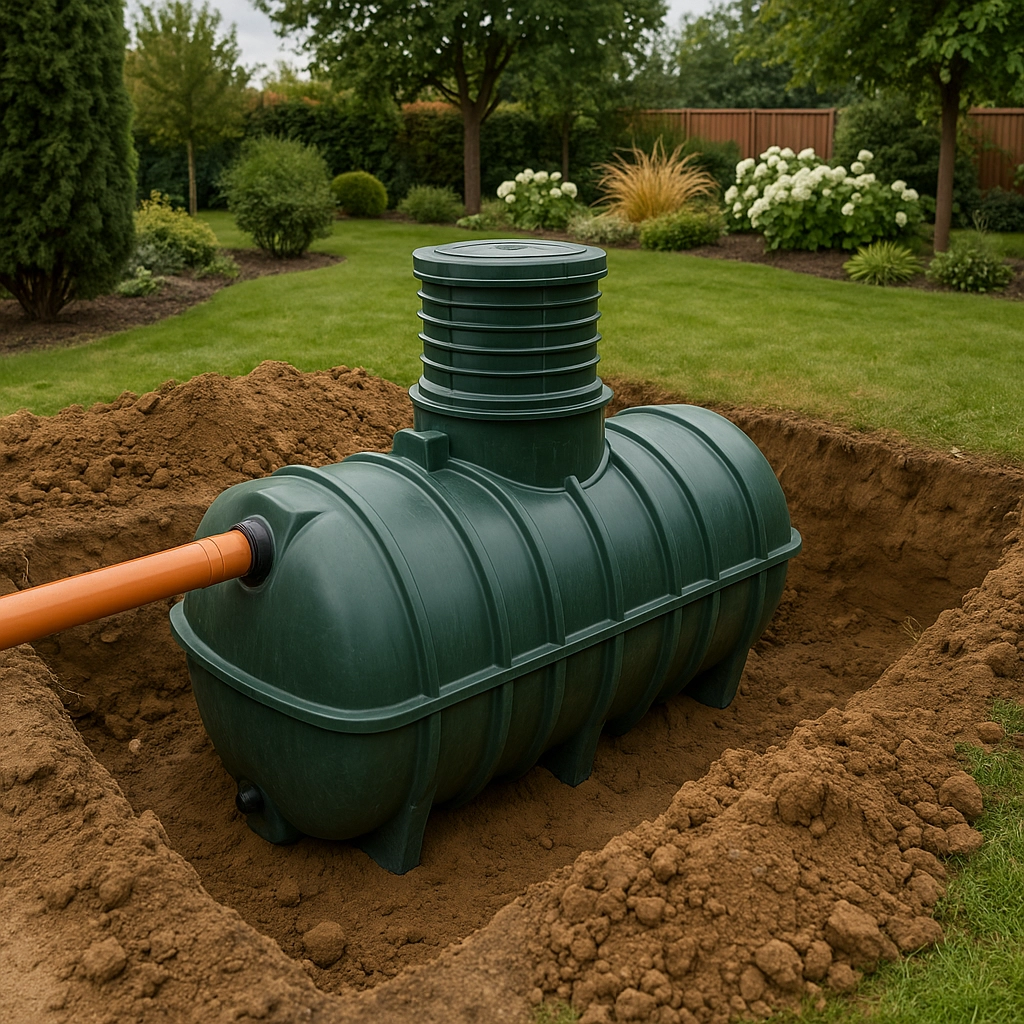
Do You Need Planning Permission for a Septic Tank in the UK?
Installing a septic tank is often essential for homes in rural parts of the UK that are not linked to the mains sewage system. These systems allow households to manage wastewater safely and responsibly, making them a common choice where connection to a public sewer is impractical. However, many people are unsure about whether planning permission is needed before installation. The answer depends on a range of factors, including the location of the tank, the scale of the system, and the possible impact on the environment.
Getting this wrong can be costly. Installing a septic tank without the right approval could lead to enforcement action, fines, or even the need to remove the system entirely. This article explains when planning permission is required, the regulations that apply, the consequences of ignoring the rules, and what homeowners should do before installation. Understanding these points will help you avoid unnecessary problems and keep your property compliant and safe.
When Planning Permission Is Required
Not every septic tank installation requires planning permission, but certain circumstances make it essential. These usually involve the sensitivity of the location, the scale of the system, or the type of development taking place. Below are the most common cases where approval is needed.
Installing in a Conservation Area
If your property is within a conservation area, national park, or an area of outstanding natural beauty, planning permission will almost always be required for a septic tank. These areas are protected to preserve their natural landscapes and historic character. Local councils are therefore stricter about any changes, including drainage systems, which can affect the look or condition of the land.
For example, an installation in a conservation village may be refused unless it is discreetly designed and placed in a way that minimises visual impact. Even the access points for emptying the tank may be subject to conditions. Homeowners in such areas should always apply for planning permission rather than risk later disputes with the local authority.
Close to Water Sources
Permission is also likely to be needed if the tank is near rivers, lakes, ponds, or drinking water supplies. This is to protect public health and prevent contamination of watercourses. Regulations normally require minimum distances between septic tanks and any water source. For example, a tank may need to be at least 10 metres from a watercourse and at least 50 metres from a drinking water borehole.
Even if the tank is further away, councils may still ask for assessments to confirm there is no risk of pollution. A system that could release waste into land that drains towards a river may face stricter conditions or be refused without additional safeguards.
Large or Commercial Installations
Domestic septic tanks that serve one household are sometimes exempt from planning permission. However, larger systems that serve several homes, commercial buildings, or businesses normally require approval. The larger the installation, the more waste it will handle, and the greater the risk to the environment if it fails. Councils therefore review applications for bigger systems more closely.
Examples include a farm using a shared septic tank for multiple cottages or a campsite with a high number of visitors. These cases often need not only planning permission but also environmental permits. Professional advice is strongly recommended for such projects.
New Builds or Major Renovations
If you are building a new house or carrying out a large renovation, planning permission for a septic tank will almost always be necessary. This is because the system is seen as part of the wider development, and councils need to assess the entire project together. Soil conditions, drainage capacity, and the effect on nearby properties will all be taken into account before permission is granted.
For example, a new build on clay soil may need special drainage arrangements to ensure the septic tank functions properly. Including these details in your application from the beginning avoids problems later.
Need assistance finding septic tanks near you?
Get a QuoteBuilding Regulations and Environmental Rules
Even when planning permission is not required, building regulations and environmental rules still apply. These regulations are designed to protect health, safety, and the environment, and they are legally binding. Building regulations cover how the system is built and installed, while environmental rules focus on how waste is treated and discharged.
Septic tanks must be watertight, durable, and positioned where they can be accessed easily for emptying. Ventilation is required to prevent gases from building up, and the system must be designed to avoid leaks that could contaminate soil. Installers must also ensure that the tank is suitable for the size of the property and the number of people living there.
Environmental rules are equally strict. Since January 2020, septic tanks are no longer allowed to discharge directly into surface water such as rivers or streams. Instead, they must discharge into a drainage field, which filters the water naturally, or be replaced with a small sewage treatment plant that treats the water to a higher standard. This change was introduced to reduce water pollution and protect wildlife habitats.
Homeowners are also legally responsible for ensuring their system does not cause pollution. If wastewater escapes into nearby land or water and damages the environment, the Environment Agency can issue fines or demand that the system be replaced. Regular inspections and professional maintenance are therefore essential to keep the system working correctly.
Consequences of Not Getting Permission
Failing to obtain planning permission or ignoring building regulations can lead to serious problems. Local authorities can order the removal or alteration of unauthorised systems, which often involves digging up the tank and starting again. This can cost thousands of pounds and cause major disruption.
Fines may also be imposed for breaching planning laws or causing pollution. These penalties can be substantial, especially if the system has already caused damage to water supplies or wildlife. In addition to fines, you may be required to cover the cost of repairs or environmental clean-up work.
Another issue is property sales. Buyers and mortgage lenders usually ask for evidence that a septic tank is compliant with regulations. If you cannot provide proof, the sale may be delayed, cancelled, or renegotiated at a lower price. This can leave homeowners facing significant financial losses.
Beyond financial and legal risks, unauthorised septic tanks can cause harm to communities. Pollution can affect drinking water, damage local ecosystems, and create unpleasant smells or health risks for neighbours. For these reasons, councils and agencies take enforcement very seriously.
What Homeowners Should Do Before Installation
Before installing a septic tank, homeowners should follow several important steps. These steps help ensure that the system is legal, safe, and long-lasting.
Check Local Requirements
The first step is to contact your local council for guidance. Rules can vary slightly between areas, so it is best to get written confirmation. Councils can also provide advice on whether an environmental permit is needed in addition to planning permission. Having this information in advance can save you both time and money.
Hire a Qualified Installer
Septic tanks should always be installed by qualified professionals. An experienced installer will know how to design the system, select the best location, and ensure compliance with regulations. Many installers also assist with paperwork and permission applications, which can make the process much smoother. Hiring a professional reduces the risk of costly mistakes and gives you confidence that the system will work properly for years to come.
Plan for Maintenance
A septic tank is not a fit-and-forget system. It needs regular maintenance, including emptying every one to three years, depending on usage. Poor maintenance can lead to blockages, leaks, and unpleasant odours. Keeping records of servicing is useful, as councils or buyers may ask for proof of upkeep. Regular care extends the life of the tank and prevents costly repairs or replacements.
In summary, some septic tanks require planning permission, particularly in sensitive areas or for larger developments. Even if permission is not needed, building regulations and environmental laws still apply. By checking requirements with your local council, hiring a professional installer, and planning for regular maintenance, you can ensure that your septic tank is safe, legal, and effective. Taking these steps protects the environment, saves money, and maintains the long-term value of your property.
In this article: