How Much Does Septic Tank Emptying Cost in the UK?
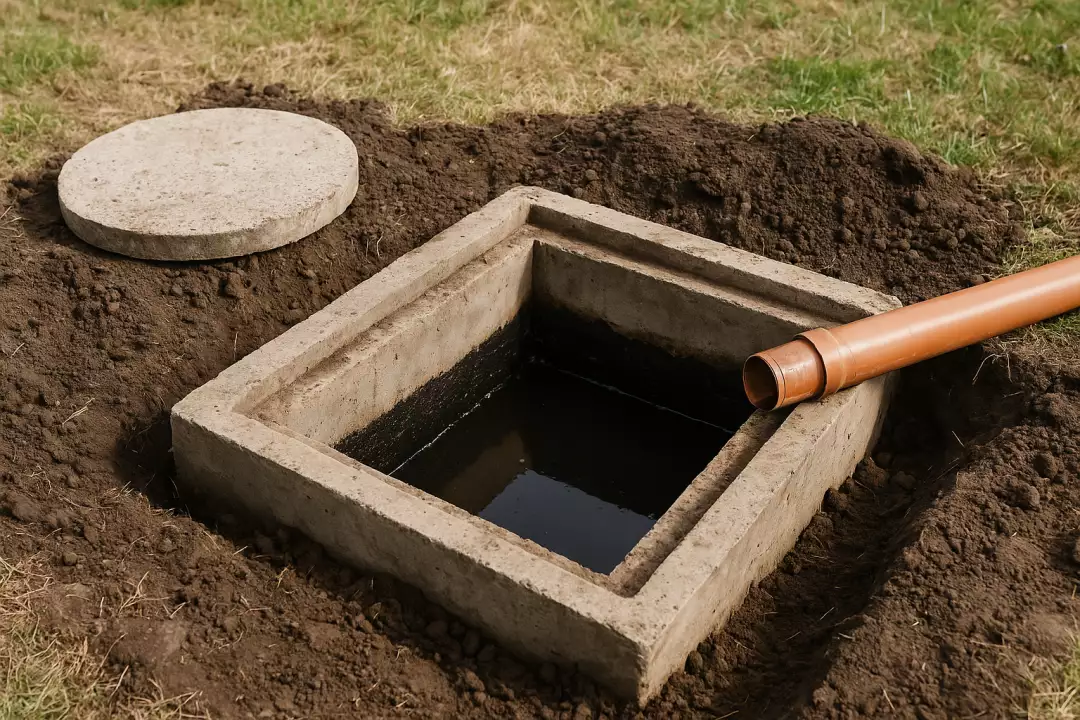
Septic tanks serve homes that are not linked to mains drainage. They collect waste water, let solids settle, and pass clearer liquid to a soakaway or drainage field. To keep everything working well, the tank needs emptying on a routine schedule. If you wait too long, sludge builds up, drains slow, smells develop, and there is a higher risk of overflow. Planning for the cost is part of owning this kind of system.
This guide explains what changes the price, the average cost you can expect in the UK, extra fees that sometimes appear on a quote, and simple ways to save money without cutting corners. It is written in clear language so you can compare options and budget with confidence.
Main Factors That Influence the Cost
Prices vary because every site and septic tank is different. Tank size, design, access, waste condition, and when you book the visit can all affect the final bill. Knowing these points helps you judge quotes fairly and avoid surprise charges.
Tank size and type
Size matters because time on site and disposal fees rise with volume. A small domestic Septic Tank under about 4,500 litres is faster to pump and cheaper to dispose of. A larger unit of 9,000 to 10,000 litres or more needs more time, bigger vehicles, and higher disposal costs. That leads to a higher price for the same visit.
Type also plays a role. A single chamber tank is usually a quick job. A multi chamber or linked system takes longer because each part must be cleared safely. If the tank has been left too long, the sludge base can become compacted. That makes pumping slower and can need extra tools to loosen the material before it can be removed.
Location and access
Easy access keeps the cost down. If the tanker can park close to the lid, the crew can set up quickly and start pumping. When the tank sits at the back of a long garden, behind fences, or under decking, the team needs more time. Many firms include a standard hose length in their base price. If they must run extra hose around buildings or across lawns, they may charge by the metre.
Some rural sites add further limits. Narrow lanes, soft ground, or steep tracks can make large tankers slow or risky to use. The crew may need smaller vehicles or a shuttle approach to move waste to a larger tanker on the road. Bad weather can also keep heavy vehicles off grass, which adds time and cost.
Waste volume and condition
The condition of the waste makes a difference. Tanks that are emptied regularly tend to hold more liquid waste, which pumps out quickly. Tanks that are overdue often have thicker sludge and crust. This needs more passes and sometimes agitation to break up the mass. If wipes, fats, or other items that do not break down have been flushed, the inlet or outlet can block, which also adds time to the job.
Urgent or out of hours services
Planned weekday visits are normally cheapest. If the tank is backing up into the house or has started to overflow, you may need an urgent call out. Evening, weekend, and bank holiday visits usually carry higher rates. Booking ahead and keeping to a simple schedule is the best way to avoid these premiums.
Need assistance finding septic tanks near you?
Get a QuoteAverage Cost of Septic Tank Emptying in the UK
For most homes, the cost to empty a Septic Tank is between £150 and £300. This usually covers pumping, transport, and licensed disposal at an approved site. The exact figure depends on tank size, access, local labour rates, and how easy the waste is to remove.
As a guide, small tanks under 4,500 litres often cost £150 to £200. Medium tanks of 4,500 to 9,000 litres are commonly £200 to £300. Larger tanks, or systems that serve more than one house, can be £300 to £450 or more. Some providers price by volume, with a fixed fee up to a set capacity, then a charge for each extra 1,000 gallons. If you know your tank size, you can match your quote to the right tier and avoid guesswork.
Extra Costs You Might Encounter
The base price covers the core job, but there are extras that can appear. Asking about these early helps you compare quotes on a like for like basis and plan your budget.
Jetting is a common add on. If the sludge is compacted or there are stubborn deposits, high pressure water may be used to break up the waste so it can be pumped safely. This often has a set fee or an hourly rate. Extended hose runs beyond the standard length are sometimes billed per metre. Extra time can also appear on invoices where the lid is buried, covered by paving, or hard to open, or where the team must dig to find it.
Labour costs can rise if the crew needs to remove rusted bolts, cut through old covers, or wait for access because of parked cars, locked gates, or pets. Rural areas may see added travel charges or a call out fee if the site is far from the depot or the disposal facility. Where access is tight and shuttling is needed, the extra trips will increase the cost. Checks and repairs are outside basic emptying too. A CCTV survey to investigate repeated smells or backups can add a notable sum, but it can also prevent bigger repair bills later. Drain cleaning, new lids, risers to bring access to ground level, or fixing cracked pipes will be itemised as separate work.
h2>How to Save Money on Septic Tank Emptying
Emptying is unavoidable, but you can reduce how often it is needed and keep charges fair. Good habits, careful product choices, and simple maintenance make the biggest difference. The aim is a healthy system that is quick to service and less likely to need emergency help.
Spread out water usage
Septic tanks cope best with steady flows, not sudden surges. Try not to run several baths or laundry loads back to back. Spread them through the week so the system can process waste calmly. Fix dripping taps and running toilets, as small leaks add up to many litres a day. Fit low volume showerheads and dual flush toilets to cut water use without losing comfort. Less water in means the tank fills more slowly, so the gap between empties can be longer.
Use septic friendly products
The bacteria inside a Septic Tank help break down waste. Strong bleach, harsh disinfectants, and high phosphate cleaners can harm these microbes and slow the process. Choose septic safe products where you can and use only what you need. Never flush wipes, nappies, cotton buds, sanitary products, or fats and oils. These items do not break down and can cause blockages that are costly to clear. In the kitchen, wipe greasy pans with paper before washing and put the paper in the bin.
Plan regular maintenance
Regular care keeps surprises away. Most homes plan to empty every one to two years, depending on tank size and how many people live there. Families with frequent guests, or homes with small tanks, may need yearly service. Keep simple records of dates, invoices, and notes from the crew, and book the next visit at the right time.
Before the tanker arrives, make access easy. Clear the route to the lid, unlock gates, and keep pets indoors. If the lid is buried, uncover it to save labour charges. Ask for a receipt that shows how much waste was removed and where it was taken. Some providers offer service plans with reminders and fixed prices. Spreading the cost across the year helps with budgeting, and planned visits reduce the chance of urgent call outs.
In this article: