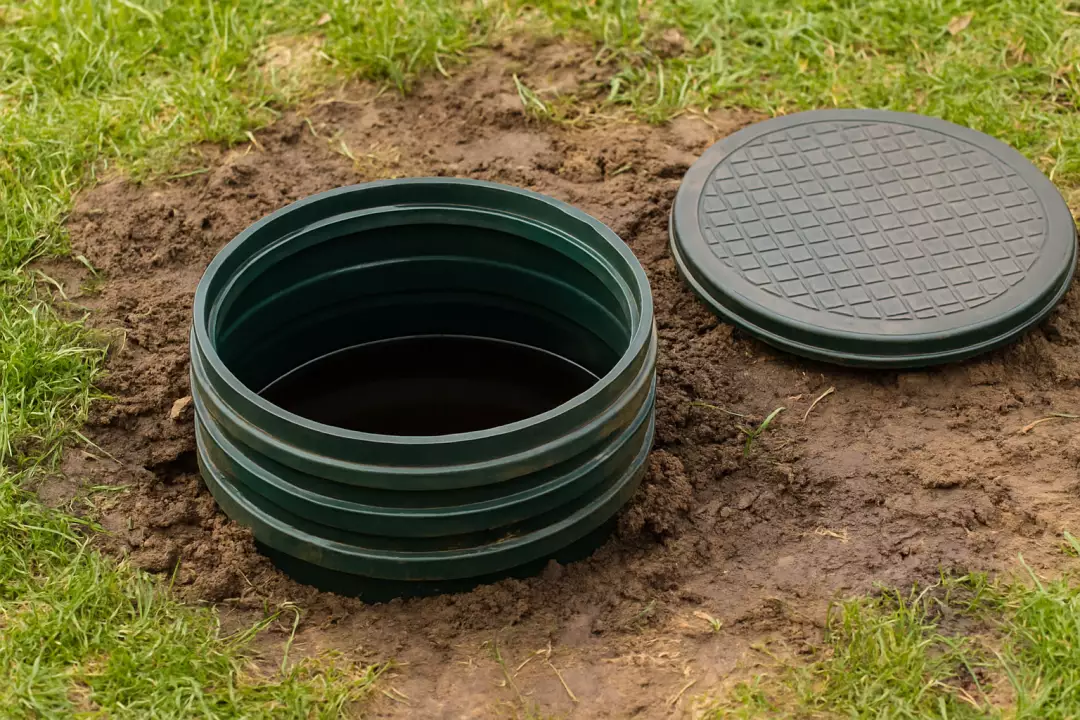
How Often Should a Septic Tank Be Emptied in the UK?
What UK Regulations and Guidelines Say
How often should a septic tank be emptied in the UK? This is one of the most common questions asked by homeowners who are not connected to the mains sewer system. Septic tanks are designed to collect and treat wastewater safely, but they require regular emptying to remain effective. Over time, layers of solids build up at the bottom while fats and grease float to the top. If these are not removed, the tank loses capacity, blockages develop, and foul smells can spread around the property.
The general advice in the UK is to empty a septic tank every three to five years. This is a reliable guide for most properties, but it is not a strict rule. Some tanks need emptying more often, particularly those serving large families or houses with smaller tanks. Others may last longer between services if they are larger or used by fewer people. Understanding what affects the timing, along with the regulations in place, helps homeowners manage their systems effectively.
What Affects How Often a Septic Tank Needs Emptying
There is no single answer for how often a septic tank should be emptied. Several factors affect the schedule, and understanding them helps homeowners set realistic expectations and avoid emergencies.
Tank Size
The capacity of the tank is one of the main factors. A larger tank can store more waste and therefore needs less frequent emptying. A small tank fills much faster, often requiring annual attention. Many older houses were built with tanks sized for smaller households, and these may not be adequate for today’s lifestyles. If you have extended your home or increased the number of residents, your tank may now be undersized. This leads to shorter intervals between emptying and sometimes the need to upgrade the system entirely.
In some situations, installing a larger tank or switching to a sewage treatment plant is more efficient. These systems provide greater capacity and more reliable performance, which reduces the risk of frequent problems.
Household Size and Water Use
The number of people in the property is one of the strongest indicators of how quickly a tank fills. A single occupant might only need emptying every five years, while a family of six could need it every two years or even sooner. Each bath, shower, toilet flush, and washing cycle adds to the volume. Regular visitors or guests also contribute to increased use.
Water use habits also matter. Some households are careful with water, running only essential loads and keeping showers short. Others may have long showers, multiple appliances in use daily, and heavy laundry schedules. These habits place much greater pressure on the septic system. By monitoring your water use, you can estimate more accurately how often your tank will need attention.
Waste Type and Disposal Habits
Septic systems are designed to handle natural waste. Problems start when non-biodegradable items are flushed. Wipes, nappies, sanitary products, cotton buds, and paper towels do not break down properly and lead to rapid build up. Even when labelled as flushable, these items can still cause blockages and reduce the efficiency of the system.
Another common issue comes from pouring fats, oils, and food waste down kitchen sinks. These substances harden inside pipes and form thick layers in the tank. Over time, this reduces space for liquid and accelerates the need for emptying. Strong household chemicals such as bleach and drain cleaner can also harm the bacteria that naturally break down solids in the tank. Without this balance, waste builds up more quickly. Good disposal habits are one of the best ways to extend the time between emptying.
Local Conditions
The area where you live affects how your septic system functions. Soil type plays an important role. Clay soil drains poorly and puts extra strain on the system. Sandy soil drains quickly but can allow untreated waste to reach groundwater if the tank is not well maintained. In colder climates, bacterial activity slows down, which reduces the breakdown of solids and increases sludge levels.
High rainfall and flooding also add pressure. If your property
Need assistance finding septic tanks near you?
Get a QuoteWhat UK Regulations and Guidelines Say
UK regulations exist to make sure septic tanks do not damage the environment or create health risks. Homeowners are responsible for keeping their systems in good order. Regular emptying is part of this duty. Most guidance suggests a schedule of three to five years, but this is not a rule that applies to everyone. Larger households and smaller tanks often need more frequent services, and annual inspections are strongly recommended to detect problems early.
In England, the General Binding Rules introduced in 2020 banned septic tanks from discharging directly into rivers, streams, or ditches. Systems that do must be replaced or upgraded with a compliant drainage field or sewage treatment plant. Similar rules apply in Wales, Scotland, and Northern Ireland, though they are managed by different agencies. These rules make clear that septic tanks must be properly maintained to prevent pollution.
Only licensed waste carriers are allowed to remove sludge from septic tanks. This ensures the waste is transported safely to an approved treatment facility. Hiring an unlicensed operator is against the law and risks fines, as well as environmental harm. Reputable contractors will provide paperwork to confirm that the job has been carried out properly. Homeowners should keep these documents as proof of compliance.
In addition to emptying, inspections are advised every one to two years. These checks help identify cracks, leaks, or root damage. Spotting these issues early prevents expensive repairs and avoids pollution problems. By following the rules and recommendations, households can be confident their system is safe, legal, and reliable.
How to Stay on Top of Septic Tank Emptying
Managing septic tank maintenance is easier with a clear plan. The first step is to know your tank size, household size, and water use. With this information, you can estimate how often the tank will need emptying and arrange a schedule that suits your needs.
Keeping a record of each service is strongly advised. Write down the date, the contractor, and any notes about the tank’s condition. Over time, this record gives you a clear picture of how often emptying is required. It is also a valuable document if you decide to sell the property, as it reassures buyers that the system has been properly maintained.
Set reminders so you do not forget your next service. Some professional contractors offer reminders themselves, but if not, add a note to your calendar. Booking ahead avoids the stress of dealing with an overflowing tank or sudden emergency.
Most importantly, always use licensed professionals. Septic tank emptying requires specialised equipment and training. Attempting to do it yourself is not safe and is against the law. Professionals not only remove sludge safely but also check the system for any faults. Paying for expert care ensures compliance with UK regulations and keeps your household safe.
Signs Your Septic Tank Needs Emptying Sooner
Even with a planned schedule, septic tanks sometimes need emptying earlier than expected. Watching out for these warning signs helps you act before serious damage occurs.
Slow Drains and Gurgling Sounds
If sinks, toilets, or showers drain slowly, it may be because the tank is nearly full. Gurgling noises from the pipes are another early warning sign. While one slow drain could be a local blockage, if the problem affects several drains, it is likely the septic system itself that needs attention.
Unpleasant Odours and Pooling Water
Bad smells near drains, toilets, or above the septic tank area suggest the system is overloaded. Pools of water on the ground or lush green patches in the garden can mean wastewater is escaping. These are strong signs that the tank must be emptied quickly and inspected for faults.
Sewage Backups Inside the Home
The most serious warning is sewage backing up indoors. Wastewater coming into sinks, toilets, or showers is dangerous and shows the system has failed. This requires immediate professional action to make the property safe and prevent long-term damage. If this happens, do not delay in arranging an urgent service.
In this article: