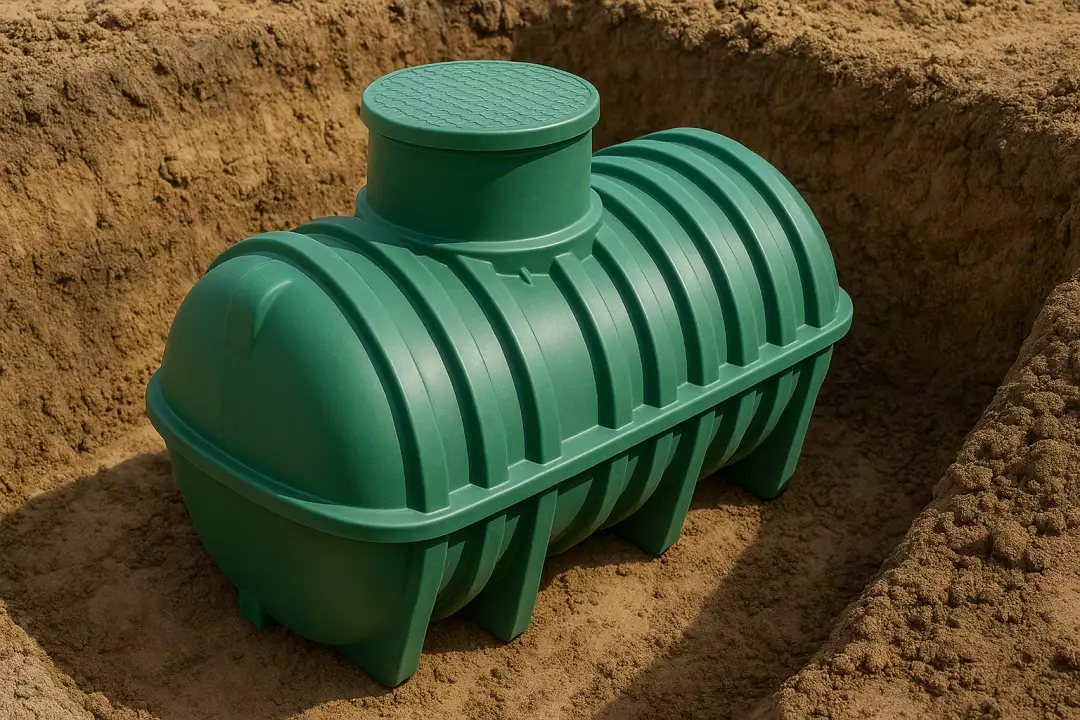
Septic Tank Regulations in the UK: What Homeowners Need to Know
Septic tanks are common at rural homes and small sites that are not linked to the public sewer. They collect and settle household wastewater so that solids sink and scum rises, then the liquid passes on for safe dispersal. Because the liquid can carry germs and nutrients, the way it is treated and released is tightly controlled across the UK. Knowing the rules helps you protect the environment and avoid costly mistakes.
In simple terms, your system must be designed, installed and used so that it does not pollute land or water. It must suit the size of the property and the ground conditions, and it must be maintained so it keeps working as intended. Rules apply to where the liquid goes, how often the system is serviced, and what you need to do if you sell your home or make changes. The guidance in this article gives a clear picture of what most homeowners need to understand.
The UK has separate environmental regulators in England, Wales, Scotland and Northern Ireland. They share the same goals of preventing pollution and protecting public health, but some procedures differ. In general you must prevent untreated effluent from entering streams, rivers or ditches. You must also keep your system within its design limits and repair faults promptly. If you are not sure, ask a competent professional to assess the system and explain your options.
Key Rules Every Homeowner Should Understand
Many requirements sit under a simple idea. Your septic tank or treatment plant can operate without a permit if it meets set conditions and does not cause pollution. If it cannot meet those conditions, or if you discharge in a sensitive place, you will need permission. The points below cover the rules that matter most for households.
Where the liquid can and cannot go
Septic tanks must not discharge directly to surface water such as a stream, river, lake or ditch. A septic tank only settles wastewater and does not treat it fully, so releasing that liquid to a watercourse can harm wildlife and carry disease. The normal route for a septic tank is a drainage field in the ground, made of perforated pipes in shallow trenches. The liquid trickles through the soil, where natural microbes provide treatment, but only if ground tests show the soil is suitable.
If a discharge to surface water is planned
If you want to discharge to surface water, you usually need a small treatment plant that is certified to the relevant British Standard. When a treatment plant is used, the final effluent can sometimes be released to a watercourse if the site is suitable and all conditions are met, and the outfall must not cause visible pollution, odour or nuisance. Some sites are sensitive, for example near protected waters or water supply sources, and in these places you may need permission before work starts.
Sizing, standards and siting rules
Your system must be big enough for the number of people who live at the property, and new systems should comply with recognised standards such as BS EN 12566 for small treatment plants. Drainage fields should follow current British Standards for layout, depth and spacing. Keep suitable distances from buildings, boundaries, wells and surface water, and set out the system so that vehicles cannot crush it. Meeting these standards helps prove that the work is competent and that the system is likely to perform as expected.
Need assistance finding septic tanks near you?
Get a QuoteThe Role of the Environment Agency
The Environment Agency regulates discharges in England. Its guidance explains when you can operate under general rules and when you must apply for a permit. In simple terms, if your system is small, well maintained and correctly sited, it will often fit within the general rules. If the site is sensitive or if there has been pollution, the Agency can require a permit or ask for upgrades.
The Agency also carries out checks. Officers may visit if there is a complaint about smells or pollution, or if a watercourse shows signs of poor quality. They can ask to see evidence of maintenance and can sample the outfall from a treatment plant. If they find a risk to the environment, they will set out what you must do and by when. In serious cases they can take formal action and issue fines.
In Wales, Scotland and Northern Ireland, the roles are carried out by their own national regulators. The basic principles are the same. Prevent pollution, use systems that are fit for purpose, and keep good records. If you live close to a protected water body or in a groundwater protection zone, expect tighter controls and seek advice before making changes.
Upgrades and Replacement Requirements
Many older homes still have basic septic tanks that once discharged to a nearby ditch or stream. That route is no longer acceptable. If an outfall from a septic tank reaches surface water, the usual solution is to replace the tank with a small treatment plant or to redirect the flow to a correctly designed drainage field in the ground. A site survey will confirm which approach is possible for your property.
Replacement is also the right choice when a tank is damaged, undersized or in the wrong place. Cracked chambers, missing lids and tree root damage can let groundwater in and sewage out. Tanks too close to buildings or water sources can pose safety and health risks. When you replace a system, choose certified products, follow standards for installation, and make sure the installer provides a layout plan and manuals.
Some upgrades are simple. Fitting a filter on the tank outlet can reduce solids going to the drainage field. Adding a sample chamber on the outlet of a treatment plant makes checks easier. Redirecting roof water away from the drainage field protects its capacity. Even small changes can extend the life of the system and reduce the chance of costly excavation later.
Staying Compliant as a Homeowner
Staying on the right side of the rules is mostly about good habits. Know what system you have, use it as intended, and keep basic paperwork. The steps below will help most households stay compliant year after year.
Operation, maintenance and desludging
All septic tanks and treatment plants need regular care. Solids build up over time and will pass through if not removed. Most household tanks need desludging at least once a year, although very small or very large households may follow a different interval. The safest approach is to follow the maker’s guidance and adjust based on inspection results. Always use a licensed waste carrier to take away the sludge and ask for a waste transfer note for your records. Do not flush items that do not break down easily, such as wipes, sanitary products, cotton buds or fats. These can block the system and cause odours.
Check your system and keep a simple file
Create a short record that shows where the tank, plant, drainage field and outfall sit within your plot. Keep invoices for emptying and service visits, and keep any certificates or permits in the same place. Once or twice a year, walk the route of the pipes and the drainage field and look for wet patches, lush growth in dry weather, or odour near covers. If you see problems, book an inspection with a competent contractor before the issue gets worse.
Plan ahead for changes to your home
Before you build an extension, add a bedroom, or convert a garage with plumbing, check the impact on your system. Extra people mean extra flow, so it is easier and cheaper to upgrade a tank or treatment plant while other building works are underway. If your plans change the location of driveways or garden areas, protect the drainage field by keeping heavy traffic away from it. If the site is in a sensitive area, seek advice early so that any permission can be built into the plan.
In this article: