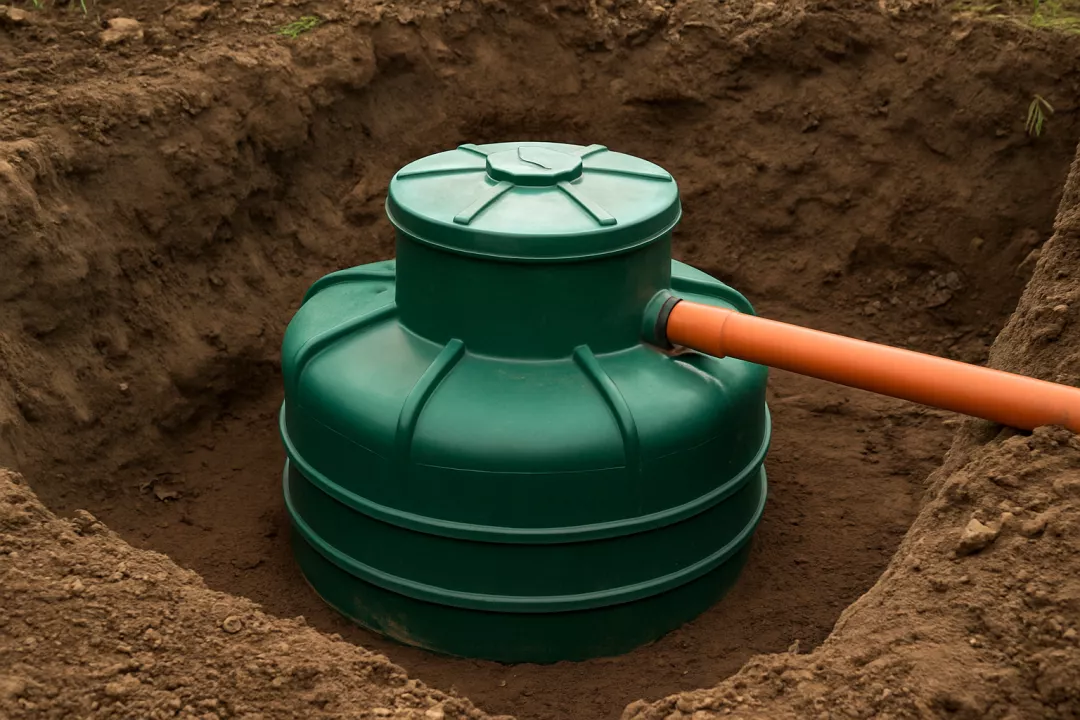
The Most Common Septic Tank Problems and How to Avoid Them
Septic tanks keep homes that are off the mains sewage network clean and safe. When they work well, they quietly separate solids, treat wastewater, and allow the liquid to soak into the ground. Many households rely on them every day without much thought until a small issue begins to grow.
This article sets out the most common septic tank problems and how to avoid them. It explains why faults occur and what can happen if they are left to develop. With a few simple habits and a plan for upkeep, you can reduce the chance of breakdowns and protect your home, garden, and local streams.
Typical Septic Tank Issues Homeowners Face
Septic tanks can suffer a range of faults. Some are linked to daily habits, while others are due to the weather or the land around the system. Most problems show warning signs before they become serious. Here are the typical issues and the signs to watch for.
Blocked or Slow Pipes
Blockages often start with what goes down sinks and toilets. Grease, oils, coffee grounds, wipes, dental floss, and sanitary items do not break down in the tank. They cling to pipe walls, gather more debris, and narrow the flow.
Common signs include gurgling sounds, slow-draining basins, and strong smells near drains. A plunger might ease a small clog, but repeated trouble suggests a deeper issue in the pipe run or at the inlet. Ignoring early warnings can lead to backups inside the home.
Scum and Sludge Build-up
Inside the tank, light materials form a scum layer at the top and heavy solids settle as sludge at the bottom. If the tank is not emptied at suitable intervals, these layers grow and leave less space for treatment. Solids can then wash into the soakaway and clog the soil.
Signs include greener grass over the soakaway, standing water near the tank, or frequent alarms if you have a pump. A professional can measure the layers and advise when a pump-out is due. Regular emptying protects the drainage field and reduces the risk of failure.
Drainage Field Failure
The drainage field, or soakaway, allows treated effluent to seep into the soil where microbes complete the process. If the soil becomes clogged with solids or biofilm, the effluent cannot disperse. The field becomes saturated, puddles appear, and in wet weather the system may overflow.
Poor siting on heavy clay, compacted ground from parking, or a high water table can all reduce performance. In some cases, the field reaches the end of its life. Fixes may include soil aeration, redirecting surface water, or installing a new drainage field.
Tree Root Intrusion and Structural Damage
Roots move towards moisture and nutrients, so they often target pipe joints and small cracks. Over time, they can prise joints apart and fill the pipe with a mass of roots. Tanks may also crack due to ground movement or heavy loads from vehicles.
Watch for repeated blockages in a single run, depressions in the ground, or a tank lid that no longer sits level. Root cutting can provide a temporary fix, but long-term protection may require rerouted pipes or barriers. Where structural damage is found, a professional assessment is essential.
Need assistance finding septic tanks near you?
Get a QuoteWhy Septic Tank Problems Happen
Septic tank problems often arise from usage, maintenance, and site conditions. Overloading is common. If large volumes of water enter the system in a short time, solids are stirred and pushed onward before they can settle. This occurs when several baths, showers, and laundry loads run back-to-back. The remedy is to spread water use throughout the week and fix leaks so constant trickles do not overwhelm the tank.
Poor maintenance is another major cause. Every tank produces sludge and scum. If these layers are not kept under control, they reduce the working volume of the tank and prevent it from separating waste properly. Most households need a pump-out every three to five years, though large families or small tanks may shorten that timetable.
Incorrect disposal plays a part too. Strong doses of bleach and harsh chemicals can harm the microbes that treat waste. Cooking oils and food scraps do not belong in the drain. The system is designed for human waste, water, and normal toilet paper only.
Site factors can add strain. Heavy rain can flood the soil around the tank and drainage field. When the ground is saturated, effluent cannot soak away and the tank level rises. Cold snaps can freeze shallow pipes and form ice plugs. Tanks that were not sized or sited to suit the household may also struggle.
Consequences of Ignoring Septic Tank Issues
Leaving a septic tank problem to run on rarely ends well. Minor symptoms can hide a failure that will cost more to fix later. The first consequence is damage inside the home. Wastewater that backs up into sinks, showers, and toilets can stain surfaces, cause odours, and expose residents to bacteria.
There are environmental risks too. Effluent that escapes from a faulty tank or drainage field can reach ditches and streams. Nutrients in the water encourage algal growth, which reduces oxygen and harms wildlife. Contamination can travel with groundwater and may affect private wells. Local authorities can issue notices if a system causes pollution.
Finally, there is the financial impact. Routine servicing and emptying are modest compared with the price of emergency callouts, excavation, or a full replacement. A well-cared-for system can last for decades. A neglected one can fail early and become a costly source of stress.
How to Keep Your Septic Tank Working Properly
With sensible care, your septic tank can provide reliable service for many years. Simple habits, planned maintenance, and clear records make the difference. The steps below will help you look after the system and avoid the usual pitfalls.
Adopt Smart Daily Habits
Only flush the three Ps, which are pee, poo, and paper. Keep wipes, cotton buds, and sanitary products out of the toilet. In the kitchen, wipe pans with a paper towel before washing and collect fats and oils in a container for the bin. Use a sink strainer to catch food scraps. Run dishwashers and washing machines with full loads and choose eco settings that use less water.
Spread laundry through the week rather than doing everything on one day. Repair dripping taps and running toilets to prevent constant inflow. Outside, direct roof downpipes away from the drainage field so stormwater does not flood the soil. Mark the location of the tank and pipes, and keep vehicles away from the area.
Plan Regular Maintenance
Book an inspection if you have moved into a home with a septic tank or if you cannot remember the last service. A qualified contractor can check baffles, lids, and pipework, measure scum and sludge, and advise on the right interval for emptying. Keep a simple log with dates of inspections and pump-outs. This history helps future decisions and can support property sales.
Ask your contractor about suitable cleaning products. Ensure lids are secure and child safe. If your system includes a pump or alarm, test it as advised and make sure the alarm can be heard.
Know When to Seek Professional Help
Call a professional if you notice frequent blockages, slow drains in several rooms, sewage smells outdoors, bright green grass over the drainage field, or standing water near the tank. These are not normal and suggest the system is under strain. Early expert advice can stop a small problem from becoming a failure.
If your property is near a watercourse or in a sensitive area, check the latest rules on discharges and consents. A reputable installer can survey the site, explain your options, and provide a plan that suits the soil and the size of the household.
Good habits, steady maintenance, and timely help all add up. With these in place, your septic tank will run quietly, protect your home and the environment, and give you peace of mind.
In this article: