How Do Septic Tanks Work? A Beginner’s Guide for Homeowners
Many homes across the UK rely on septic tanks, yet their day-to-day workings often remain a mystery. A septic system sits quietly underground, taking in wastewater from toilets, sinks, showers, and appliances. It separates, treats, and disperses that water in a way that keeps people safe and protects the local environment.
If your property is not connected to mains drainage, understanding how a septic tank works can save stress and money. It can also help you use water sensibly and spot problems early. This beginner-friendly guide explains the essentials, shows the treatment steps, and shares simple care tips so your system keeps running smoothly.
The Basics of Septic Systems
Before you look at the detailed process, it helps to know the main parts and how they fit together. A septic system is a private wastewater solution designed for homes without a connection to public sewers. The system must match the household size and local ground conditions, or it will not work properly.
Main Parts of a Septic System
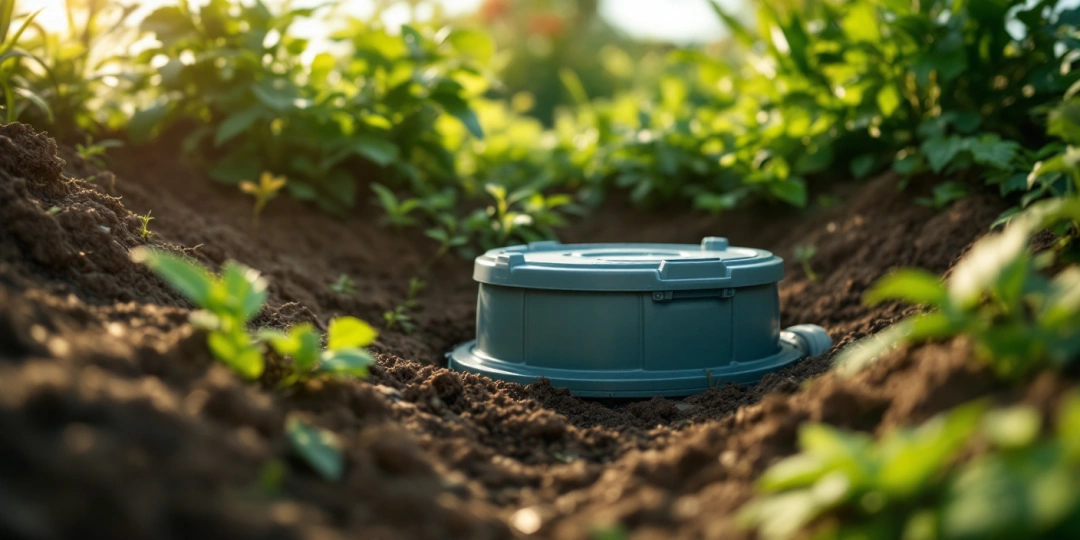
The system has two key elements. The first is the septic tank, a watertight chamber that holds incoming wastewater long enough for solids to settle and fats to float. The second is the drainage field, sometimes called a soakaway, which releases the clarified liquid into the soil in a controlled way. Pipes and inspection points link these parts and allow testing and maintenance.
Inside the tank, three layers form naturally. Heavy solids sink to the bottom, forming sludge. Grease and oils collect at the top as a scum layer. The liquid layer in the middle is the effluent that flows out to the drainage field. Bacteria living in the tank begin to digest the sludge, which reduces the build-up between routine pump outs.
How the Septic Tank Works
Wastewater enters the tank from the house and slows down in a calm space. The slowing allows gravity to do the first stage of treatment by separating solids from liquids. Baffles at the inlet and outlet help keep solids inside the tank where they belong. As bacteria break down organic material, gases are vented through the building’s plumbing, and the clarified effluent moves on to the next stage.
The tank does not sterilise the water. Instead, it removes most solids and a good share of organic matter. The real polishing happens in the drainage field. This two-stage approach is why a sound tank and a healthy drainage field are both essential to protect nearby streams and groundwater.
The Role of the Drainage Field
From the tank, the effluent flows to perforated pipes laid in trenches over clean stone or modular crates. The liquid seeps out slowly and spreads through the surrounding soil. As it passes through the soil, natural microbes remove remaining pathogens and nutrients. The soil acts like a living filter that completes the treatment safely.
Good soil conditions are vital. Sandy or loamy soils usually drain well, while heavy clay can hold water and cause pooling. In areas near a watercourse, extra care is needed to avoid pollution. A competent installer will check percolation rates, groundwater depth, and any local rules before sizing and siting the system.
Need assistance finding septic tanks near you?
Get a QuoteThe Step-by-Step Process of Wastewater Treatment
First, wastewater travels from your home into the septic tank. The flow slows and solids settle, while lighter materials rise and form a scum cap. Baffles and tees guide the water and prevent turbulence that would stir up sludge. Natural bacteria begin to digest the solids, which reduces volume and odour. The clearer liquid in the middle layer is then ready to leave the tank for further treatment.
Second, the effluent enters the drainage field through perforated pipes. The layout spreads the flow over a wide area so the soil is not overwhelmed. As the water moves through soil pores, it meets a complex mix of microbes and minerals. These remove harmful bacteria, viruses, and nutrients through filtration, adsorption, and biological action. This step is the heart of treatment and is the reason the field must be sized and located correctly.
Third, the cleaned water returns to the local groundwater or evaporates from the soil surface. When a system is sized well, the final water is safe for the environment. If the tank is neglected or the field is flooded, untreated water may surface or back up into the house. Keeping the system healthy prevents those failures and protects your property and neighbours.
Why Septic Tanks Are Important for Homes
Septic tanks give independence to homes that sit far from public sewers. They enable comfortable living in rural and edge-of-town locations by handling wastewater on-site. Without them, households would face high costs and serious health risks from poorly managed waste. A working system supports daily routines, from morning showers to laundry days, without drawing attention to itself.
They also protect public health and nature. Properly treated effluent limits the spread of disease, keeps streams clear, and reduces nutrient loads that can harm wildlife. In many areas, the rules that cover septic systems exist to guard drinking water sources. Meeting those rules is not just a legal matter. It is a practical way to look after your family and community.
Finally, when a system is designed and maintained well, it can serve a home for decades. Routine checks and sensible habits cost far less than emergency repairs or a full replacement. A little knowledge helps you make informed decisions, plan servicing, and recognise when to call a professional before small issues grow.
Looking After Your Septic Tank
A septic system is robust, but it does need care. Regular checks, mindful water use, and quick action on early signs will extend its life. The tips below offer simple steps any homeowner can take to keep a system in good order all year.
Regular Pumping and Inspections
Arrange routine pump outs to remove the sludge that bacteria cannot digest. Most households need pumping every three to five years, though larger families or small tanks may need it sooner. During a visit, a professional can measure layer depths, test baffles, and confirm the outlet filter is clear. Keeping records of dates and findings makes it easier to plan the next service.
Inspections also include checking the drainage field for soggy patches, lush grass growth, or standing water. These can signal that the soil is saturated or that effluent is not dispersing correctly. Early action might be as simple as fixing a leaky loo or improving water use patterns to reduce daily flow.
Everyday Good Habits
Think before you flush. Nappies, wipes, cotton buds, and sanitary items belong in the bin, not the drain. In the kitchen, collect fats and oils in a container and dispose of them in the rubbish rather than pouring them down the sink. Choose cleaning products labelled as septic safe and use them sparingly so you do not harm the helpful bacteria.
Spread out laundry loads and showers to avoid sending a large volume of water at once. Fix dripping taps and running toilets promptly, as even small leaks can add hundreds of litres each week. If your home has a water softener or a sump pump, ask an expert about the best way to route discharge so the system is not overloaded.
Spotting Early Warning Signs
Watch for slow drains, gurgling sounds, or sewage smells indoors or near the tank and field. Look for bright green growth over the drainage area, which can point to excess nutrients at the surface. If you notice any of these, call a qualified engineer or installer. Acting quickly usually prevents bigger damage and avoids disruption to daily life.
It also pays to plan for heavy rain. During wet spells, try to reduce water use and keep vehicles off the field to prevent soil compaction. Keep the roof water and surface drains directed away from the area so the ground can do its job of filtering the effluent.
With sensible care and timely servicing, your septic tank will work quietly in the background for many years. The result is a safe, reliable, and efficient system that supports your home and protects local waterways. A little attention today makes a big difference for tomorrow.
In this article: