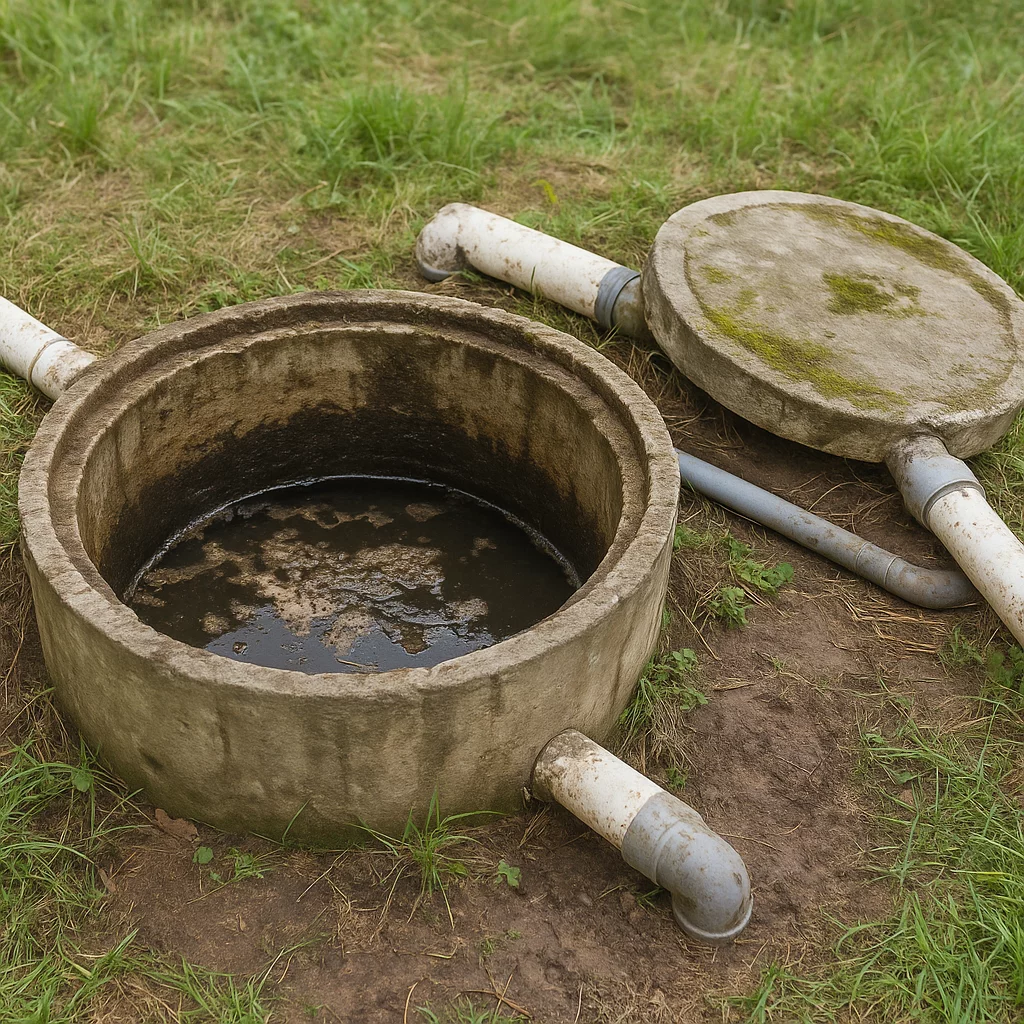
The Hidden Costs of Neglecting Your Septic Tank
Many homeowners only think about their septic tank when something goes wrong. At first, it can seem as though the tank is working away quietly with no need for attention. Because the system is buried underground and out of sight, it is easy to forget that it requires routine care. Unfortunately, ignoring maintenance usually leads to much larger problems later on, and these problems rarely come cheaply.
A septic system is not just a container for waste. It is a working system that breaks down sewage, separates solids from liquids, and filters wastewater back into the ground. When this process is disrupted, the consequences spread far beyond unpleasant smells. The hidden costs include health risks, property damage, environmental harm, and high repair bills.
This article will explore the hidden costs of neglecting your septic tank. It explains the common problems caused by poor maintenance, the way small issues grow into expensive ones, and how a failing septic system can affect both your home’s value and your quality of life. By understanding these risks, you can take simple steps to protect your property and avoid paying far more than necessary in the future.
Common Consequences of Poor Septic Maintenance
When a septic tank is not looked after, problems build up slowly until they reach a tipping point. Some signs are obvious, such as foul smells, while others may take years to appear, such as structural damage. The following are some of the most common and costly consequences of neglecting septic maintenance.
Unpleasant Odours and Backups
One of the earliest signs of a problem is the smell of sewage inside the home or in the garden. Drains may start to run slowly, and in worse cases, sewage can back up into sinks, showers, or toilets. These situations are stressful, unhygienic, and difficult to manage. Families may find themselves unable to use bathrooms or kitchens for days while waiting for emergency repairs.
What begins as a simple blockage that could have been solved with regular pumping can develop into a full system failure. The inconvenience, combined with the embarrassment of strong odours, makes this one of the most unpleasant results of poor maintenance.
Environmental Damage
A neglected septic tank often leaks untreated wastewater into the soil. This water contains harmful bacteria, chemicals, and nutrients that can spread into streams, rivers, or wells. The contamination can kill fish, harm plants, and damage local ecosystems. In rural areas, where many homes depend on private wells for drinking water, this can lead to serious health problems.
Cleaning up pollution is expensive and sometimes involves legal consequences. Homeowners may be fined or forced to pay for restoration work. The cost of this far outweighs the small expense of routine septic care.
Structural Issues in the Home
Excess water from an overflowing tank can saturate the soil around it. When this happens near the foundations of a house, the ground can weaken. Over time, cracks may appear in walls, driveways may sink, and garden buildings may tilt. Repairing foundations or major structural elements is one of the most expensive jobs a homeowner can face.
What might have been avoided with a scheduled inspection often becomes a major construction project. Not only does this involve high costs, but it also disrupts family life for weeks.
Health Risks
Untreated sewage carries dangerous bacteria, viruses, and parasites. Direct contact, even in small amounts, can cause stomach illnesses, skin infections, or more serious conditions. Children playing in the garden and pets roaming outside are especially at risk. In severe cases, sewage contamination inside a home can force families to leave until professional cleaners have restored the property.
Maintaining a septic tank is not only a matter of saving money. It is also about protecting health and reducing the risk of illness.
Need assistance finding septic tanks near you?
Get a QuoteHow Neglect Increases Long-Term Expenses
Some homeowners delay septic maintenance to avoid the cost of a service visit. However, this short-term saving quickly disappears when problems develop. Neglecting septic care is one of the most expensive decisions a homeowner can make. The longer a system is left without attention, the higher the eventual repair bills become.
A simple pump-out every few years might cost a few hundred pounds. Compare this to the cost of replacing a drainfield, which can run into tens of thousands. If the tank itself cracks or collapses, the price of installing a new one is far higher. These expenses often arrive suddenly, leaving families with little choice but to use savings.
Neglect also increases the risk of insurance claims being rejected. Many insurers will not pay for damage caused by poor maintenance. This means the full cost falls on the homeowner. Over the lifespan of a property, regular servicing is the most affordable option. It turns a potential disaster into a predictable expense.
It is also worth noting that poorly maintained systems fail more often, leading to repeated repair bills. In contrast, a well-maintained tank can last for decades with very few issues. The choice is between spending a small amount regularly or paying large sums unexpectedly.
The Impact on Home Value and Livability
A failing septic tank can reduce the value of a property. Buyers are often put off by the thought of expensive repairs or the possibility of unpleasant smells. Even if a buyer is interested, they may demand a discount once they learn the system has not been maintained. Estate agents often highlight septic condition as a key factor in rural sales.
Livability is also affected. A home with sewage smells, soggy patches in the garden, or unreliable plumbing is far from comfortable. Families may be embarrassed to invite guests or avoid using certain bathrooms. In the worst cases, ongoing health risks make the home unsafe.
Landlords with rental properties face extra challenges. Tenants have the right to live in a safe and hygienic home. If a septic system fails, they may demand repairs, request rent reductions, or even take legal action. The damage to reputation can make it harder to attract new tenants in the future.
Ultimately, a neglected septic system makes a property harder to sell, harder to rent, and harder to enjoy. By comparison, a well-cared-for system is almost invisible. It works silently in the background, allowing the household to run smoothly without stress.
Simple Steps to Avoid Hidden Costs
The good news is that avoiding these hidden costs is straightforward. Septic tanks do not require constant attention, but they do need basic care at regular intervals. By following a few simple steps, homeowners can keep their system healthy and avoid unexpected expenses.
Regular Pumping and Inspections
Experts recommend that most septic tanks be pumped every three to five years. This clears out solid waste that builds up inside. Skipping this step allows solids to overflow into the drainfield, where they can block pipes and cause major failures. Alongside pumping, inspections are vital. A professional can spot cracks, leaks, or signs of wear before they turn into emergencies. Keeping a record of services is also useful when selling a home, as it reassures buyers.
Responsible Waste Disposal
Another simple way to extend the life of a septic tank is by being careful about what goes down the drains. Only flush human waste and toilet paper. Items such as wipes, nappies, or sanitary products do not break down in the tank. Instead, they block pipes and create clogs that are difficult to remove. In the kitchen, avoid pouring cooking oils, fats, or coffee grounds down the sink. These materials harden inside pipes and reduce efficiency.
Protecting the Drainfield
The drainfield is where wastewater is filtered safely back into the soil. Keeping it healthy is as important as looking after the tank itself. Never park cars or heavy machinery on the drainfield, as this can crush pipes underground. Plant only grass or shallow-rooted plants above it, since deep tree roots can grow into the system and cause damage. Finally, direct rainwater or roof drains away from the area, because too much water can overwhelm the system.
By taking these steps, homeowners can prevent the hidden costs of septic tank neglect. Regular care is simple, affordable, and far less disruptive than the problems that come from ignoring the system. A little effort every few years protects the home, saves money, and ensures a safe and comfortable living environment.
In this article: