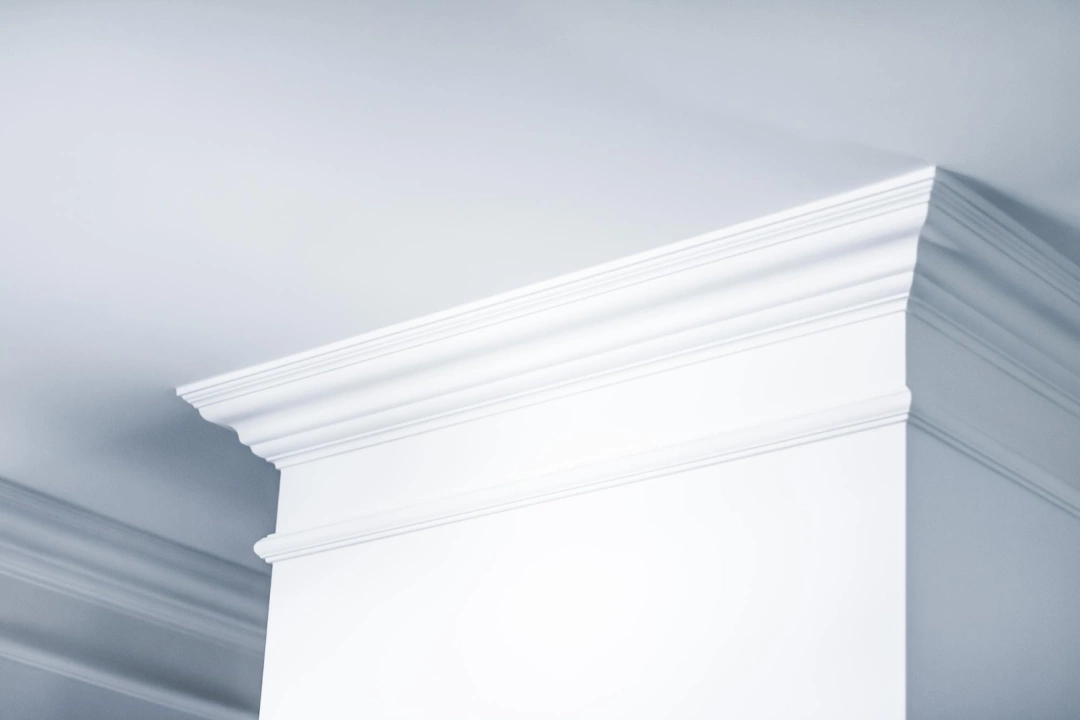
Cornice and Moulding Costs Explained: Materials, Installation and Value
Cornices and mouldings are decorative features that can transform a plain room into a space with real character. They have been used for hundreds of years, from Georgian and Victorian properties to modern homes, to create a sense of finish and refinement. Today, they remain popular not only for their style but also for the value they can bring to a property.
Before starting a project, it is important to understand the different costs involved. These features vary in price depending on the material, design, and amount of labour required. By knowing the main factors that influence cost, you can make informed choices and avoid unexpected surprises during installation.
This article explains what affects the cost of cornices and mouldings, provides examples of typical prices in the UK, and shows how to weigh initial spending against long-term value. It also shares practical tips for saving money without compromising on quality. With this knowledge, you will be better prepared to budget for your project with confidence.
What Influences the Price of Cornices and Mouldings?
The price of decorative features like cornices and mouldings depends on several important factors. These include the type of material chosen, the size and shape of the room, the complexity of the design, and how the mouldings are installed. Looking at each of these helps explain why costs can vary so widely.
Material Choice
Plaster is the most traditional material and is valued for its authentic, high-quality finish. However, it is heavy, time-consuming to install, and normally requires a professional tradesperson. This makes it the most expensive choice overall. Polyurethane is lightweight, cheaper, and easy to handle, making it a popular modern alternative. MDF is also affordable and smooth to paint, but it can swell or lose shape in damp areas. Timber sits between MDF and plaster in terms of cost, offering a natural look that works well in both modern and period settings.
For example, if you are restoring a Victorian property, plaster may be the best choice to match the existing style. However, if you are working with a tight budget or a modern home, polyurethane or MDF could give you a similar effect at a much lower price.
Size and Coverage
The amount of material required has a direct effect on price. A small bedroom may only need a few metres of coving, while a large lounge with bay windows and long runs of ceiling could require double or triple the amount. Rooms with high ceilings or complex layouts often involve more cutting and adjustments, which adds to both material and labour costs.
As an example, a small room of around 10 square metres may need 12 to 15 metres of moulding, while a large open-plan living area of 30 square metres could need over 40 metres. The difference in material alone could add £200 or more to the final bill.
Design Complexity
Basic coving with smooth, curved edges is the most affordable option. More decorative cornices with layers, floral patterns, or bespoke profiles cost more because they require greater precision to produce and fit neatly. Matching historic features can add even more cost if custom moulds need to be made, which is often necessary in listed or period homes.
If you choose a plain polyurethane coving, you may pay as little as £3 per metre, while an ornate plaster cornice could cost £25 per metre or more. This difference quickly adds up across an entire room.
Installation Method
Lightweight mouldings can often be fitted using adhesive, which keeps installation quick and affordable. Plaster and timber usually require nails, screws, or special supports while being fixed, which takes longer and increases labour costs. The tradesperson’s experience also matters. A general decorator may charge less, but a skilled plasterer specialising in heritage work will charge more because of the level of detail and precision required.
Need assistance finding coving, cornice and mouldings near you?
Get a QuoteTypical Costs for Materials and Labour in the UK
When budgeting for cornices and mouldings, it helps to know the usual price ranges for materials and labour. Prices vary depending on location, room size, and complexity, but there are common figures that can act as a guide.
Polyurethane is usually the cheapest, costing between £3 and £5 per metre. MDF ranges from £5 to £10 per metre. Timber options cost more, often between £8 and £15 per metre, depending on the type of wood. Plaster is the most expensive, at £10 to £20 per metre, but detailed or bespoke plasterwork can cost much more. For an average living room requiring 20 metres of moulding, the material cost alone could be anywhere from £60 for basic polyurethane to £400 or more for plaster.
Labour is typically charged by the hour or by the metre. Rates vary from £20 to £40 per hour, while per-metre costs often range from £5 to £15. A small bedroom could cost £150 to £300 in total, while a large lounge with decorative plaster mouldings could exceed £1,200 once all materials, labour, and finishing are included.
Homeowners should also budget for preparation and finishing. Removing old mouldings, plastering walls, or painting the new cornices all add to the final cost. These extra steps are often overlooked but can account for 10 to 20 percent of the overall spend. For example, if your project is quoted at £600, you may realistically spend £700 once preparation and painting are included.
As a general guide, expect to spend £250 to £600 for a standard living room with simple mouldings, and between £800 and £1,500 for more ornate plaster installations. These figures can vary, which is why comparing quotes is always recommended.
Balancing Cost with Long-Term Value
When choosing mouldings, it is worth thinking about long-term value as well as upfront cost. Well-fitted cornices can enhance the look and feel of a room, often making it more appealing to buyers if you plan to sell. In period properties, installing authentic plaster mouldings can even increase the property’s value by restoring its original charm.
Durability is another important consideration. Polyurethane and MDF are affordable but may not last as long, especially in damp or busy areas. They may need to be replaced sooner, which reduces their long-term value. By contrast, plaster and timber often last for decades with only minor upkeep such as repainting. Although they cost more at the start, they can save money in the long run by avoiding frequent replacements.
A balanced approach is often best. For example, you might install plaster cornices in main rooms such as the lounge or dining area, where they are most visible and have the biggest impact. Simpler polyurethane options can be used in bedrooms or hallways, keeping costs down without sacrificing style in the key spaces. This method allows you to balance cost and value effectively.
Maintenance should also be part of your decision. High-quality mouldings usually only need repainting every few years, while cheaper ones may chip or warp and need replacing sooner. Thinking about how the material will perform over time helps ensure you get the best return on your investment.
Smart Ways to Save Money on Cornices and Mouldings
Even though cornices can be costly, there are several ways to reduce expenses without sacrificing quality. Careful planning, choosing the right materials, and comparing quotes can all help you stay within budget.
Choose Cost-Effective Materials
If you like the look of plaster but cannot justify the expense, polyurethane and MDF are excellent alternatives. They are lightweight, easy to install, and once painted, look very similar to plaster. Because they are simpler to handle, labour costs are often lower as well. For many homeowners, these options provide the right balance of price and appearance.
Mix and Match Across Rooms
Not every room needs the same level of detail. Investing in ornate plasterwork for a lounge or dining room while choosing simple coving for bedrooms and hallways helps stretch your budget further. This approach ensures that the most visible spaces have a high-quality finish, while less-used rooms are completed at a lower cost.
Plan Ahead and Compare Quotes
One of the best ways to save money is to gather multiple quotes before choosing a tradesperson. Prices can differ greatly, and comparing them ensures you are getting good value. Clear planning also avoids costly changes during the project. Knowing the design, lengths, and finish you want helps suppliers and fitters give more accurate estimates.
Some homeowners also consider a do-it-yourself approach. Lightweight mouldings such as polyurethane can be fitted by confident DIY enthusiasts, saving on labour costs. However, it is important to be realistic. Poor installation can lead to gaps or uneven joints, which may spoil the appearance and cost more to correct later. For complex or plaster designs, hiring a professional is usually worth the expense.
In this article: