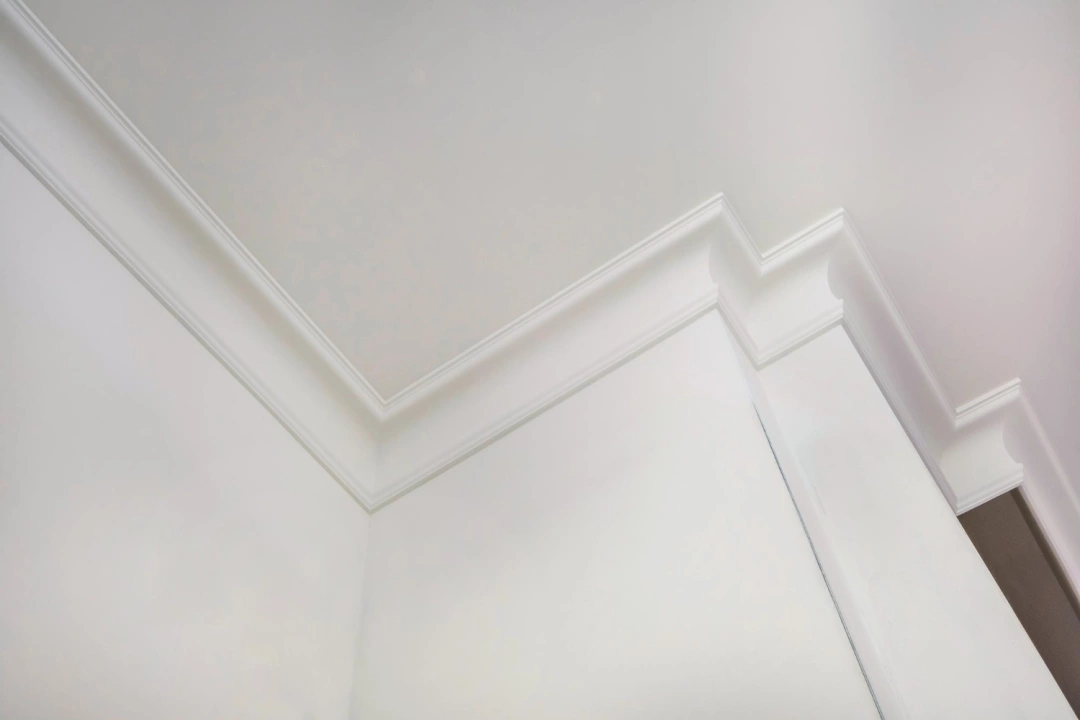
What Is Coving and Why Should You Use It in Your Home?
Coving is a shaped strip that sits neatly where the wall meets the ceiling. It softens the joint, hides small flaws, and gives the room a more finished look. You may also hear people call it cornice, although cornice can be larger and more detailed in some homes.
In simple terms, coving is a design tool that frames your space. It guides the eye around the room and helps the ceiling feel tied in with the walls. Whether you live in a new build or a period home, there is a coving style that can fit your rooms and tastes.
Beyond the look, coving can make a room feel calmer and more complete. It sets a gentle curve or a crisp angle at the edges, which makes paint lines tidier and the whole space feel more deliberate. Many people choose coving because it delivers a clear visual upgrade without major building work.
Coving has also stood the test of time. It was used in grand historic houses to add elegance, and now finds its place in modern homes for its simple charm. The fact that it continues to be popular today shows how versatile and lasting this small detail really is.
The Basics of Coving
Before you pick a profile or book an installer, it helps to know what coving is made from, which shapes are common, and how to size and fit it well. These basics will make your choice easier and help you get a clean finish.
What Coving Is Made From
Modern coving is usually made from plaster, polyurethane, or polystyrene. Plaster gives a classic, solid feel and can be very sharp in detail, which suits period features and formal rooms. Polyurethane is light, tough, and smooth, so it is popular in busy homes where ease of fitting and durability matter. Polystyrene is the lightest option and can be cut with simple tools, which makes it a common pick for quick DIY projects.
Each material has strengths. Plaster offers a weight and feel that many people associate with quality, while polyurethane combines strength with convenience. Polystyrene is best if you want speed and ease. Knowing these differences makes it simpler to match the product to your budget and your skills.
Styles and Profiles
Coving comes in many profiles. The cove shape is a clean, concave curve that suits modern rooms. The ogee has an S-shaped sweep that feels more traditional. There are also square-edged trims for a crisp, contemporary line, and detailed cornices with steps or dentils for a bolder statement. Choosing a profile is about matching the shape to your interior, ceiling height, and taste rather than chasing the most ornate design.
Sizes and Proportions
Size matters with coving. Small rooms and lower ceilings often look best with slimmer profiles, as they keep the room feeling open. Taller rooms can take deeper coving, which balances the height and adds presence. A simple guide is to start small and step up in size if the room still feels bare. If in doubt, test with offcuts held in place to judge the effect.
Installation and Finishing
Fitting coving involves careful measuring, accurate mitre cuts, and strong adhesive or mechanical fixings. Lightweight materials are easier to lift and hold while the adhesive sets, so they are popular for DIY. Plaster coving is heavier and often needs two people and more fixings. Once in place, fill any joints, lightly sand, then prime and paint. Many people paint the coving the same colour as the ceiling for a calm, unified look, although a soft contrast can work well in bright spaces.
Need assistance finding coving, cornice and mouldings near you?
Get a QuoteHow Coving Enhances Your Home’s Style
Coving adds quiet character. A plain room can feel boxy and stark, but a gentle curve or strong line at the edges gives it shape and purpose. The ceiling is no longer a blank lid. Instead, the junction becomes a design feature that adds rhythm to the space.
In modern interiors, smooth coving pairs well with clean paint finishes and simple furniture. It rounds off the room without drawing too much attention to itself. In older homes, a deeper or more detailed cornice can echo skirting boards, picture rails, or period fireplaces. This link between features makes the style of the home feel consistent and honest.
Coving also helps with colour. By creating a small transition zone, it softens the line between wall and ceiling colours and makes cutting in easier. If you like bold walls with a white ceiling, coving can prevent the edge from looking harsh. It also frames wallpaper or feature paint in a way that feels neat and intentional.
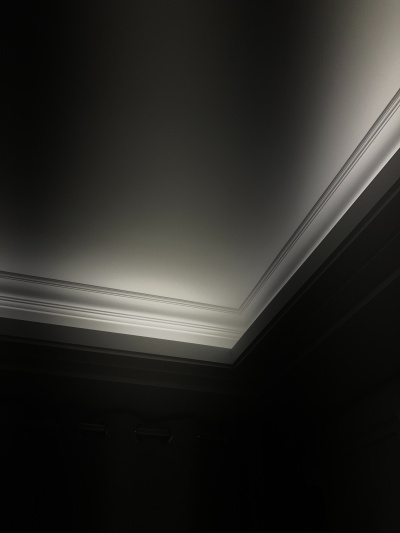
Lighting benefits too. Some profiles are designed to work with hidden LED strips. The light washes across the ceiling and down the wall, which adds depth and a gentle glow in the evening. Even without built-in lighting, coving can enhance the look of pendants, ceiling roses, and chandeliers by giving the ceiling a more graceful outline.
Over time, this small design choice creates harmony in your home. Each room feels thought through and cared for, which helps build a style that lasts. It is a detail that speaks quietly but has a strong effect.
Practical Benefits of Adding Coving
Coving hides hairline cracks that often appear where walls meet ceilings as a building moves with the seasons. Instead of chasing cracks each year, you get a tidy, stable edge. Paint also tends to sit better on a primed coving surface than on raw jointing compound, which makes touch-ups simpler.
The edges of rooms take knocks from furniture and daily life. Coving helps guard those upper corners from minor scuffs and dents, especially in halls and living rooms where traffic is high. It provides a small buffer that keeps finishes looking smarter for longer.
Maintenance is straightforward. A wipe with a damp cloth removes dust and the odd mark. Most modern coving is moisture-resistant once painted, so it can be used in kitchens and bathrooms with good ventilation. If a section is damaged, it can be cut out and replaced without major disruption, then filled and repainted to blend in.
Coving is also cost-effective. Compared with new flooring, fitted storage, or opening up rooms, it delivers a visible change for a modest cost. The material price varies by type and size, but even quality profiles are affordable when set against the impact they create across a whole room or entire floor.
This practicality means coving is not just a pretty extra. It is a functional choice that gives long-term ease. It can even reduce decorating stress because it provides a neat border that is simple to refresh as your tastes or needs change.
Reasons to Consider Coving in Your Home
There are clear reasons many homeowners choose coving. It raises the look of a room, solves small defects, and adds a sense of care. If you want a project that makes daily living spaces feel calmer and better finished, coving is worth a serious look.
It Works Across Styles and Ages
Coving is one of the rare details that suits both a modern flat and a Victorian terrace. A slim curve keeps a contemporary space sleek, while a stepped or ogee profile respects older features. Because profiles come in many sizes, you can tailor the look from subtle to bold without changing the rest of the room.
It Simplifies Decorating and Upkeep
Painting is easier with coving in place. You have a defined edge to follow and a small tolerance for slight wobbles in the brush line. Over time, minor settlement cracks stay out of sight, which means fewer repairs and repaints at the hardest part of the room to reach. If you update wall colours in future, the primed coving surface accepts fresh paint without fuss.
It Adds Value Through Care and Finish
Buyers and guests notice tidy details. Rooms with well-chosen coving feel considered, which can lift the overall impression of a home. Even if you are not selling soon, living with a space that looks finished and calm is a real, daily benefit. When set against the relatively low cost, the value case is strong.
Choosing coving is not about chasing trends. It is about giving your rooms a clear frame and a gentle polish that lasts. With the right profile, a sensible size, and careful fitting, coving delivers both beauty and utility in equal measure. Start with one room, learn what suits your home, and then carry the same language through the spaces you use most. This gradual approach spreads cost and effort while giving you steady progress towards a more refined home.
In this article: