Cornice vs Moulding: What’s the Difference?
When you plan a room update, small choices can have a big effect on the final look. Many people talk about coving, cornice and mouldings as if they are the same thing, yet each plays a slightly different role. Knowing these roles helps you pick the right detail for your walls and ceilings so the room feels finished and calm.
This guide explains how cornice and moulding compare, where they are used, and what styles they suit. It also looks at the background of these features in buildings, the materials on offer today, and what to expect in terms of cost and fitting. By the end, you will feel confident about choosing and combining Coving, Cornice And Mouldings to match your home and your budget.
Key Features That Set Cornice and Moulding Apart
At first glance, the difference can seem small. Both add a neat line and a touch of character. Yet placement, profile, and purpose set them apart. A closer look will help you plan the right mix for each room, whether you prefer a clean modern feel or a classic style with layered detail.
Shape and Function
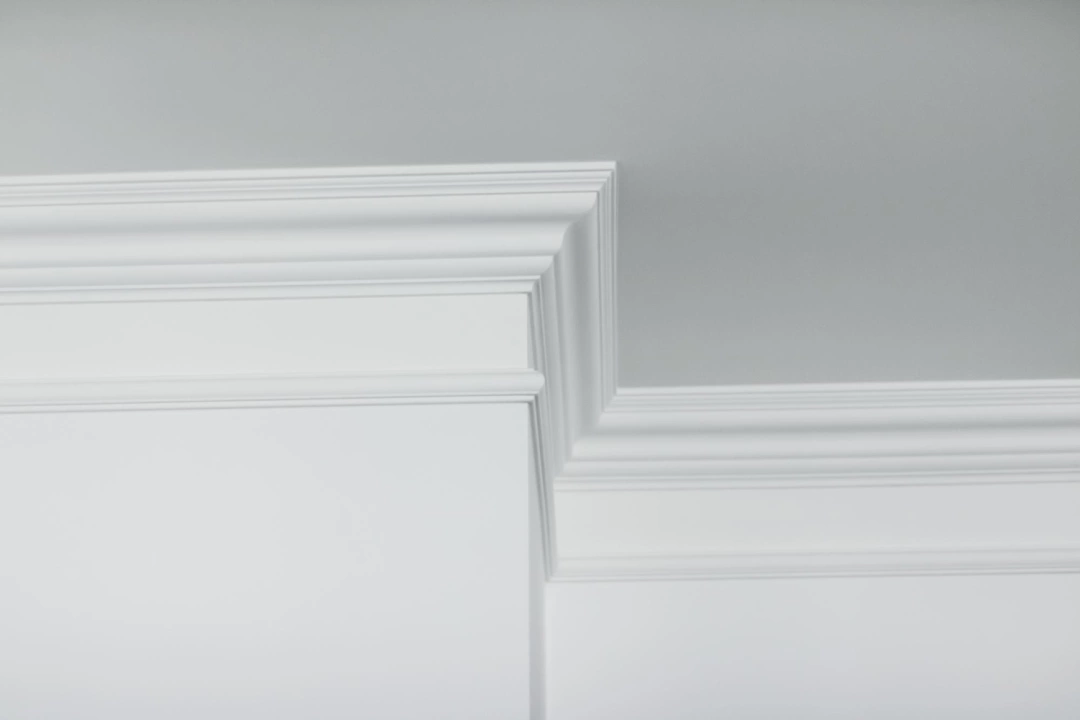
A cornice sits at the junction between the wall and the ceiling. Its curves or steps soften the corner and draw the eye around the room. Because it follows the perimeter, it acts like a frame at the top of the walls and can make ceilings seem a little higher.
Architrave frames a door or a window. Moulding is a broader term. It covers trim used on walls, doors, windows and ceilings. Skirting protects the base of the wall. Picture rail and dado rail split the wall into pleasing sections. Ceiling mouldings can sit near the cornice to layer detail, or they can form panels that echo shapes on floors and doors.
Design Variety
Cornices often show dramatic shapes because they sit high and read strongly. Simple coving, which is a type of cornice, offers a smooth concave curve that suits modern homes. Mouldings span a wider field, from slim square trims that hide cracks to profiles with leaves, beads, or fluting.
Both come in ranges that suit most homes. You can pair a modest cornice with plain skirting for a minimal look, or choose a deeper cornice and a tall skirting to give the room weight. Mixing scales is often the key to balance.
Placement in the Home
Because a cornice lives at the ceiling line, it has a strong effect on how tall a space feels. A deeper profile suits rooms with generous height, while shallow coving keeps small rooms from feeling crowded. Mouldings are flexible. They can run horizontally to change how your eye reads the height of a wall, or they can frame features such as fireplaces and doorways.
In open plan spaces, mouldings can also help zones feel defined without erecting walls. A picture rail can link seating areas across a wider room.
Impact on Interior Style
A bold cornice lends a room a sense of occasion. A simple cornice or coving softens hard angles in modern schemes and makes the junctions feel clean. Mouldings control rhythm along the walls and around openings. Even a plain square edge can look smart if repeated with intent, while a decorative profile adds texture through shadow.
Need assistance finding coving, cornice and mouldings near you?
Get a QuoteHistorical and Architectural Context
The story of cornices and mouldings begins in ancient stone buildings. Greek and Roman builders developed orders with set proportions. The cornice was the crowning element that threw rain away from the walls and gave a clear finish to the structure. Over time, the look became a mark of refinement. Carvers translated stone patterns into plaster so grand rooms could share the same language indoors.
Through the Georgian and Victorian periods across the United Kingdom, plasterwork blossomed. Townhouses gained strong ceiling lines and rich roses. Cornices grew deeper in high reception rooms and slimmer in bedrooms and halls. Mouldings served both beauty and use. Dado rails protected the plaster from chair backs. Skirting guarded walls from boots and brooms. Architraves announced a door and supported ironmongery.
As tastes changed in the twentieth century, profiles slimmed and then almost vanished in mid-century houses. Today, many people want clean spaces that still feel warm and finished. Simple coving and lean mouldings give that effect. In period homes, careful repair or sensitive replacement helps conserve the character that makes these buildings special.
Materials, Installation, and Cost Considerations
Choosing materials sets the tone for looks, budget and ease of fitting. Traditional plaster remains the benchmark for crisp detail and long life. It takes paint well, resists knocks once set, and suits listed buildings. The trade-off is weight, cost and the need for skilled labour. Sections are fixed with plaster and screws, joints are filled and sanded, and drying times must be respected.
Lightweight options have opened the field to more homes and more budgets. Polyurethane and polystyrene profiles are easy to cut with simple tools, bond with adhesive, and can be fitted by a careful DIYer. They are stable, resist shrinkage, and accept standard primers and paints. MDF and timber suit skirting and architraves because they take a sharp edge and cope well with wear. Moisture-resistant grades are wise in kitchens and bathrooms.
Installation steps vary with the product. A cornice needs accurate mitres at internal and external corners so the line stays true. Setting out from the straightest wall helps hide minor waviness. With mouldings, success comes from planning the sequence so joints fall in discreet places and reveal lines that are consistent around the room. A long level or laser helps keep everything square.
Costs scale with size, material and labour. An ornate plaster cornice installed by a specialist will cost more than simple coving fitted in a day. Tall timber skirting adds cost compared with slim MDF. When comparing quotes, include primer, caulk, fixings and the time to fill and paint.
Choosing Between Cornice and Moulding in Your Home
There is no single right answer because every home and family is different. The best choice comes from matching the scale of the room, the style you love, and the level of upkeep you are happy to do. A short checklist and a few clear options can make the decision simple and stress-free.
Match Style and Scale
Look first at ceiling height and daylight. High, bright rooms can carry deeper cornices and taller skirting. Compact rooms benefit from slim coving and lighter trims. Keep an eye on the furniture scale too. Where sofas and wardrobes are large, a stronger profile keeps the room from feeling top-heavy. Where pieces are light, fine mouldings will look graceful.
Think about the age of the building. In a period home, echoing original profiles will look natural. In a new build, simple curves and square edges give a calm backdrop for colour and texture. Using one family of profiles across the house ties rooms together while you vary sizes to suit each space.
Balance Decoration with Practical Use
Consider how the room is used day to day. In busy halls and playrooms, durable skirting and robust architraves defend the walls. In living rooms and dining rooms, a cornice can add a gentle formality that suits entertaining. Bedrooms often benefit from softer lines that make the space feel restful. Wet rooms need moisture-resistant materials and paints that handle steam.
If your main goal is a tidy finish on a tight budget, start with simple coving and plain skirting and upgrade later. If you want an instant lift, invest in a cornice with a bolder profile and pair it with a slightly taller skirting for balance.
Plan, Sample, and Combine
Before you commit, order short samples. View them in daylight and at night. Measure how the cornice projects into the room to ensure curtain poles and cupboards will clear it.
It often works well to combine both elements. A modest cornice with a picture rail below can give tall rooms comfort and human scale. A neat architrave that steps into a chunkier skirting looks intentional and smart. Repeating the same detail upstairs and downstairs saves time on decisions and makes the home feel consistent. With a clear plan, Coving, Cornice And Mouldings become tools you can use to shape space with confidence.
In this article: