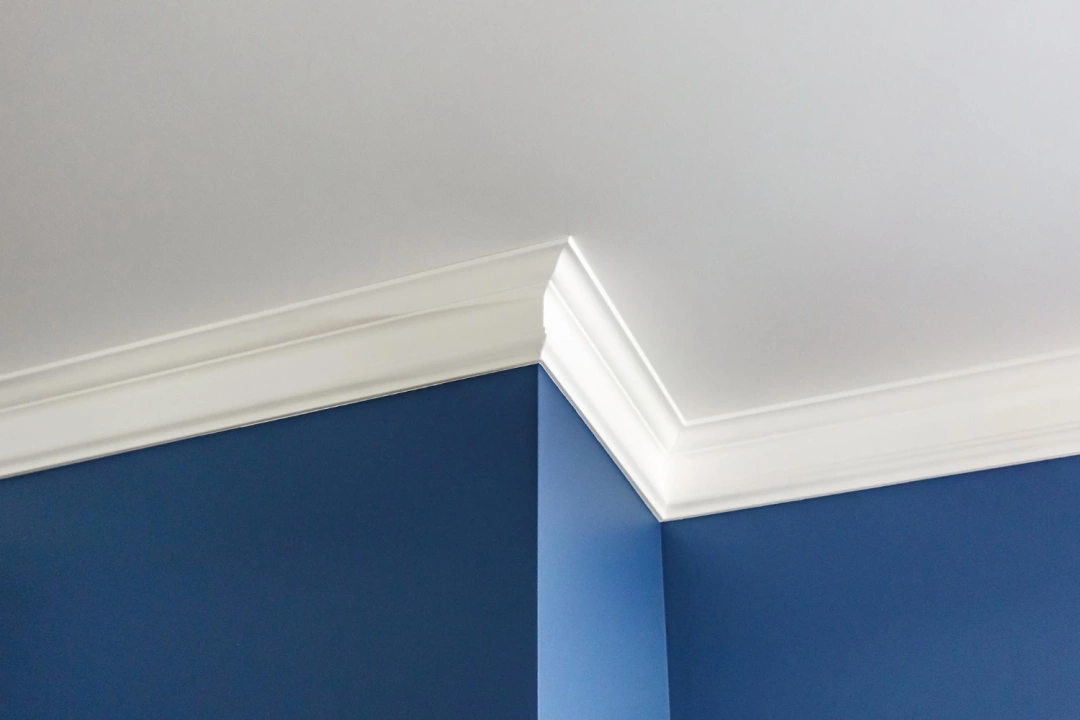
Modern vs Traditional Cornices: Which Suits Your Home Best?
Coving, cornice and mouldings have long been valued as decorative touches that complete a room’s appearance. They act as a transition between walls and ceilings, softening sharp lines while adding character. These architectural details are not only stylish but can also hide cracks or uneven finishes, offering both beauty and function.
Across history, cornices have reflected the taste and status of their owners. From grand palaces to modest family homes, they have been used to bring elegance and identity. Today, homeowners face an important choice: whether to select modern or traditional designs. Both have benefits, and the right choice depends on your personal style and the feel of your home.
In this article, we explore the differences between modern and traditional cornices, how they affect your home’s interior design, practical considerations to keep in mind, and guidance on making the right decision for your space. By the end, you will have a clearer idea of which style of coving, cornice and mouldings could suit your home best.
What Makes Modern and Traditional Cornices Different?
Although both modern and traditional cornices serve the same purpose, the differences in design, materials and installation methods are significant. Knowing these contrasts helps you plan confidently for your own home.
Design and Appearance
Traditional cornices are often inspired by Greek and Roman architecture, with bold profiles, sweeping curves and ornate patterns. Floral details or geometric borders are common. They were designed to showcase skill and elegance, creating a sense of formality. These designs are particularly effective in large rooms with high ceilings, where detail can be appreciated without feeling crowded.
Modern cornices emphasise simplicity. They use straight lines, smooth angles and subtle curves. Their strength lies in minimalism, making them perfect for homes with contemporary décor. A slim, plain coving can finish a room neatly without taking focus away from furniture or artwork.
Materials and Craftsmanship
Plaster has traditionally been the most common material for cornices. Skilled plasterers could mould intricate designs by hand, often creating one-of-a-kind details. While plaster creates a stunning effect, it is heavy, requires expert handling and can be delicate over time.
Modern cornices often use lightweight materials such as polyurethane or polystyrene. These allow consistent, affordable production. They are easier to install and transport, and their resistance to moisture and cracking makes them practical for modern living. Although they may not always match the authenticity of plaster, they provide excellent value and convenience.
Installation and Maintenance
Traditional plaster cornices usually need professional installation because of their weight and fragility. The process can take time and demands skill. Once in place, they may need repair if cracks appear as the building moves with age.
Modern cornices are designed for straightforward fitting. Many are light enough for DIY installation, often using adhesive rather than nails. Maintenance is minimal, with simple cleaning and repainting usually enough to keep them looking sharp.
Cost and Value
Traditional cornices are usually more expensive. The price reflects the material, craftsmanship and the expertise required. For period homes, however, investing in plaster cornices can increase value by preserving authenticity. They can even become a key selling point for buyers who admire heritage details.
Modern cornices provide a more economical option. Their affordability means homeowners can still achieve a polished finish without overspending. They can also be replaced more easily if tastes change or if a renovation calls for a different look.
Need assistance finding coving, cornice and mouldings near you?
Get a QuoteThe Effect on Your Home’s Interior Style
The choice between modern and traditional cornices shapes the mood of your home’s interior. Cornices are not just background details; they influence how a room feels as soon as you step inside.
Traditional cornices are ideal for houses with historical character. They echo the design language of earlier times and bring out features such as bay windows, fireplaces and panelled doors. In a Victorian home, ornate coving can underline the grandeur of high ceilings and period furniture. In Georgian houses, balanced symmetrical designs often match well with the clean proportions of the era.
Modern cornices suit spaces designed around clean lines and simplicity. They pair well with modern furniture, open-plan layouts and neutral colour schemes. Their understated design ensures they complement rather than compete with other features. For example, in a modern kitchen with sleek cabinets and integrated lighting, a plain coving can tie the space together without becoming a distraction.
In mixed-style homes, cornices can act as a bridge between old and new. A traditional house that has been updated may use a simpler cornice in renovated spaces while retaining detailed designs in formal rooms. This balance respects the building’s history while embracing present-day comfort.
Ultimately, the effect on your home’s style depends on balance. A cornice should enhance the space without dominating it. Considering ceiling height, furniture style and the overall mood of each room will help you choose wisely.
Practical Factors to Think About
Style is important, but practical issues often decide whether modern or traditional cornices are best for you. Considering these factors ensures your choice works visually and practically.
Ceiling height is one of the most important points. In smaller rooms with low ceilings, an ornate traditional cornice can feel heavy and reduce the sense of space. Slimmer, modern designs are a better fit, keeping the room open and bright. On the other hand, large rooms with tall ceilings can carry the detail of traditional designs beautifully, creating a sense of grandeur.
Moisture and durability also matter. In kitchens, bathrooms or conservatories, lightweight synthetic materials are often better suited. They withstand humidity without cracking, unlike plaster, which may need more upkeep. Choosing the right material for each room avoids long-term issues.
Budget and time are also practical concerns. If you are renovating quickly or with limited funds, modern options are easier to install and more affordable. Traditional plaster cornices are a long-term investment, requiring both more money and labour, but the results can be outstanding in the right setting. Many homeowners see them as a worthwhile feature when restoring historic homes.
Finally, upkeep plays a role. Lightweight cornices need little more than repainting, while plaster may require patching if damage occurs. Balancing convenience and durability alongside looks ensures your choice is practical for everyday life.
How to Decide Which Cornice Suits Your Home
Making a choice between modern and traditional cornices can feel overwhelming. By considering your home’s design, your personal preferences and your budget, you can narrow down the decision. Here are three points to guide you.
Match with Your Home’s Architecture
Look closely at your home’s structure and original features. If your property has historic value, traditional cornices are often the most suitable. They preserve the heritage of the house and keep it consistent with its proportions. For new-build properties, modern cornices usually provide the clean finish that matches contemporary layouts. Choosing a design that respects the architecture ensures a balanced appearance.
Think About Your Interior Design
Consider how the cornice interacts with your furniture and décor. A living room filled with antiques and patterned fabrics may look incomplete without a detailed traditional cornice. In contrast, a sleek space with minimalist lighting and neutral walls is best complemented by a simple modern design. Think carefully about whether you want the cornice to stand out as a feature or serve quietly in the background.
Balance Cost and Longevity
Every home project has a budget. Modern options are cost-effective and ideal where affordability is key. They are also easier to replace if your style changes later. Traditional plaster, though more costly, can add long-term value, especially in homes where buyers value authenticity. The decision often comes down to whether you are seeking a quick improvement or a long-term investment in your property’s character.
Ultimately, the right cornice is the one that reflects both your home’s character and your personal style. Whether you choose the ornate beauty of traditional designs or the subtle elegance of modern ones, coving, cornice and mouldings remain a timeless way to complete any home.
In this article: