
Is Coving Out of Fashion or Still Popular in UK Homes?
Coving has been part of British homes for centuries, linking walls and ceilings with a neat line that frames the room. Some people see it as a classic feature that adds charm. Others think it belongs to the past. The truth is that coving keeps changing with style, and its popularity depends on the look you want, the age of your home, and how you use each space.
This article explores whether coving is still popular in the UK today. It looks at current trends, explains why coving remains timeless, points out times when it may not suit your home, and gives simple steps to help you decide what is right for your rooms.
By the end, you will know how coving can shape a space, where it works best, and how to match it with colour, lighting, and furniture. You will also understand how different profiles, from plain cove to detailed cornice, can change the mood of a room without taking over the design.
Current Trends in Coving and Interior Design
Design trends move in cycles. Coving follows the same pattern, gaining or losing ground as tastes shift. Right now, coving is popular when it supports the wider style, rather than acting as the star of the show. Homeowners choose it to soften edges, frame a ceiling, or make a space feel finished, while keeping the main focus on light, layout, and texture.
Minimalist and Modern Spaces
Modern rooms favour clear lines and calm surfaces. In these spaces, bold mouldings can feel heavy. This does not mean coving is out. Slim profiles in plaster or lightweight materials can add a gentle shadow line that keeps the ceiling crisp. A small cove with a simple curve can look smart with flat-fronted cupboards, built-in storage, and pale paint. It gives a touch of detail without stealing attention.
Traditional and Period Homes
Victorian and Georgian houses often look best with coving because it belongs to their original design. Restoring an old cornice can protect the character of a hallway or sitting room. Even if the originals are missing, a matching profile can bring harmony back to tall rooms and sash windows. In terraces and semis, coving helps link picture rails, architraves, and skirting, so the whole room feels part of one story.
Blending Old and New
Many homes mix styles. A kitchen diner might have modern cabinets and a classic fireplace. Here, coving can bridge old and new. Choose a profile that is clean but not stark. Keep the scale in balance with door heights and window heads. When the curve meets the ceiling line, it softens the transition, which helps new fittings sit comfortably beside period features like ceiling roses or deep skirting.
Creative Use of Lighting
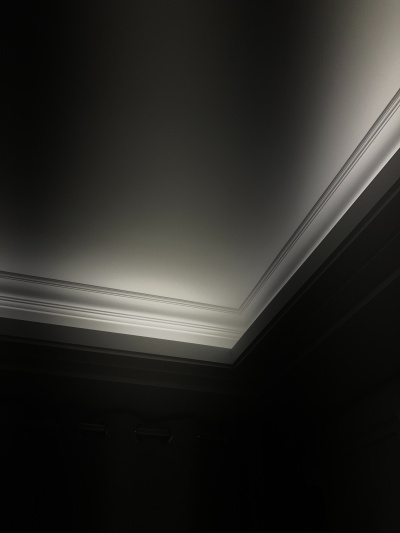
Lighting has changed how people use coving. Strip lighting can sit behind a small lip to wash light across the ceiling. This creates a soft glow that works well in bedrooms and living rooms. It can also provide useful background light in kitchens and home offices. Indirect light reduces glare on screens and glossy worktops, and it adds depth at night when task lights are off.
Need assistance finding coving, cornice and mouldings near you?
Get a QuoteWhy Coving Remains a Timeless Choice
Coving has survived changes in fashion because it solves common design problems while adding subtle beauty. Where walls meet ceilings, plasterwork can crack or look uneven. A well-fitted cove hides small flaws and draws the eye to the shape of the room. It can make a space feel taller or wider, depending on the profile and the paint colour you choose.
The range of styles is another reason for its lasting appeal. There are plain coves for simple rooms, stepped and square forms for modern schemes, and ornate cornices for grand settings. This flexibility means you can match coving to almost any design, from a neat new build flat to a farmhouse with low beams. You can also paint it the same colour as the ceiling for a calm look, or a slightly different tone for a gentle frame.
Practical benefits matter too. Coving helps disguise cables and fine cracks that appear with normal movement. In older homes, it can hide uneven joins after rewiring or insulation work. In newer homes, it can add a sense of finish to rooms that might otherwise feel plain. Because many profiles come in lightweight materials, fitting can be quicker and less messy than people expect, which keeps disruption low.
Situations Where Coving May Not Suit Your Home
Coving is not right for every room. Very low ceilings can feel lower once a profile is added, especially if it is deep. In compact bedrooms or loft conversions, even a small projection can reduce the sense of height. If you want to make a space feel taller, a clean junction with a sharp paint line may work better than a curved moulding.
Some ultra-modern interiors aim for a gallery-style look with strict lines and minimal shadow. In these settings, coving can fight the concept. If the design relies on hidden joints, flush doors, and seamless plaster, adding a decorative edge may introduce a note that feels out of place. Floors with large-format tiles and ceilings with slot diffusers for air systems often look best without extra shapes at the perimeter.
Moist areas also need care. In bathrooms with direct steam near the ceiling, the wrong material can swell or crack. Choose moisture-resistant profiles and suitable paint, or keep the junction simple and well sealed. In kitchens, check clearances near extractor housings and tall cupboards so the profile does not clash with doors or vents.
Deciding If Coving Is Right for Your Space
Choosing coving is easier when you break the decision into simple checks. Think about the age of your home, the ceiling height, the mood you want, and the budget you have. Try samples in the room, look at the lines from different angles, and test paint colours on both the wall and the cove to see how light changes across the curve.
Consider the Character of Your Home
Let the building guide you. If your home has period features like deep skirting, panelled doors, or ceiling roses, a matching cornice can draw those details together. In a new build, a slim square profile might be enough to frame the ceiling and hide small flaws without adding weight. For dormers or sloping ceilings, short sections can tidy tricky joins where plasterboard angles meet.
Look at neighbouring rooms as well. Keeping a similar profile across adjoining spaces helps the house feel connected. Where rooms change height, you can step down to a smaller size while keeping the same shape, which preserves the rhythm as you move through the home.
Balance Style, Scale, and Colour
Scale is key. A large cornice can overwhelm a small room, while a tiny cove can disappear in a tall space. Measure door heights and window heads, and choose a profile that feels in proportion. Colour helps too. Painting the coving the same colour as the ceiling creates a calm effect. Using a slightly darker or lighter shade can outline the room gently and show off the curve under natural light.
If you like contrast, use a mid tone on the walls and a pale tone on the ceiling and coving. This draws light upward and makes the room feel open. For north-facing rooms, a warm white on the ceiling can stop the space from feeling cool, while a soft tint on the cove adds depth without crowding the eye.
Plan Installation and Maintenance
Think about fitting and upkeep. Lightweight profiles are easier to handle and are suitable for do it yourself in simple rooms, though a plasterer can give crisper results on corners and long runs. Use a good adhesive, fill joints carefully, and sand lightly before painting. In kitchens and bathrooms, choose moisture-resistant products, and add a fine bead of sealant where needed to keep edges neat over time.
Plan the order of work. Fit coving after first fix electrics and before final decorating. Prime surfaces, cut neat mitres, and check levels as you go. Once painted, wipe gently with a soft cloth during routine cleaning. With the right care, coving will last for many years and continue to lift the look of your rooms.
In this article: