How Much Does Coving Installation Cost in the UK?
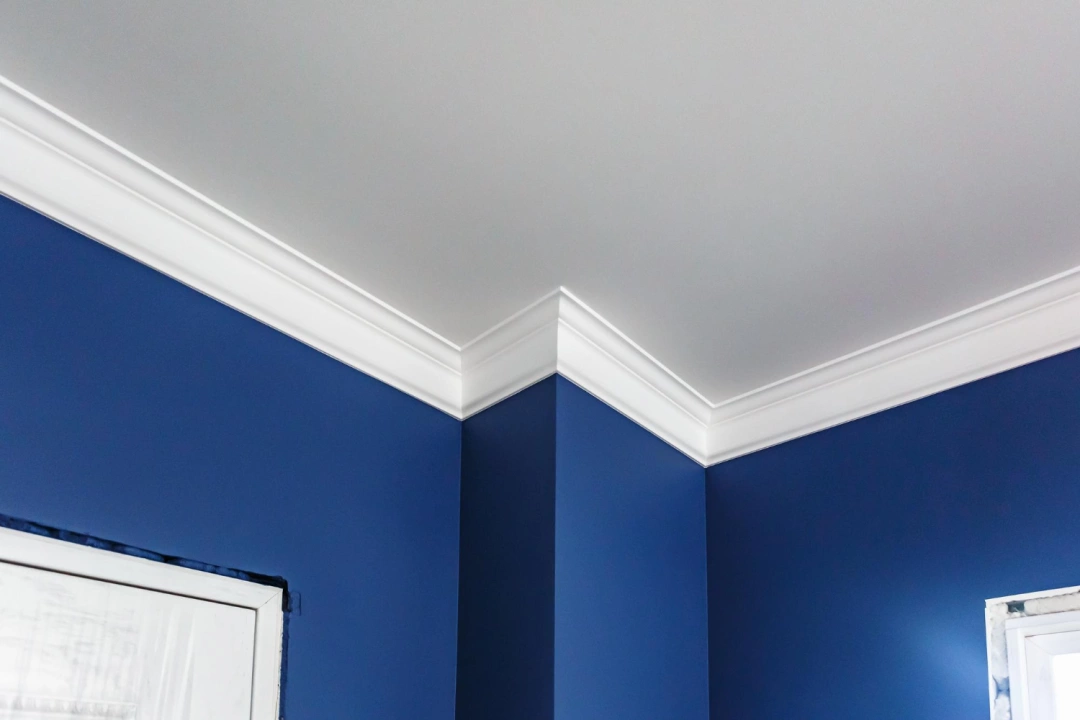
Coving is a decorative moulding installed where the wall meets the ceiling. It has been a popular feature in British homes for hundreds of years and remains a sought-after detail in both traditional and modern interiors. Coving softens sharp edges, hides imperfections and can add a sense of elegance to even the plainest room. It provides a subtle but effective finishing touch that enhances the style and balance of a space.
Many homeowners add coving as part of wider home improvements. It is often chosen during redecorating projects to give rooms a cleaner and more complete look. In period properties, coving helps to maintain the home’s original character, while in newer houses it can introduce charm and visual interest. The main question most people ask before starting is how much it costs. The answer varies depending on the materials, the room size, the type of design and the professional you hire.
Because coving comes in many different styles and finishes, there is no single price that applies to every home. Instead, costs range widely, and it is worth learning what influences the total before committing to an installation. This article sets out the main factors that affect pricing, gives average costs across the UK, explains additional charges to watch for and offers tips on how to achieve the best value, including how services like Noticed can make the process easier.
Key Factors That Affect Coving Installation Prices
Several elements shape the cost of coving installation. Some are directly tied to the material you pick, while others depend on your home’s layout or the skill of the installer. By understanding these, you can set realistic expectations for your budget and avoid overspending.
Type of Material
The material you choose has perhaps the biggest effect on price. Polystyrene is often the cheapest, with costs starting at just a few pounds per metre. It is light, easy to install and suitable for simple projects. However, it is not as durable as other choices and may not give the same finish in higher-end homes. For a longer-lasting and more refined result, many people prefer plaster. Plaster is traditional, strong and can be crafted into detailed shapes, but it is heavier and usually more expensive to buy and fit.
Polyurethane coving provides a middle option. It is tougher than polystyrene but easier to work with than plaster. It comes in a range of designs and is resistant to cracks and damp, making it a popular modern choice. Timber coving is rarer but sometimes used in period homes for an authentic look. Each material comes at a different cost, so selecting the right one is crucial for both budget and style.
Size of the Room
The size of the room has a direct impact on the overall price. A small bedroom may only take a few hours and a limited number of coving lengths, keeping costs lower. By contrast, a large living room, dining room or open-plan area could require double or triple the material, as well as more time for fitting. Higher ceilings add to the challenge, as installers may need ladders or scaffolding, which increases labour costs.
Complexity of the Design
Plain coving with a simple curve or line is faster and cheaper to install. Decorative designs, with floral patterns, ornate swirls or classical details, take longer to produce and fit. The price of these designs is higher both in terms of purchase and installation. Choosing a more complex pattern can significantly raise the cost of your project, but it may also transform the overall look of the room.
Labour Costs
Labour charges vary across the UK. Installers in London and other large cities usually charge more than those in smaller towns or rural areas. On average, tradespeople may charge by the metre of coving fitted or by the hour. More experienced installers typically charge higher rates, but the quality of their work often justifies the expense. Poorly fitted coving may require repairs later, which can be more expensive than hiring a skilled professional from the start.
Need assistance finding coving, cornice and mouldings near you?
Get a QuoteAverage Coving Installation Costs in the UK
Average prices for coving vary by material. Polystyrene usually costs between £5 and £15 per metre, making it the cheapest option. Plaster, which gives a more solid and traditional look, ranges from about £8 to £30 per metre. Polyurethane sits between the two, offering a balance of strength, style and value. Timber is less common but can be more expensive depending on the type of wood used.
When labour is included, the total cost to fit coving in an average room usually falls between £200 and £600. A small bedroom may be closer to £200, while a large living room could be nearer £600 or even higher if plaster and intricate designs are chosen. Highly decorative plasterwork, which requires more time, may push costs above £800. As with all home improvement work, the location of your property and the installer’s experience will affect the final price.
As a guide, fitting coving in a standard living room may cost around £400, including materials and labour. This is only an estimate, so it is important to request detailed quotes from local installers. Each project is unique, and the exact total depends on your chosen materials, the size of your room and the complexity of the design. Getting several quotes helps you compare prices and find the best deal.
Additional Costs You Might Need to Consider
In addition to the main charges for materials and labour, there may be extra costs to factor into your budget. These are often linked to preparation work, finishing or the specific conditions of your property.
If your walls or ceilings are cracked, uneven or damaged, the installer may need to repair or plaster the surface before fitting the coving. This ensures the coving sits properly and looks neat. Depending on the condition of the room, this can add several hours of labour. Older properties are more likely to require this kind of preparation.
Painting is another expense. Some coving comes ready-primed, but others need a base coat and top coat after fitting. Hiring a painter may add £50 to £200 to the project, depending on the room size and the level of detail. If you plan to paint the coving yourself, you can save money, but it will take extra time and care to achieve a good result.
Special conditions, such as very high ceilings or unusual room layouts, can also increase costs. Installers may need extra equipment, or the job may take longer than expected. Access issues, such as working in stairwells, often raise the labour price. These hidden extras should always be considered when planning your budget.
How to Get the Best Value for Coving Installation
Coving installation can be an investment, but with the right approach you can ensure good value. The following steps will help you achieve a stylish result without spending more than you need to.
Compare Quotes
Always get at least three quotes from local installers. This allows you to see the range of prices in your area and check what each quote includes. Some may cover both fitting and finishing, while others may only include installation. Reading customer reviews and asking to see examples of previous work can help you judge which installer offers the best balance of quality and price.
Choose the Right Material
Think carefully about your material choice. Polystyrene is budget-friendly and suitable for simple jobs, but plaster offers more durability and elegance. Polyurethane gives a good balance of strength and ease of fitting. Picking the right material for your property can help you avoid overspending while still achieving the look you want.
Use Noticed to Save Time
Searching for the right installer can take time. Noticed removes this hassle by directly connecting you with trusted local specialists in coving, cornice and moulding. By sharing your project details, you will receive a shortlist of handpicked providers who meet your needs. You can compare their quotes, read customer reviews and decide which one is the best fit for your home.
This approach ensures you are not left guessing about who to hire. Instead, you have access to reliable, local tradespeople who have been carefully selected. Using Noticed saves time and gives you confidence that you are choosing from the best available options in your area.
Plan Ahead
If you are already carrying out other work, such as plastering or painting, schedule the coving installation at the same time. This reduces the need for repeat visits and can cut down labour charges. Planning also gives you more time to compare options, choose your materials carefully and avoid last-minute decisions that could be costly.
By following these steps, you can enjoy the benefits of coving while keeping costs under control. With a little preparation, smart choices and the support of services like Noticed, you can transform your room with coving that looks stylish and offers great value for money.
In this article: