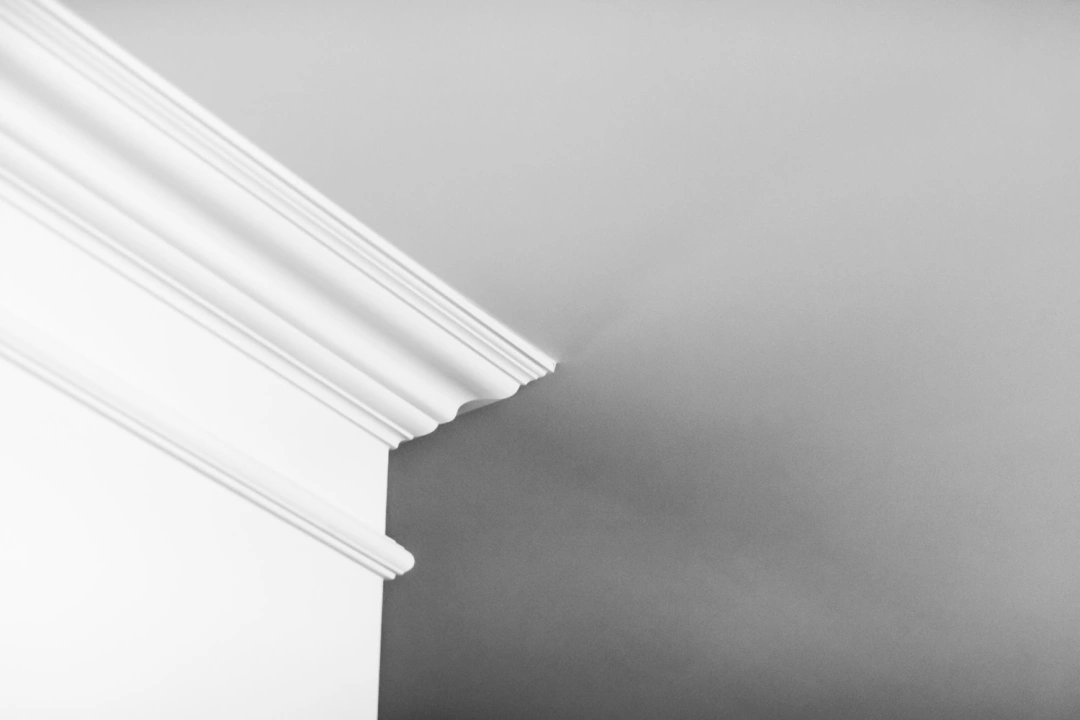
What Are the Different Types of Coving and Cornice?
Coving, cornice, and mouldings shape the line where walls meet ceilings and help rooms feel finished. They hide small gaps, soften angles and guide the eye around a space. From simple curves to bold patterns, these features are small details that can change the mood of a room.
Across the UK, you will find many styles in homes of every age. Terraced houses often have plain coving that matches clean modern decor. Period homes may use deep cornices with leaf or bead motifs that add grandeur. New builds tend to favour neat profiles that suit straight lines and smooth surfaces.
This guide explains the main types of coving and cornice, the materials they are made from, and how to choose a size and profile that fits your home. It also suggests where each type works best. With a clear plan, you can select a design that looks right, fits your budget and is practical to install.
When comparing options, look at sample lengths in the actual room if you can. Tape them in place at the wall and ceiling line and step back to judge the shadow and depth at different times of day. This quick test reveals whether a profile feels too small or too bold and helps you decide on paint colours that show the shape clearly.
Popular Styles of Coving and Cornice
Styles have evolved over time, each linked to the tastes of a period. The best choice depends on the look you want and the scale of your rooms. Think about ceiling height, window size and the level of detail in skirting and architraves. A joined-up approach helps the room feel calm and complete.
Georgian Style
Georgian coving usually has a gentle sweep or a stepped run with crisp edges. The emphasis is on balance and proportion. In rooms with tall windows and clear lines, this calm shape adds order without drawing attention. It pairs well with plain walls and painted woodwork, and it can also sit quietly in a modern space where you want a touch of history without heavy ornament.
Victorian Style
Victorian cornice often carries rich detail such as egg and dart, acanthus leaves or rope patterns. The depth is greater, so it projects further into the room and throws interesting shadows. This suits bay windows, ceiling roses and bold colours. If your room has a fireplace, picture rails and tall doors, a Victorian profile can tie those features together and create a strong period character.
Edwardian Style
Edwardian designs sit between the restraint of Georgian lines and the drama of Victorian ornament. You might see a soft ogee curve with a small bead or reed. The result feels graceful and light. Because the pattern is modest, it works in many settings, from quiet bedrooms to bright halls. It adds interest at the junction of wall and ceiling without stealing focus from furniture and fabrics.
Contemporary Style
Contemporary coving is all about clean geometry. Profiles are slim, with shallow curves or sharp angles that echo modern kitchens and open plan living. These designs keep visual noise low and allow feature lighting or artwork to lead. In compact rooms, a small contemporary profile can make the ceiling appear higher and the edges crisper, which helps the space feel tidy and fresh.
Need assistance finding coving, cornice and mouldings near you?
Get a QuoteMaterials Used in Coving and Cornice
The material you choose affects appearance, cost, installation and upkeep. Traditional plaster remains the gold standard for crisp detail and a heritage feel. Skilled makers form fibrous plaster in moulds, often reinforced with hessian. It can be fixed and filled to leave seamless joints, then painted to match ceilings. Plaster is sturdy and repairable, but it is heavier than modern options and usually needs a trained installer.
Polyurethane is a popular modern material. It is light, tough and resists moisture, which makes it useful in kitchens and bathrooms. Sections are factory-made with a fine skin that paints well. Fitting is straightforward with adhesive and mechanical fixings where needed. Because it is stable and not brittle, it travels well and is less likely to chip on site. Many profiles copy classic patterns closely enough for most homes.
Polystyrene is the budget choice. It is very light and easy to cut, which suits quick projects and tight budgets. After installation, a careful coat of paint improves the finish. It will not give the same crisp edge as plaster or polyurethane, but it can still provide a neat transition and is simple to replace. For landlords or temporary spaces, polystyrene offers a practical solution at low cost.
Timber mouldings bring warmth and a natural grain. Softwood can be stained or painted, while hardwood gives a richer look. Timber suits cottages, lofts with exposed beams and rooms where you want the trim to match doors or skirting. It needs steady humidity to avoid movement and may require caulking at joints. With care, timber ages well and can be refinished as styles change.
Choosing the Right Size and Profile
Good scale is the secret to coving that looks effortless. Start with ceiling height. As a simple rule, higher ceilings can carry deeper cornices, while lower ceilings benefit from slimmer profiles. In a small bedroom, a large and ornate design can feel heavy. In a wide sitting room, a tiny strip may look mean and out of place. Aim for a profile that anchors the ceiling but still leaves generous wall space for paint or paper.
Think about the shape, too. Curved profiles soften hard corners and suit calm, traditional schemes. Stepped or chamfered shapes introduce modern energy and can echo the lines of cabinets and shelving. Try to echo other mouldings so the room reads as one. If skirting boards are square and deep, a clean-lined cornice will match. If skirtings have beads and curves, a softer profile above will make sense.
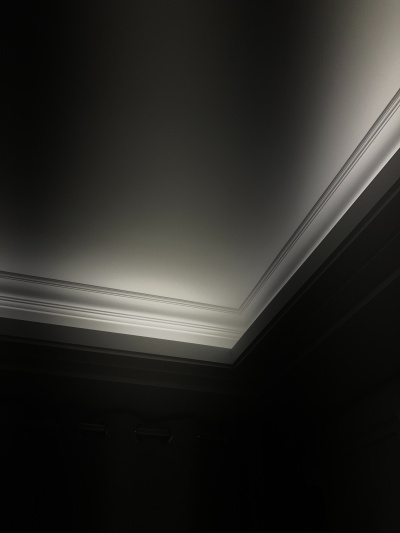
Lighting matters. Cornice can hide LED strips that wash light across the ceiling and make rooms feel taller at night. If you plan this, choose a profile designed for lighting and follow safe fitting guides. Colour also plays a part. Painting coving the same shade as the ceiling creates a calm canopy. Painting it the wall colour can lower the contrast and make the room feel snug. Test samples before you commit.
Best Places to Use Different Types of Coving and Cornice
Different rooms ask for different solutions. Think about how the space is used, how much moisture is present and the style of furniture and floors. Matching the coving to the purpose of the room helps the whole home feel consistent and well considered.
Living Rooms and Dining Rooms
These social spaces suit designs that frame conversation and give weight to the ceiling. In period homes, plaster or high-quality polyurethane with Victorian or Edwardian detail can deliver drama. In open plan areas, a contemporary profile gives a tidy edge and lets lighting and art lead the story. If you have a ceiling rose, pick a cornice that shares curves or motifs so the elements feel like a set.
Bedrooms and Hallways
Calm is key in bedrooms. Slim Georgian or Edwardian lines create a soft shadow and relax the eye. In a nursery or guest room, polystyrene can be an easy option that still looks smart once painted. Hallways benefit from practical profiles that resist scuffs. A medium depth curve gives presence without narrowing the passage. Because halls often link rooms, choose a design that bridges styles from space to space.
Kitchens and Bathrooms
Moisture and cleaning drive choices here. Polyurethane is a strong pick thanks to its stable surface and fine detail. It copes well with steam and wipes down easily. Keep profiles simple so grease and dust have fewer places to settle. In small shower rooms, a neat contemporary shape can make the ceiling feel higher and reduce visual clutter. Where tiling is full height, a small coving strip above the tile line can finish the edge cleanly.
In this article: