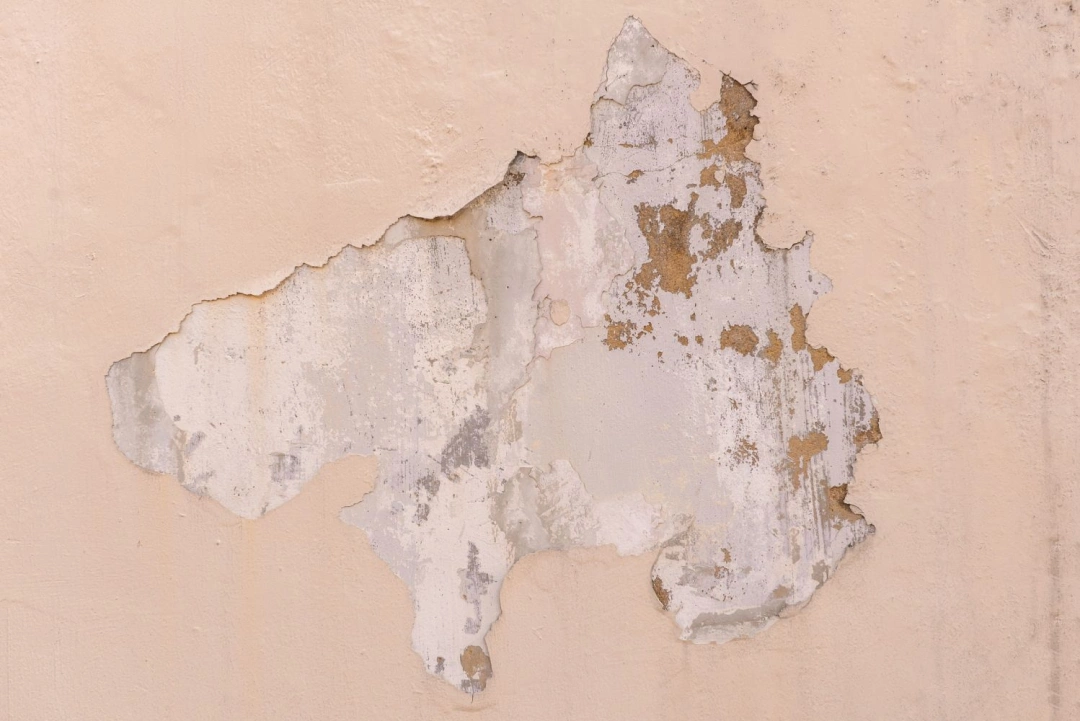
How Much Does Plaster Repair Typically Cost in the UK?
Plastering Repair is something many homeowners need at some point. Cracks, holes, or dents in walls and ceilings are common. These may be caused by general wear, damp, or movement in the home. Getting plaster fixed properly is important because it prepares your walls for painting or decorating and keeps your home looking its best.
So, how much does Plastering Repair actually cost in the UK? The answer can vary depending on what needs fixing, how big the area is, and where in the UK you live. Some small jobs may cost as little as £150. But if a whole room needs plastering, you could be looking at well over £1,000.
It helps to understand the different things that affect the cost. This article will guide you through those key factors, give example prices for common repairs, and offer advice on how to choose the right plasterer for the job.
Keep reading to learn what to expect so you can plan your plaster repair with confidence and avoid any unwanted surprises.
What Affects the Cost of Plaster Repairs?
The cost of Plastering Repair can change a lot depending on your home and the job. Below are the main reasons why some jobs cost more than others.
Size of the area and how easy it is to reach
Bigger areas need more time, more materials and more effort. A tiny crack on a living room wall might only take a short time to fix. But a large patch of damaged ceiling could take all day. Ceilings are usually more expensive than walls because the work is harder and takes longer.
If the damaged part is high up or in a tight space, it will take more time and might even need special tools or platforms. That also adds to the cost. Your plasterer may charge more if ladders, scaffolding or extra safety gear is needed.
Type of plaster repair needed
Simple filling is usually cheaper. It might involve cleaning a crack, adding filler, and giving the area a light skim. But bigger damage needs more work. If old plaster has fallen away or been removed, new boards may need to be added. Then fresh plaster goes over the top.
Older homes may also have lime plaster, which takes more care and time to apply than modern types. These jobs need more skill and patience, which affects the price.
Materials and final look
The type of plaster and finish can change the cost. Standard plaster used in most homes is more affordable. If your walls need moisture-proof or fire-proof boards, the price goes up. These special boards are more costly and take more effort to install.
Some people also want smooth polished finishes. These take longer and may need extra layers. If you want a fancy finish, expect to pay more. Basic jobs are cheaper, but the results may not be as stylish.
Where you live and local labour rates
Plasterers charge different rates depending on where you are in the UK. Labour costs in London and the South East are higher than in other areas. In some northern towns or rural places, the price might be lower. But travel time may still be added to your bill if the plasterer has to come from far away.
Most plasterers charge either a day rate or a set fee for the job. You might pay between £200 and £300 a day for a skilled plasterer, sometimes more in busy cities. These rates help cover their tools, travel, and insurance.
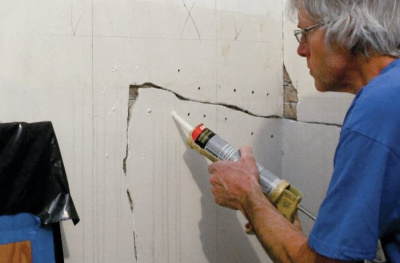
Need assistance finding plastering repair near you?
Get a QuoteAverage Price Ranges for Common Plaster Repair Jobs
To help you understand what to expect, here are some average prices for different types of Plastering Repair jobs in the UK. These figures are just guides. The final cost depends on the job, access and finish.
Small crack repair: Around £150 to £250. This includes cleaning, filling and blending the surface to match the rest of the wall. It's a quick and simple job.
Fixing a small hole: Between £180 and £300. The plasterer may need to patch the hole with a new board, then tape, skim and sand it for a smooth finish.
Skimming one wall: £220 to £350 for a regular wall. This covers preparation, two coats of finishing plaster and smoothing it out. It usually takes half a day to complete.
Skimming a ceiling: £250 to £450. Ceilings cost more because they are harder to reach. If the ceiling is very large or high, the price can go up to £700 or more.
Skimming a medium-sized room: £700 to £1,100. This covers all four walls and the ceiling. The work may take one to two days depending on size and shape of the room.
Full reboarding and skimming a large room: £1,400 to £1,900. This is for a complete overhaul where damaged plaster is removed, new boards fitted, and everything skimmed. It includes material, labour and usually rubbish removal too.
Why Cheaper Isn’t Always Better With Plastering Work
It might be tempting to go with the cheapest price, but this can lead to problems. Plastering is a skilled trade. A poorly done job might look okay at first but show cracks or lumps later. Fixing mistakes can be expensive and cause delays.
Cheap quotes often mean corners are being cut. The plaster may be too thin, or the wall might not be prepared properly. This can lead to flaking paint, loose areas, or poor finishes. If the plaster fails, the whole job might need to be redone.
When you pay for experience, you get more than just a smooth wall. A good plasterer will check for damp, give advice on the best materials, and protect your furniture and floors while working. They will also leave your home tidy after the job is finished.
In the long run, spending a bit more can save you money. It means you get work that lasts and a finish that looks great for years to come. It's often better to invest in quality than to pay twice.
How to Get a Fair Quote From a Trusted Local Plasterer
Getting the right person for the job is just as important as getting the right price. Follow these steps to find a reliable plasterer and make sure you get good value for your money.
Get several quotes
Don’t go with the first plasterer you speak to. Get at least three quotes so you can compare prices and see what each one offers. Make sure each plasterer sees the job in person. That way, they can give you a proper quote based on what they see, not just what you describe over the phone.
Check that each quote includes the same type of work. It should list what will be done, what materials are used, how long it will take, and if anything extra is needed like rubbish removal.
Look at reviews and past work
A good plasterer should have reviews from happy customers. Ask to see photos of work they’ve done before. If they’re local, they may even have done jobs for someone you know. This can give you peace of mind that they are skilled and trustworthy.
Also, check they have insurance. This protects your home in case something goes wrong. Most tradespeople should have public liability insurance, and they should be happy to show proof if you ask.
Ask the right questions before you book
Before agreeing to go ahead, ask some simple questions. How long will the job take? Will you need to move furniture? How long before you can paint the wall afterwards? Will they protect your floors or carpets?
A clear and honest plasterer will explain things in a way that’s easy to understand. They’ll let you know how to care for the plaster while it dries and what to do next. Clear answers help you feel more confident about your choice.
By being prepared, asking questions and comparing quotes, you can find the right plasterer for your job. You’ll get a fair price and a finish that you’ll be happy with for years to come.
In this article: