The Most Common Causes of Damaged Plaster in UK Homes
Plaster plays an important role in most homes in the UK. It is used to create smooth walls and ceilings, which can then be painted or decorated. While it is often strong and long-lasting, plaster can become damaged over time.
There are many reasons why plaster may start to crack, crumble or fall away. Sometimes the damage is clear, but other times it may be hidden and hard to spot. It is helpful to understand what causes these problems so you can prevent them early on.
In this article, we will look at the most common causes of damaged plaster in UK homes. We will explore normal wear and tear, unseen problems that develop slowly, the effects of damp and leaks, and how to spot the root cause before trying to fix anything. Knowing the reason behind the damage is key to a proper plastering repair.
Everyday Wear and Tear That Affects Plaster Over Time
Living in a home means the walls are used and touched often. Over time, normal actions and movement in the house can affect the plaster. Although these changes may be small at first, they can turn into bigger problems if ignored. Let’s look at some everyday causes that lead to plaster damage.
Movement in the Building
All buildings move slightly as time passes. This might be because of changes in weather, the age of the house or even the type of ground it stands on. As a building moves, even if only a little, it puts pressure on the plaster inside.
Cracks often appear near doors, windows or corners, where the structure is weakest. These movements happen slowly and are a normal part of a building settling. However, over time they can lead to visible cracks that may require a plastering repair to restore a smooth surface.
Everyday Bumps and Scratches
In busy households, walls often get bumped or scraped. This can happen when moving furniture, playing games indoors or doing everyday tasks. Small knocks can create dents or marks in the plaster. Over time, these small marks can become more serious damage.
Even small things like opening a door too hard or dropping items near the wall can slowly chip away at the plaster surface. This is why high-traffic areas often need more repairs.
Poor Plastering from the Start
If plaster was not applied properly when the home was first built or decorated, it may not last very long. Poor quality plastering jobs often lead to cracks, crumbling or flaking walls. This is usually because of bad mixing, rushing the job or using cheap materials.
In these cases, the wall might need to be repaired more often. A good plastering repair can fix the damage and give a better finish that will last longer.
Damage During Decorating
Sometimes, the plaster gets damaged during home decorating. When removing wallpaper, tiles or old paint, the top layer of plaster can be pulled away. Using the wrong tools or too much force makes this more likely.
If the damage is light, a small plastering repair might be enough. But in more serious cases, full re-plastering may be needed to fix the wall properly.
Need assistance finding plastering repair near you?
Get a QuoteHidden Issues That Can Cause More Serious Plaster Damage
While some plaster damage is caused by things we can see, others come from hidden issues inside the walls. These problems can grow slowly without any early signs. By the time you notice the damage, it may already be quite serious.
One hidden issue is old or loose pipework. If a pipe inside the wall starts to leak or shake, it can weaken the plaster nearby. Over time, this might lead to cracks or sections falling away. Small leaks often go unnoticed until the plaster shows signs of damage.
Another hidden problem is poor ventilation. If there is not enough airflow inside the home, moisture can build up in the walls. This leads to damp conditions which weaken the plaster from the inside. Eventually, the plaster might start bubbling or feel soft to the touch.
Insect nests or animal activity inside the walls can also damage the structure and cause plaster to loosen. These problems are more common in older homes but can happen anywhere. It is always best to deal with the hidden cause before doing a plastering repair.
What Damp and Leaks Do to Your Walls Over Time
Damp is one of the most harmful problems for plaster. It affects many homes in the UK, especially during wet months. Damp conditions can ruin plaster slowly and are often hard to fix once the damage is done.
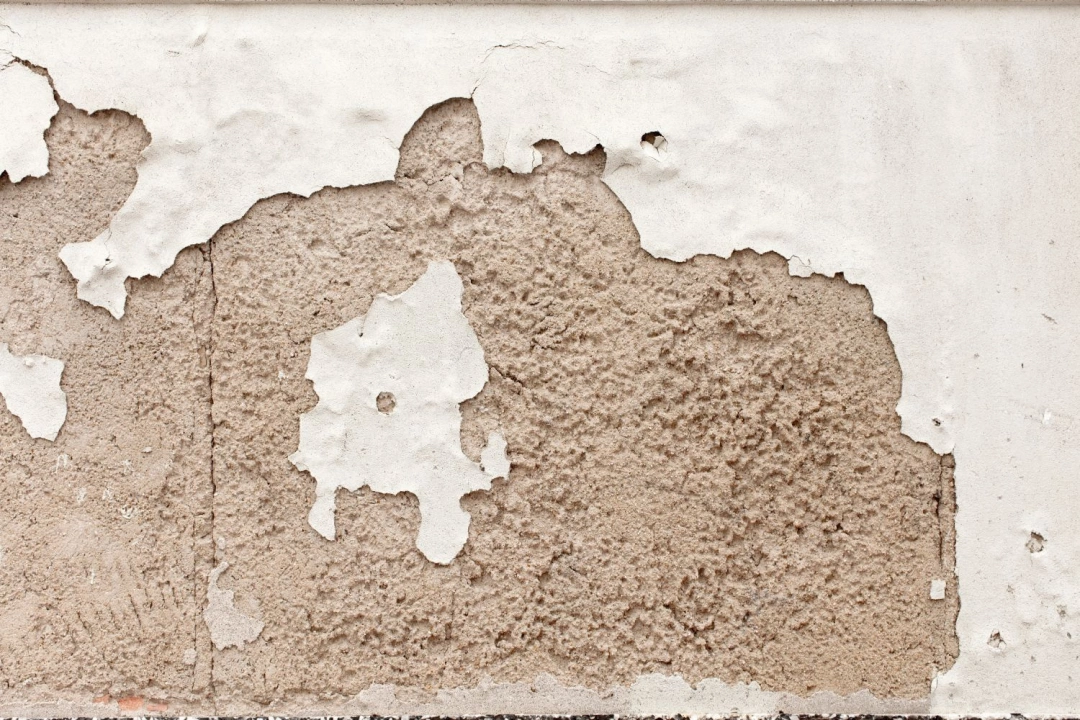
Leaks from roofs, toilets, sinks or radiators can let water seep into the walls. When water gets behind the plaster, it breaks down the material. The plaster may then become soft, crumbly or start to fall away. It might also cause stains or a bad smell inside the room.
In bathrooms, kitchens and basements, high moisture levels are common. If the room does not have good airflow or a working fan, the walls stay damp for longer. This makes it harder for the plaster to stay strong and dry.
Visible signs of damp damage include flaking paint, brown or yellow stains, or bubbling surfaces. In some cases, mould may grow on the wall too. If you see these signs, it is important to fix the leak first. Only then should you begin any plastering repair to the wall itself.
Fixing damp early is very important. Waiting too long may mean having to replace large sections of plaster, which takes more time and costs more money.
How to Spot the Cause Before You Repair the Damage
Before carrying out any plastering repair, it is very important to find the real cause of the damage. If you only fix the surface and not the source, the problem will return. Here are a few ways to check what might be going wrong behind the scenes.
Look Closely at the Cracks
Cracks in plaster can give clues about the cause. Fine lines may be caused by normal wear, while wide or deep cracks can mean more serious problems. If the cracks follow a straight line across the wall or ceiling, it could mean the building has moved slightly.
Cracks that keep getting bigger over time should be looked at by a professional. Do not ignore changes, even if they seem small at first. Checking often helps you act early before bigger damage happens.
Feel for Damp or Cold Patches
Walls that feel damp or cold to the touch may have hidden leaks. These are often found in bathrooms, near radiators or under windows. You might also see darker patches or peeling paint. These are all signs that water has affected the plaster.
Before repairing damp plaster, you need to fix the leak or water source. Otherwise, the new plaster will become damaged again. A moisture reader tool can help you test the wall if you are unsure.
Check for Sounds Behind the Wall
You can lightly tap on your walls to listen for hollow spots. If the plaster sounds empty in places, it may have come loose. This often means the plaster has separated from the backing wall, which could be due to age, water damage or poor work in the past.
Loose plaster is not safe and should be replaced. A full plastering repair may be needed in these areas to make the wall strong again.
Spotting the root cause of plaster damage is the first step toward making a lasting repair. It helps make sure that once fixed, the damage will not return quickly and the wall will stay in good condition.
In this article: