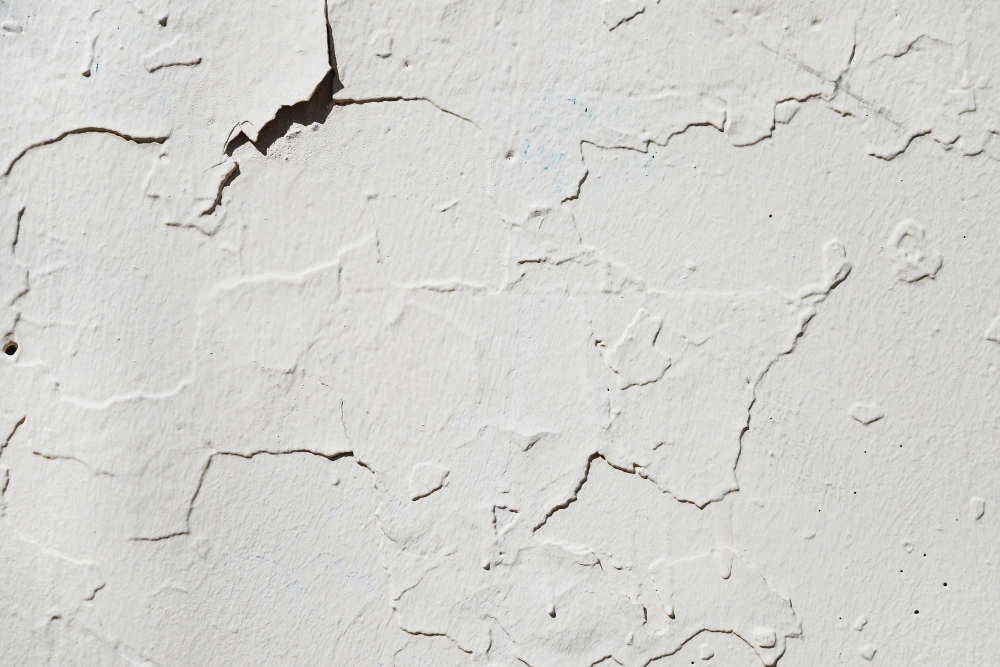
What Damp Can Do to Your Plaster and How to Fix It
Damp is one of the most common problems found in homes across the UK. It does not matter whether your house is old or new. If water gets into your walls, it can lead to serious damage, especially to your plaster. Plaster plays a big role in making your walls look smooth and strong, so when it is harmed by damp, the effects can be costly and unpleasant.
The good news is that there are ways to deal with it. In this article, we will explore how damp affects your plaster, how to recognise the signs early, and what can be done to fix the problem. Most importantly, we will explain why plastering repair must go beyond surface fixes if you want to protect your home for the long term.
By understanding what to look for and knowing how experts handle damp and plaster, you can make the right choices for your property. This will save you time, money and stress in the future.
How to Spot the Signs of Damp-Damaged Plaster
Knowing the early signs of damp damage can help you act fast before the issue gets worse. Damp affects plaster in ways that are easy to notice once you know what to look for. Below are some clear signs that your plaster may have been damaged by damp.
Bubbling, Peeling or Flaking Paint
When water pushes through plaster, it breaks the grip between the paint and the wall. This makes the paint bubble, flake or peel away. Even if only a small patch is affected, it is often a sign that something more serious is happening underneath the surface.
Painting over it might make the wall look better for a short time, but if the damp continues, the problem will return and spread further.
Discolouration and Stains
Water stains often show up as yellow, brown or grey patches on the plaster. These marks are left when water carries tiny particles of dirt or minerals through the wall. They may also feel damp to touch and grow larger over time.
These stains can make your rooms look uncared for, and they usually mean that water is moving through the wall somewhere behind the plaster.
Crumbly or Soft Texture
If the plaster is no longer firm, it may have been weakened by water. Try pressing lightly on the wall. If it feels soft, or if pieces fall off easily, that means the plaster has lost its strength. This can be dangerous in some cases, especially if the damage is near windows, doors or ceilings.
You may also see cracks or holes in the plaster, which can grow if not dealt with properly.
Musty Smell or Mould Growth
Damp often leads to mould, especially if the area has poor ventilation. A musty smell in the room or visible mould on the surface of the plaster is a sign that the problem has been there for some time. Mould can look like black, green or white patches and usually spreads across damp surfaces.
Aside from making your walls look bad, mould can also affect your breathing and cause health problems, especially for children and older people.
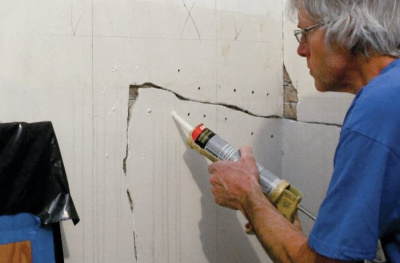
Need assistance finding plastering repair near you?
Get a QuoteWhy Damp Causes Long-Term Damage to Your Plaster
Damp might seem like a small problem at first, but it causes long-term harm to plaster and the walls underneath. Plaster is meant to stay dry. When moisture enters, it breaks down the material slowly but surely. This leads to soft spots, cracks and eventually full failure of the wall surface.
When damp enters the wall, it often brings along salts from bricks or cement. These salts travel through the plaster and leave behind white powdery patches known as salt efflorescence. These marks ruin the appearance of your wall and can weaken the plaster even more.
The more time water is allowed to sit inside your walls, the deeper it soaks. This not only ruins plaster but can also damage wooden supports, metal parts and insulation hidden inside the wall. If these materials stay wet, they can rot or rust, causing bigger structural issues.
Damp also creates the perfect place for mould and mildew to grow. These growths make the wall weaker and reduce air quality inside your home. Over time, they can even cause allergies or breathing problems for the people who live there.
In short, damp is not just a cosmetic problem. If not treated quickly and properly, it can cause damage to your entire wall system. This leads to higher costs and longer repair times in the future.
Why a Quick Patch Won’t Work Without Tackling the Cause
It is common for people to try fixing damp-damaged plaster by simply applying new layers or painting over the damage. This might make the wall look better for a short time, but it will not last if the root of the problem is not removed first. Plastering repair must always begin by stopping the damp at its source.
The source of damp might be a cracked roof tile, a broken pipe, blocked gutters or rising damp from the ground. If these causes are not fixed, water will continue to enter your walls, and the damage will come back again and again.
Another mistake is not letting the wall dry out fully before applying new plaster. If moisture is still inside, it can cause the new plaster to fail quickly. Drying can take days or even weeks depending on how wet the wall is. A dehumidifier, fans or good ventilation can help speed this up.
Plastering over damp walls may also trap moisture inside. This leads to bubbles, cracks or even mould appearing again under the new finish. In the worst case, the whole job has to be done again, costing you more money and time.
A lasting plastering repair should only be done once the wall is fully dry and the cause of damp is removed. This ensures that the new work will be strong, clean and durable.
How Professionals Deal With Damp and Repair Plaster Properly
Dealing with damp and fixing plaster the right way takes more than just a bag of plaster and a trowel. Professionals follow a step-by-step method to make sure the problem is solved properly and does not come back. This protects your home and gives you peace of mind.
Finding and Fixing the Source
The first step is always to find out where the damp is coming from. Experts may check your roof, pipes, drainage or walls using tools such as moisture metres or thermal cameras. They will look for leaks, poor seals, cracks or signs of rising damp.
Once the cause is found, they will explain what needs to be done. This could involve replacing a pipe, sealing a crack, clearing a blocked gutter or adding damp-proof treatments to the wall. It is important that this step is done before any plastering repair is started.
Drying Out and Preparing the Wall
After the source of the damp has been dealt with, the wall must be allowed to dry. This is a key step, and rushing it can ruin the whole job. Professionals may use industrial fans or dehumidifiers to help remove moisture from the wall more quickly.
Once dry, the old damaged plaster is carefully removed. The wall is then cleaned to remove any dust, loose materials or salts. Sometimes a bonding agent or primer is applied to help the new plaster stick properly.
Applying a Lasting Plastering Repair
Skilled plasterers apply fresh plaster in thin layers, making sure each one is smooth and even. They may choose special materials such as lime plaster if the house is old, or modern plaster for newer properties. Each job is tailored to suit the type of wall and the level of damage.
After the plaster dries, the surface is ready for painting or wallpaper. Professionals often suggest using breathable finishes that let the wall stay dry and prevent future problems. This careful process means the wall will stay in good condition for many years to come.
In this article: