Should You Try to Repair Plaster Yourself or Call a Professional?
Plastering repair is something many homeowners will face at some point. A crack in the wall or some chipped plaster might seem small, but fixing it properly takes care and attention. It can be hard to know whether you should try to do it yourself or bring in a professional plasterer.
For small problems, a quick DIY fix might work well. But larger damage or repeated issues may need expert help. Deciding between DIY and hiring someone depends on a few things like your skills, the tools you have, and how serious the damage is.
Before starting any plastering repair job, it is important to understand what you are dealing with. Some jobs are easy and safe to do on your own. Others could get worse if they are not done correctly. Choosing the right option can save you both time and money in the long run.
What to Consider Before Attempting a DIY Plaster Repair
Not every plastering repair is suitable for doing on your own. It is important to look at the situation carefully before deciding what to do. Here are some key things to think about before starting a DIY repair.
Type of Damage
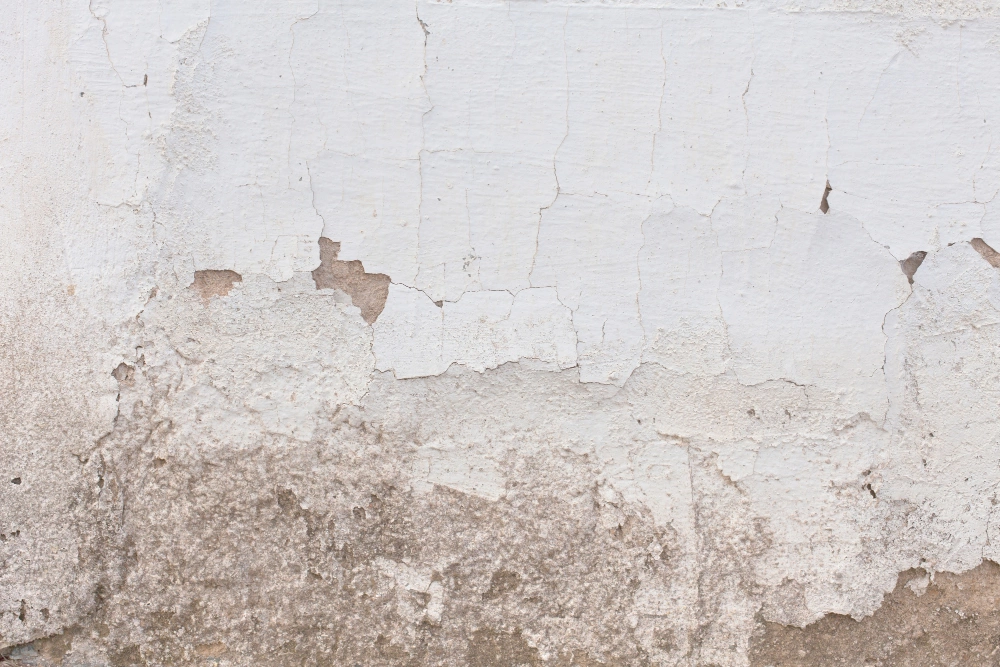
Look closely at the damage on your wall or ceiling. If it is only a small chip or a thin crack, it could be a simple fix. These kinds of problems usually only need some filler and sanding. However, if the plaster is flaking, falling off or crumbling, it might be a sign of a bigger issue. You may need to replace a large section or check for water damage underneath.
Also, check if the area feels soft or damp. This could mean water is leaking from behind. Fixing the plaster without solving the water problem will only cause it to happen again.
Your Experience Level
Plastering looks easy in videos, but it is harder than it seems. Getting a smooth, flat finish takes practice. If you have never plastered before, your repair might end up looking bumpy or uneven. This can be frustrating, especially if you are working in a place where it will be easy to notice.
Think about how confident you are. Have you done similar work before? Do you enjoy DIY jobs, or do they cause stress? Honest answers will help you decide if it is worth doing yourself.
Tools and Materials
To do a good job, you need more than just a putty knife and some filler. Proper plastering repair may need things like a hawk, a trowel, sandpaper, dust sheets, bonding agents and different kinds of plaster mix. If you do not already have these, buying them can cost more than you expect.
You will also need to make sure you have the right type of plaster for the surface. Using the wrong materials could make the repair worse or cause it to crack again later.
Time and Effort
Plastering takes more time than many people think. You have to prepare the surface, apply the plaster carefully in layers, allow it to dry, and then sand it. Some steps may need to be repeated if the first try does not look right.
If you are already busy or have a tight schedule, doing it yourself may add stress. Rushing through the job can lead to poor results, which will then need to be redone.
Need assistance finding plastering repair near you?
Get a QuoteWhen DIY Plaster Repairs Might Be Good Enough for Minor Issues
There are times when doing your own plastering repair is a sensible choice. If the damage is light and easy to reach, and you feel confident using simple tools, it can be worth trying it yourself.
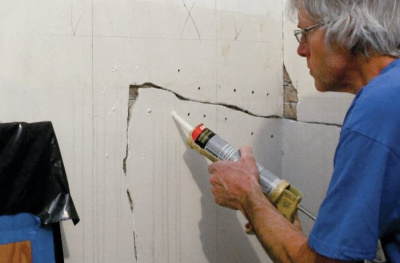
Hairline cracks or small chips are common problems. You can often fill these with a ready-made filler and smooth them down with sandpaper once dry. Then you can paint over the area and the wall will look neat again. These kinds of repairs are low risk and are a good way to build confidence with DIY work.
If you are already decorating a room and notice some marks or holes, fixing them before painting is a good idea. As long as the surface is dry and clean, filling and sanding can be done with just a few tools and a steady hand.
DIY is also a good option if you want to save money on smaller jobs. Instead of calling a professional for tiny repairs, learning how to patch up your walls can help you keep your home in better shape.
Just remember, if the problem gets worse or the repair does not look right, it is never too late to ask a professional to take over. It is better to get it fixed properly than to keep patching it without success.
What Can Go Wrong If You Get It Wrong
Trying to repair plaster yourself can work well if the job is simple, but mistakes can lead to more trouble. It is important to know what can go wrong, especially if you are not sure about what you are doing.
The most common mistake is ending up with a rough or uneven surface. This often happens if the plaster is not spread evenly or if you try to fix a large area without enough practice. The result might look worse than the original damage, and could make it harder to paint or decorate the wall later.
Another big problem is not fixing the cause of the damage. If damp or movement in the wall caused the crack, just covering it up will not stop it from coming back. In fact, it could get worse over time, leading to larger repairs in future.
Using the wrong kind of plaster or not preparing the wall properly can also cause the repair to fail. The new plaster might not stick well and could crack or fall off. Some people also apply it too thick, which makes drying take longer and increases the chance of shrinking or cracking.
If plaster falls off and leaves a large hole, this can affect the strength of the wall and even pose a safety risk, especially on ceilings. That is why knowing your limits is so important when doing any kind of plastering repair.
When It’s Best to Hire a Professional Plasterer Instead
There are many times when hiring a professional plasterer is the right choice. While it might cost more than doing it yourself, a proper job will last longer, look better, and save you stress. If you are not sure what to do, getting a quote or advice from an expert can help.
Large or Complex Damage
If the plaster is cracked in many places or whole parts of the wall are loose, it is best to call someone who knows what they are doing. Big repairs often mean removing damaged plaster, fixing what is behind it, and applying new layers in a smooth and even way.
This kind of work takes skill, time, and tools that most people do not have at home. A professional can check for damp, measure how much needs to be replaced, and get the job done safely and quickly.
Hard to Reach Areas
Ceilings, stairwells, and tall walls are harder to repair on your own. Working from a ladder or scaffold can be risky without training. A professional plasterer has the equipment to work safely in these spaces and knows how to handle the plaster without making a mess.
Trying to plaster a ceiling yourself could lead to dropped tools, spilled materials or injury. For these types of jobs, calling in help is a smart move.
When You Want a Perfect Finish
If you are planning to redecorate or sell your home, you will want the plaster to look clean and even. A rough wall can spoil the effect of new paint or wallpaper. Professionals can blend repairs so well that you cannot tell where the damage was.
A tidy, professional finish makes a big difference to the feel of a room. If you want everything to look right the first time, hiring a skilled plasterer is often worth the cost. You will also save time and avoid the stress of having to fix any mistakes.
In this article: