How to Tell If You Need a Plaster Repair or Full Replastering
Most people walk past their walls every day without giving them much thought. As long as the paint looks fresh the surface seems fine. Yet plaster is not only there to hold colour. It provides fire resistance, keeps heat inside during winter and offers a smooth canvas for the design of each room. When cracks appear or patches break away many owners wonder whether a quick plastering repair will restore the finish or whether the whole surface needs full replastering.
Making the right choice saves both money and time. A repair usually costs less and can be finished in a short visit. A full replaster costs more and takes longer because the old material must be removed, new coats applied and plenty of drying time allowed. Picking the correct option also protects the value of your property because surveyors pay close attention to the condition of internal finishes.
This article explains how to read the clues hidden in your walls and ceilings. You will learn which signs are only skin deep and which reveal deeper structural trouble. By the end you will feel prepared to discuss your findings with a professional and to choose the repair route that matches your needs.
Remember that even small defects give useful clues about the health of the wall behind the paint.
What to Look For When Assessing Plaster Damage
Before you decide on any work spend ten minutes carrying out a careful survey. Good light is essential, so open curtains or use a torch. Look from different angles and press gently on suspicious spots. Listening for hollow sounds and checking for movement will reveal weak points that eyes alone can miss.
Fine Cracks Across the Surface
Hairline cracks are very narrow and normally run in random lines. They appear as the building settles or when temperatures swing between hot and cold. In most cases the cracks only affect the top coat. A simple plastering repair that fills and smooths these lines returns the wall to a perfect state. Overcoating with a primer designed to bridge minor gaps helps prevent the marks from reappearing.
Jagged Cracks and Loose Edges
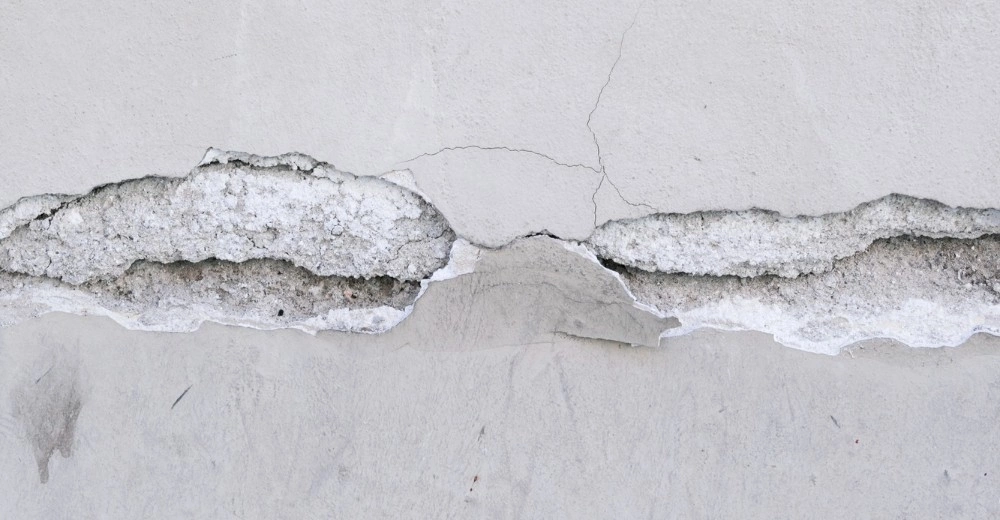
Jagged cracks are wider, deeper and have sharp edges you can feel with a fingertip. When you press beside them the plaster may give slightly or flakes may fall away. This shows the bond between the top coat and the base coat has failed. If the damaged section is limited a patch that cuts back to a firm edge then rebuilds the area is acceptable. Where large sections have separated it is faster and safer to strip the wall and apply fresh coats over the entire surface.
Discoloured Spots and Damp Stains
Brown or yellow stains suggest water is making its way through the structure. Common causes include roof leaks, broken downpipes or rising damp. Moist plaster loses strength and can harbour mould. Always solve the source of the water first, then allow the wall to dry naturally. If the stain is small and the plaster sets hard once dry a repair will do. If the surface feels soft or powdery a full replaster is the only lasting cure.
Bulges and Raised Areas
Bulges mean that the plaster has lifted from the backing. Air or moisture pockets push the surface outwards. When you tap a bulge it sounds hollow. A small blister can be cut out and filled, but a large area of detachment usually spreads. In such situations removing all loose material and starting again produces a flat and durable finish that will not fail in a few months.
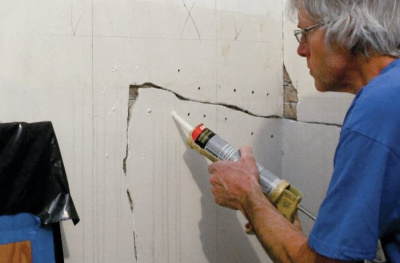
Need assistance finding plastering repair near you?
Get a QuoteWhy Some Issues Can’t Be Fixed With a Quick Patch
A quick patch works when the damage is shallow and localised. Unfortunately not every problem meets this test. Cracks that extend through the base coat or moisture that has soaked the backing will defeat surface level fixes. The new plaster gains no solid grip and soon breaks away.
Damp is a frequent hidden foe. Even when a wall looks dry the core may still carry water. Plaster that holds moisture cannot form proper crystals, leaving it weak and chalky. Covering such a surface traps the moisture inside, leading to blistered paint and a return of stains. Removal back to a firm dry substrate followed by correct drying time is the only method that guarantees success.
Older houses present another challenge. Many were built with lime based plaster, which allows walls to breathe and move slightly with temperature changes. Modern gypsum sets hard and moves less. Placing a rigid gypsum patch within a flexible lime surface often leads to cracking along the join. Matching materials and applying them across whole panels avoids these mismatched movement issues.
What Happens If You Choose the Wrong Fix
Using the wrong fix can store up trouble that may cost more later. A cosmetic skim over deep voids gives an acceptable appearance for a while, but vibrations from everyday life soon reopen the cracks. You then face the task of removing not only the original loose plaster but also the fresh coat that has bonded to it.
Patching damp walls can encourage mould growth behind the new layer. Mould spores can spread into living areas, affecting indoor air quality and provoking allergies. Repairing hidden mould requires cutting out a larger area and involves cleaning protocols that are more expensive than early correct action.
In financial terms poorly patched walls can lower the appeal of a property during a survey. Surveyors note waviness, hollow sounds and mismatched textures. Potential buyers may request a reduction or demand that the defects are corrected before completion. Paying for full replastering upfront may feel costly but it protects the long term market worth of the building.
Time is another factor. Home improvement causes disruption. If you undertake a small repair that fails after a year you endure noise and dust twice. One thorough job, though bigger at first, leaves your home calm and clean for many years.
How to Decide Between Repair and Full Replastering
The choice between minor repair and full replastering rests on the scale of damage, the cause, and your plans for the room. Work through the following points to reach a clear decision.
Measure the Affected Area
Mark every crack, stain and hollow spot with painter’s tape. If faults cover more than forty per cent of the surface replastering becomes more efficient. Removing old material across a broad area takes little extra time compared with dealing with a dozen separate holes.
Consider Upcoming Changes
If you plan to chase cables, add sockets or fit insulation you will disturb the plaster anyway. In that case waiting until those tasks are finished and then completing a full replaster gives the neatest result. If the room is already decorated and no further work is planned a small local repair may be best.
Get Professional Advice
Invite at least two plasterers to inspect the room. Describe any past leaks or structural movement. A trustworthy expert will probe behind the surface with a hammer handle and moisture meter. They will set out the benefits and drawbacks of each option in a clear quote. If both specialists recommend replastering it is wise to accept their view.
Ask about drying times and suitable paint finishes. Modern breathable paints allow residual moisture to escape and help prevent future damage. Good tradespeople will also explain how to keep rooms ventilated while the new plaster sets, reducing the risk of cracking.
In this article: