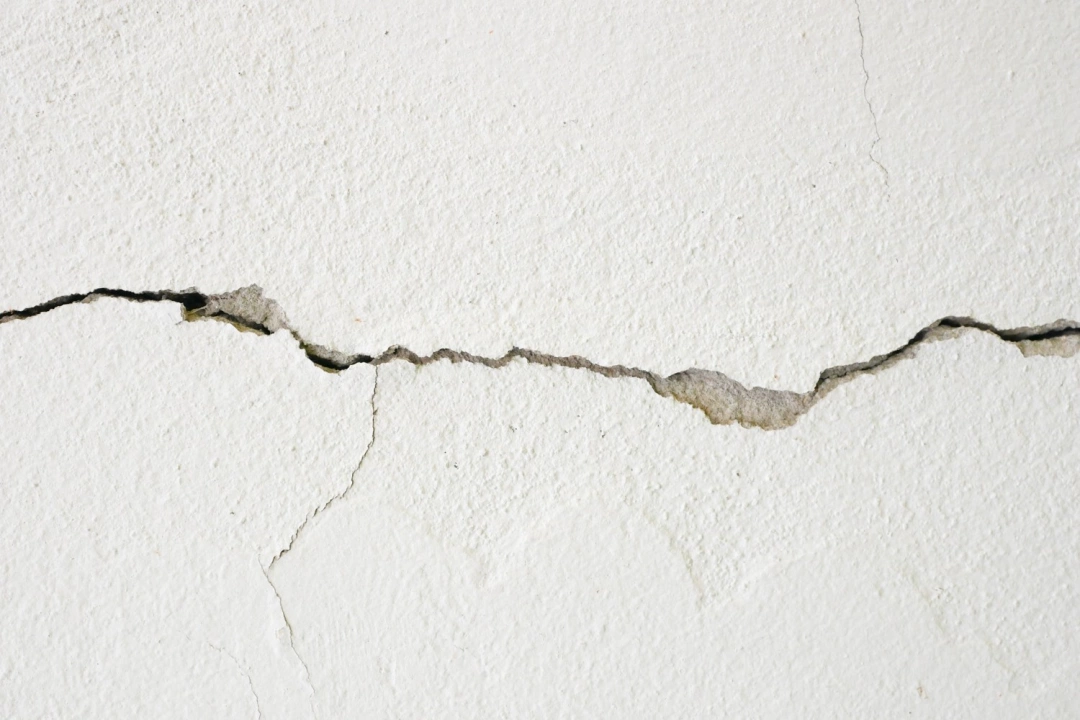
What to Do When Your Plaster Walls Start Cracking
Cracks in plaster walls can be worrying, especially when they suddenly appear or seem to be getting worse. Whether the cracks are small hairline marks or larger and more visible ones, they can spoil the look of your home and leave you unsure of what to do next.
Knowing how to respond is important. Not all cracks are a sign of serious problems, but some might point to issues that need fixing straight away. Understanding the cause of the cracking is the first step to finding the right plastering repair solution.
This article will explain what causes cracks in plaster walls, when to worry about them, what might happen if they are ignored, and the best ways to deal with them. With the right approach, you can protect your walls and keep your home looking tidy.
What Causes Cracks in Plaster Walls to Appear
There are many reasons why plaster walls may start to crack. Some causes are harmless and only affect how the wall looks. Others might be signs of deeper problems that need expert attention. Knowing the difference helps you act properly and prevent further damage.
Natural Movement in Buildings
Buildings often shift slightly over time. This movement can happen because of changes in temperature, moisture or how the house settles into the ground. These natural shifts can lead to small cracks in the plaster, especially around door frames and windows.
Such cracks are usually thin and not a sign of serious damage. They are common in new homes and in areas where the weather changes a lot. Seasonal shifts can cause walls to expand and shrink, making cracks appear and disappear over time.
Water Damage
When water gets into the walls, it can weaken the plaster and make it crack or bubble. Leaky pipes, rising damp or roof leaks are common causes. If you notice dark patches, peeling paint or a musty smell, there might be water behind the cracks.
It is important to fix the water problem before carrying out any plastering repair. Otherwise, the cracks will keep coming back. Exposure to water can also lead to mould or mildew, which may bring health problems and harm the wall surface.
Poor Plastering Work
Cracks can also appear if the plaster was not mixed or applied properly. If it dried too quickly, had the wrong amount of water or was put on over a dirty or damp surface, it might not stick well to the wall.
This can lead to cracks forming not long after the work is finished. In this case, a professional plastering repair may be needed to remove the damaged plaster and apply a fresh layer correctly. Always use a trusted plasterer to avoid this issue.
Structural Movement
Larger cracks that keep growing or are found near ceilings or corners might be due to structural movement. This can be caused by shifting foundations, wall movement or even subsidence. These cracks often look wide or jagged.
If you notice these signs, it is best to get an expert to check the building. Fixing plaster alone will not solve the issue. Left unchecked, these cracks could grow and spread across other parts of the wall.
Need assistance finding plastering repair near you?
Get a QuoteWhen a Crack Is Just Cosmetic and When It’s Not
Not all cracks in plaster are a reason to panic. Some are simply cosmetic and do not affect the safety of your home. These usually appear as thin, straight lines and do not change much over time. You can often fix them easily with basic plastering repair techniques like filling and repainting.
However, if a crack is more than a few millimetres wide, gets longer or deeper, or has uneven edges, it might not be just cosmetic. Cracks that keep returning after repairs or that appear alongside doors or windows sticking could be signs of a more serious problem.
In some cases, the wall may feel hollow or loose when tapped, or you may see sagging or bulging. These signs mean that there might be a problem inside the wall or with the structure of the building. Getting advice from a qualified professional is the safest choice if you are unsure.
Always check how the cracks look, whether they grow over time and if there are other issues nearby. Taking early action can stop things from getting worse and help you avoid costly repairs later on. Spotting warning signs early can protect your home.
What Happens If You Ignore Cracking Plaster for Too Long
Leaving cracks in your plaster walls untreated can lead to more serious problems over time. What starts as a small crack could turn into a much bigger issue if it is not repaired early on. The damage can become harder and more expensive to fix later.
One common issue is that water can get into the cracks, especially in damp rooms like kitchens and bathrooms. This moisture can make the plaster softer and cause it to crumble. It can also lead to mould growth, which can be harmful to your health and hard to remove.
If the cracks are caused by movement in the building, ignoring them can allow the problem to get worse. The structure could become weaker, and more cracks may appear in other parts of the house. In some cases, this might even affect your safety or lower the value of your property.
Also, cracked plaster can spoil the look of your home. It can make rooms feel neglected or unfinished, which can be frustrating and affect how you feel about your living space. It might also make it harder to sell the property if buyers notice signs of damage.
By acting early and using the right plastering repair method, you can avoid all these problems and keep your home looking clean and safe. It is always better to repair small cracks before they become a bigger concern that takes more time and money to fix.
How to Deal With Cracked Plaster the Right Way
Fixing cracked plaster properly depends on what caused the problem and how serious it is. While some small cracks can be repaired at home, others may need help from an expert. Here are some good ways to approach plastering repair the right way.
Check the Crack and Find the Cause
Start by looking closely at the crack. Is it wide or narrow? Has it changed shape or size? Are there any signs of damp or movement nearby? Understanding why the crack appeared will help you decide what type of repair is needed.
If you are not sure what caused the crack, it is better to ask a professional before doing any work. This can save time and money in the long run. Sometimes a visit from a specialist can prevent major repair jobs later.
Use the Right Materials for the Job
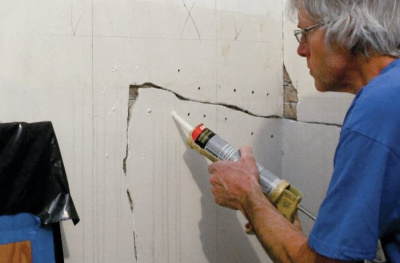
Once you know the cause, choose the correct materials. For small cracks, a simple filler or patching plaster may work well. Clean the area first, apply the filler smoothly and then sand it down before painting over it.
For larger or repeating cracks, you might need to use a mesh tape to strengthen the wall. In some cases, you may need to remove the damaged plaster and reapply a fresh layer. Using quality tools and materials will help the repair last longer. Skipping steps might lead to repeated problems.
Know When to Call a Professional
If the cracks are large, growing or linked to structural problems, it is best to hire a skilled plasterer or builder. They can find and fix the real problem, not just cover it up. This is especially important if you see signs of water damage, sagging or gaps in the walls.
A good plastering repair expert will not only fix the crack but also stop it from coming back. They will use the right methods and materials to make your walls look smooth and strong again. Professionals have the tools and know what to look for, so the job is done properly.
In this article: