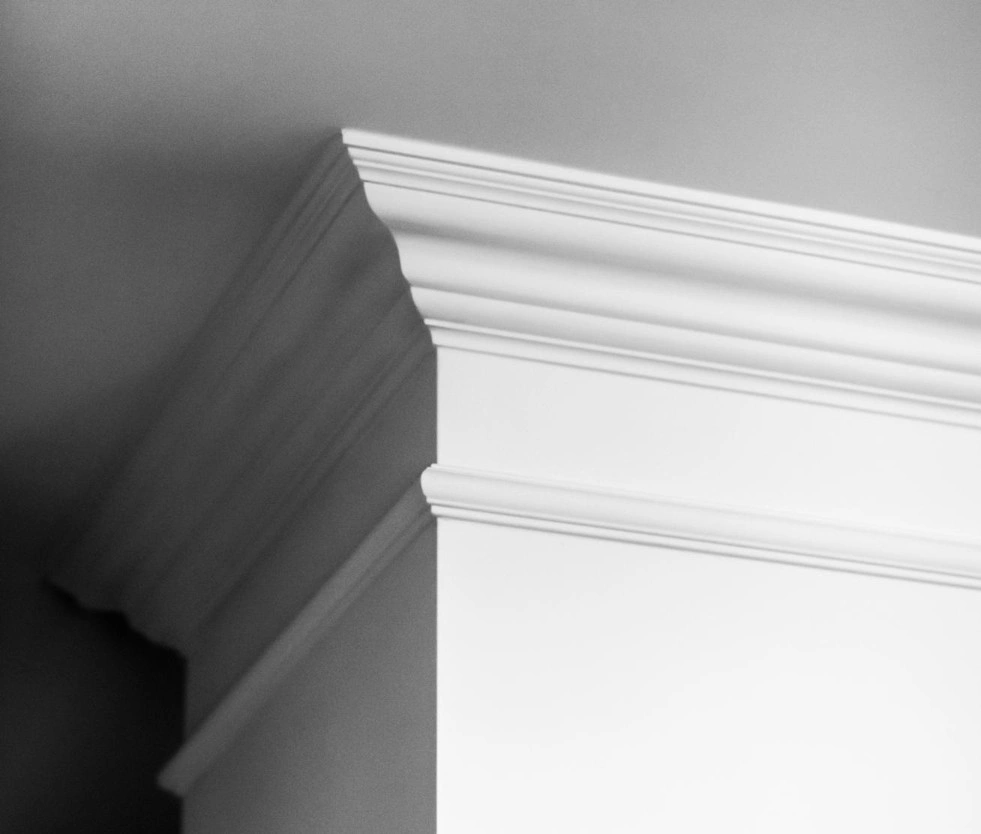
How to Maintain and Care for Cornices and Mouldings
Coving, cornices and mouldings frame a room and give it a finished look. They cover the join where walls meet ceilings, soften hard lines, and add character. When looked after, these features can lift the whole feel of a property and make repainting or redecorating look more polished. Yet they also collect dust, face knocks, and react to changes in the home. A simple care routine keeps them looking sharp.
This guide explains the basics in clear steps. You will learn how to spot problems early and how to clean gently without harming detail. We also cover simple repairs most homeowners can manage, plus tips on repainting so the finish lasts. You do not need special tools for most tasks, just patience and the right method. With a little knowledge, your coving, cornices and mouldings can stay neat for many years.
There are many materials in use today. Some cornices are made from traditional plaster, others from timber, MDF, polyurethane or polystyrene. Each type behaves in a slightly different way. Plaster is strong but can crack if the house moves. Timber can swell with moisture, while lightweight polymers are easy to fit but need careful painting. The advice below suits all and notes the small differences when they matter.
Before you start, think about safety. Work at height only with a stable ladder or platform. Wear eye protection when sanding and a mask when dealing with dust. Keep rooms well aired if you are using cleaners or paint. Good preparation makes the job easier and safer.
Common Issues That Affect Cornices and Mouldings
Cornices sit high up, so faults can go unnoticed. A short check every season is a useful habit. Look along the line where the ceiling meets the wall and use a torch to cast light sideways. This reveals raised edges, gaps, and ripples. Catching changes early keeps work simple and costs low.
Cracks, Gaps and Movement
Fine hairline cracks appear when buildings move with heat and moisture. They also form where two materials meet, such as plaster and timber. Small gaps can open between the wall and the mouldings, especially near windows and doors. On their own, these do not mean a serious problem, but they spoil the look. If the gap is wide or keeps returning after repair, check for loose fixings or signs of movement and seek advice.
Water Stains and Damp
Water is the main enemy of decorative detail. A slow leak above a ceiling can stain or soften plaster. Timber may swell, twist, or split. Paint can bubble, and joints can fail. Look for tea-coloured marks, soft patches, or a musty smell. Fix the source first, then allow the area to dry before repair. Often a stain block primer and fresh paint will restore the surface. Where plaster has blown or crumbled, cut out the damaged part and refit a matching piece.
Surface Wear, Dirt and Paint Failure
Dust settles on the upper edges and builds in fine grooves. In kitchens and near open fires, a film of grease can trap more dirt and cause a yellow tint. Sunlight fades paint, and poor preparation can lead to flaking. Regular light cleaning and timely repainting prevent the need for heavy scrubbing. Choose paints that resist wiping if the room sees a lot of use.

Need assistance finding coving, cornice and mouldings near you?
Get a QuoteCleaning and Regular Upkeep
Routine cleaning keeps coving, cornices and mouldings crisp and bright. Start dry and gentle. Use a soft brush, a microfibre cloth, or a vacuum with a soft dusting head. Work along the length in smooth strokes to lift loose dust from beads and leaves. Take your time at inside corners where fluff gathers. This monthly pass takes minutes and avoids grime taking hold.
For a deeper clean, use mild soapy water. Dip a cloth, wring it almost dry, then wipe a small section and follow with a second cloth to dry. On painted plaster or polymers, avoid soaking which can soften the surface. On timber, stick to a damp wipe and dry at once. Where grease is present, a tiny drop of washing-up liquid helps. Never use scouring pads or strong solvents. They scratch and can strip the finish. If you meet a stubborn patch, lay a damp cloth over it for a few minutes, then lift gently.
Check the finish as you clean. Look for flaking, pinholes, or dull patches. Touch up small chips with matching paint after a quick sand to smooth edges. For bare plaster, seal with a mist coat before repainting. If you have ornate profiles, use a small artist brush to reach into the detail. Keep the room aired while everything dries. A steady routine like this keeps features fresh without heavy work. In homes with high ceilings, a pole with a soft head makes the task safe and simple.
Repairing and Repainting Cornices
Not every flaw needs a complete refit. Many small issues are easy to repair with basic materials. For hairline cracks, use flexible decorator’s caulk. Cut the nozzle fine, run a small bead, and smooth with a damp finger or tool. Wipe away any excess, then paint when dry. For slightly larger cracks or dents, a ready-mixed lightweight filler is ideal. Apply in thin layers, letting each one dry before sanding back with a fine paper. Aim to match the original profile by using the edge of a flexible filling knife to shape the curve.
Where a gap shows between the wall and the mouldings, check first that the mouldings are still fixed firmly. If they have loosened, refix with suitable grab adhesive or screws, using a countersink and filler to hide the heads. For plaster cornices that have chipped, press a gypsum-based filler into the break and tool it to shape. Take a photo of an undamaged section as a guide for the profile. If a whole length has sagged or broken away, it is best to call a specialist who can run a matching length and blend the joins.
When repainting, preparation is the key to a long-lasting finish. Wash down to remove dirt and grease. Scrape loose paint and sand to a smooth edge. Spot prime bare areas with a suitable primer. For plaster and polymers, an acrylic primer works well. For timber, choose a wood primer that blocks stains. Apply two thin coats of quality paint rather than one thick coat. Satin or eggshell highlight detail without too much shine, while matt gives a softer line. Cut in carefully along ceilings and walls for a neat edge. Allow each coat to dry before the next.
Preventative Steps to Keep Cornices in Good Condition
Prevention saves time and money. A few simple habits will protect coving, cornices and mouldings from most harm. The aim is to control moisture, limit knocks, and plan gentle upkeep.
Control Moisture and Temperature
Keep rooms well ventilated, especially kitchens and bathrooms. Use extractor fans when cooking or bathing. In winter, steady background heat helps reduce movement that causes cracks. Fix leaks at once and dry the area fully. In older homes, a small dehumidifier can prevent damp in corners where air is still.
Plan Gentle Use and Protection
Take care when moving furniture or using ladders near mouldings. A strip of cardboard taped to the top of a ladder can act as a soft bumper against the ceiling line. When redecorating, mask edges and work with clean tools to avoid scoring the surface. Teach children not to hang items from coving, and avoid using it as a ledge.
Set a Simple Maintenance Calendar
Make care part of your routine. Dust monthly, inspect at the change of each season, and plan repainting every few years or when the finish looks tired. Keep a small kit ready with cloths, filler, caulk, fine paper, primer and matching paint. Record what you used and the colour names so you can touch up with the same products. Consistent, light attention keeps your features smart and avoids large repair jobs later.
In this article: